I believe most hams have the same question as I did. Does it pay to spend a lot of money on a high quality microphone? This question bugged me for quite some time so I decided to do something about it. I came up with the idea of doing a blind mic test with several different mics on the air. I used the following mics in the test (with their approximate retail value):
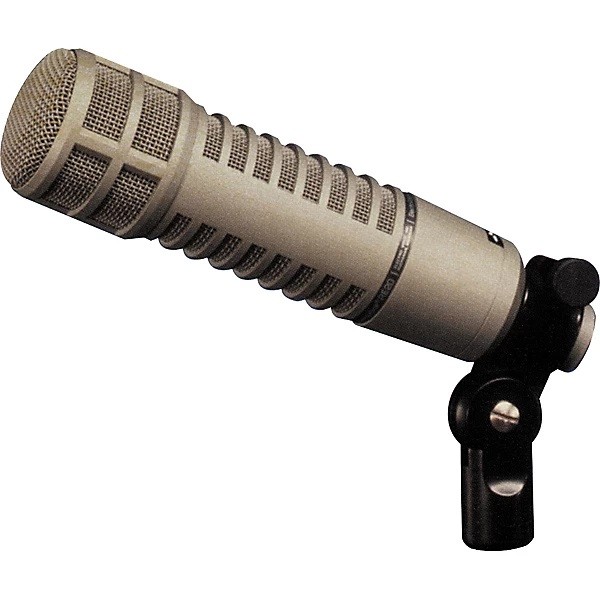
1 – Electro Voice RE-320 Broadcast Mic ($300.00)
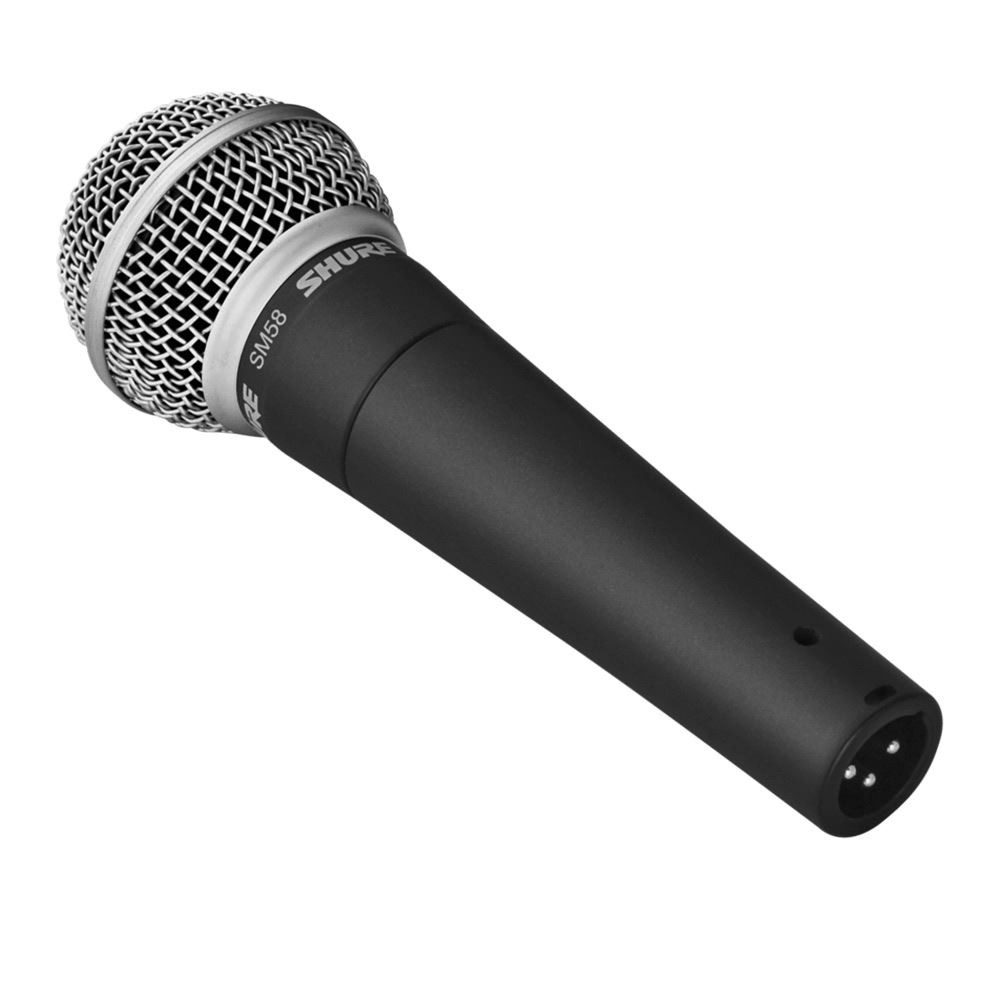
2 – Shure SM58 Vocal Mic ($100.00)
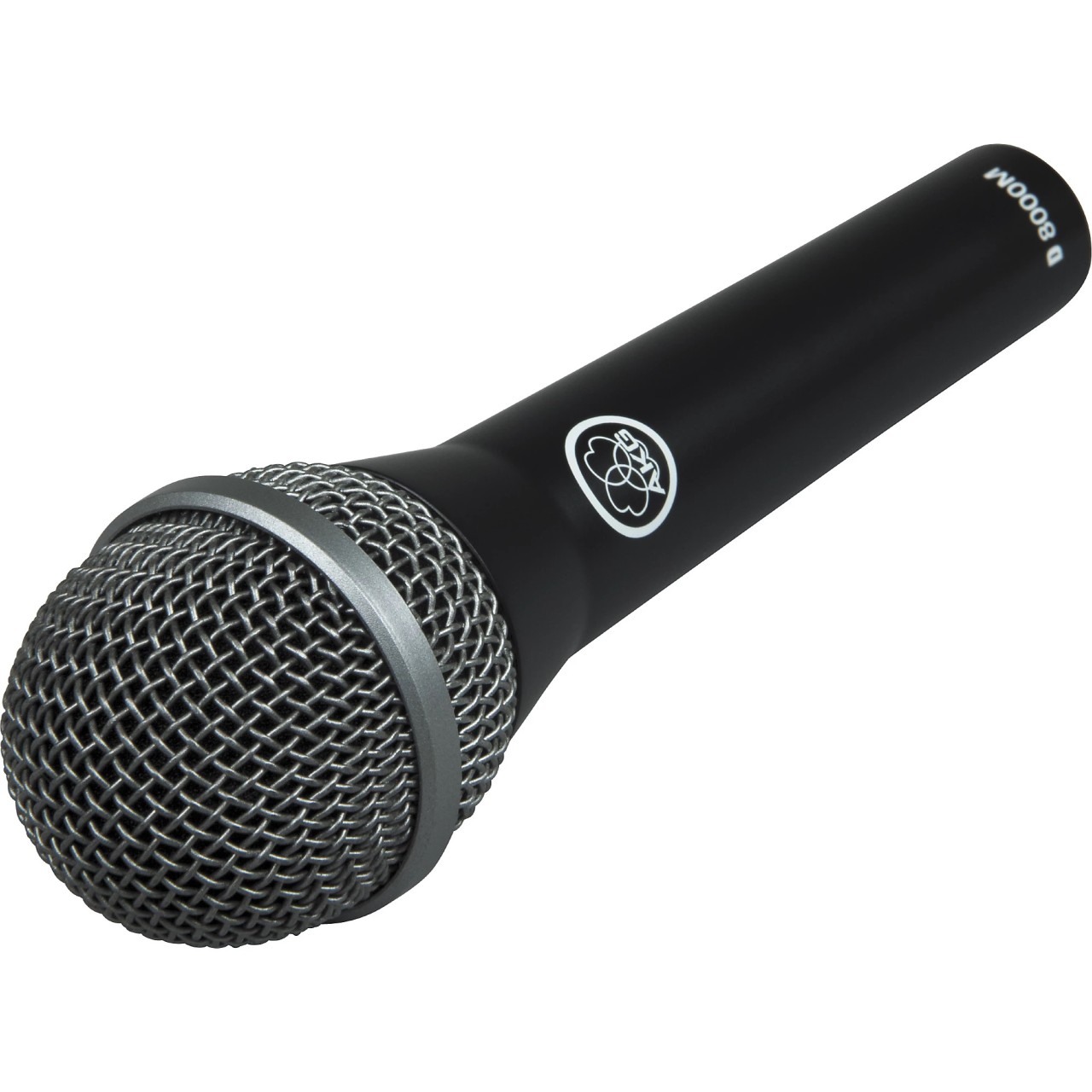
3 – AKG D8000M Vocal Mic ($50.00)
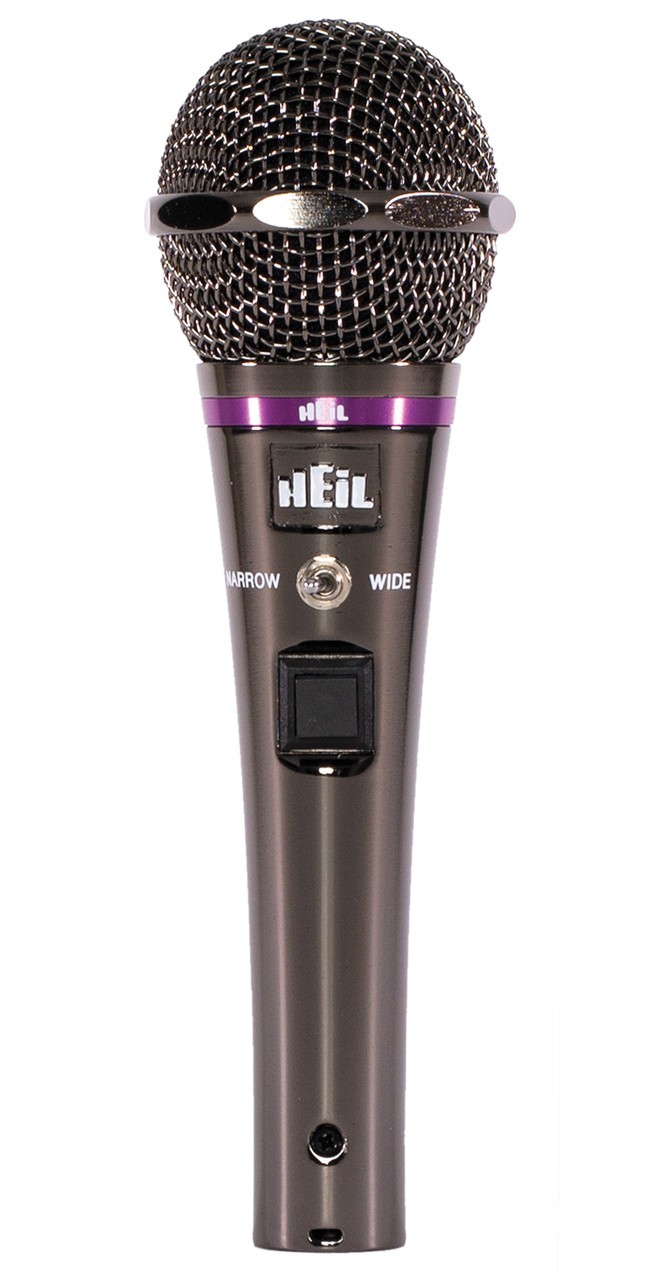
4 – Heil HM10XD Communications Mic ($140.00)
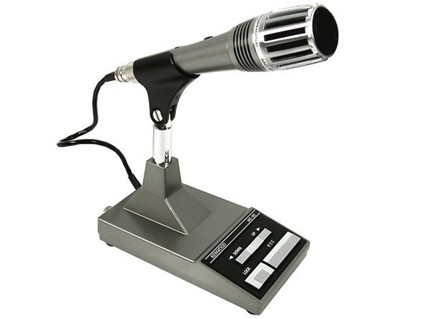
5 – Kenwood MC60A Communications Mic ($160.00)
Starting with the most expensive mic, the Electro Voice, this mic is designed for broadcast applications. It is a less expensive version of the RE-20, which is probably the most popular mic used in broadcast radio stations and podcasts. The RE-320 has the “Dual Personality” EQ switch which can be set to flat or kick drum. When the EQ is set to the kick drum position, the bass begins to roll off at around 800 Hz. The overall frequency response is 30 – 18,000 Hz in the kick drum mode and 45 – 18,000 Hz in the standard mode.
The second mic used in the test was the Shure SM58. This mic is arguably the most popular vocal mic on the market. The Shure mic is famous for three basic attributes, quality, consistency, and durability. It is popular with music groups as well as many performing artists that need a handheld mic. The overall frequency response of this mic is 50 – 15,000 Hz.
The third mic in the challenge is an inexpensive vocal mic by AKG, the D8000M. This mic shows great specs for the money with an overall frequency response of 40 – 20,000 Hz. I have used this mic for recording live music and it did a great job. I found it to be impressive for the money.
The fourth mic used in this comparison was the Heil HM10XD. This mic is specifically built for ham radio. This mic includes two elements. The HC-5X is used when the two position switch is set to the wide mode. The HC-4X is used for the narrow mode. When the mic is in the narrow mode, it has a +10 dB rise at 2,500 Hz which Heil claims will help punch through the pile ups. In the wide mode, the rise at 2,500 Hz is +6 dB which Heil says makes rag chewing more pleasing. The overall frequency response in the wide range is 300 – 8,000 Hz and 600 – 6,000 Hz in the narrow range.
The fifth and final mic in the test was the Kenwood MC60A. Although this mic has a switchable preamp, the entire test was done with the preamp on and low impedance. The overall frequency response of the Kenwood using the attributes as mentioned is 200 – 7,000 Hz.
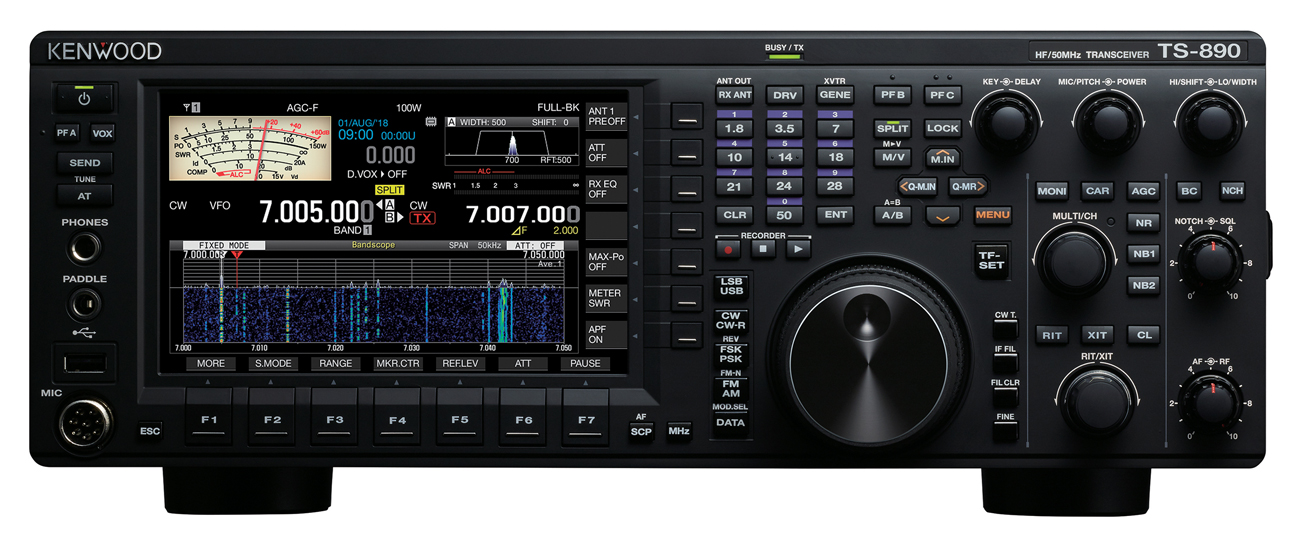
Several hams helped me with this project. I would like to thank Benett, AC2NI, John, N2HMM, Rich, KD2WJR, and Bob W2FKG. All of the tests were conducted in the HF bands including 80, 40 and 10 meters. The radio used was my Kenwood TS890S and the built in equalizer was kept flat for the entire test. The only adjustment made was increasing the gain for the Heil mic as it was substantially lower in output than all of the other mics.
Here is some of the feedback I received:
Electro Voice RE-320
- Sounds fuller with EQ off
- May not be good for DX
- Sounds fuller than the other mics
- Lows are stronger than highs
- Lower mid and high end
- Mids increased when EQ is on
- Sounds more like my voice in real life with EQ on
Shure SM58
- The EV was more broadcast quality
- The Shure sounded better for communication
- Sounds like the RE-320 with the EQ on
- Feels brighter, just sounds better overall
AKG D8000M
- Identical comments of the Shure SM58
- Sound like the RE-320 with EQ off but more bass
- Hard to tell the difference compared to the SM58
Heil HM10XD Wide Mode
- Sound tinny
- Much lower output than the others
- Not a full sound
- May be good for DX
- Punchy on high end
- Harsh, no lows, very tinny
- Very low gain
Heil HM10XD Narrow Mode
- Lower level than wide
- Less bass
- Audio sound pinched
- All highs, no lows, very tinny
- Very low gain
Kenwood MC60A
- Well rounded sound
- Full sound
- Pleasant to listen to
- Sounds a bit like it is in a cave
After listening to all the comments, it left me wondering, does it pay to buy an expensive mic? I am not sure it does. I tend to think you can make enough adjustments to the mic using the radio’s (or external) EQ. You be the judge. Here are some sound bits of the mics tested.
Electro Voice RE-320 EQ Off
Electro Voice RE-320 EQ On
Electro Voice RE-320 EQ Off Then On
Shure SM58
AKG D8000M
Heil HM10XD Wide
Heil HM10XD Narrow
Kenwood MC60A
After listening, please add your comments below.