Category: WEARC Blog

  • Our New Site is Live!

    We have migrated our site to a new host and new publishing platform. We are in the process of validating the content and features. If you have any issues with the site, check back soon and we will likely have it corrected.

  • 2025 Holiday Gathering and 10-meter Contest

    2025 Holiday Gathering and 10-meter Contest

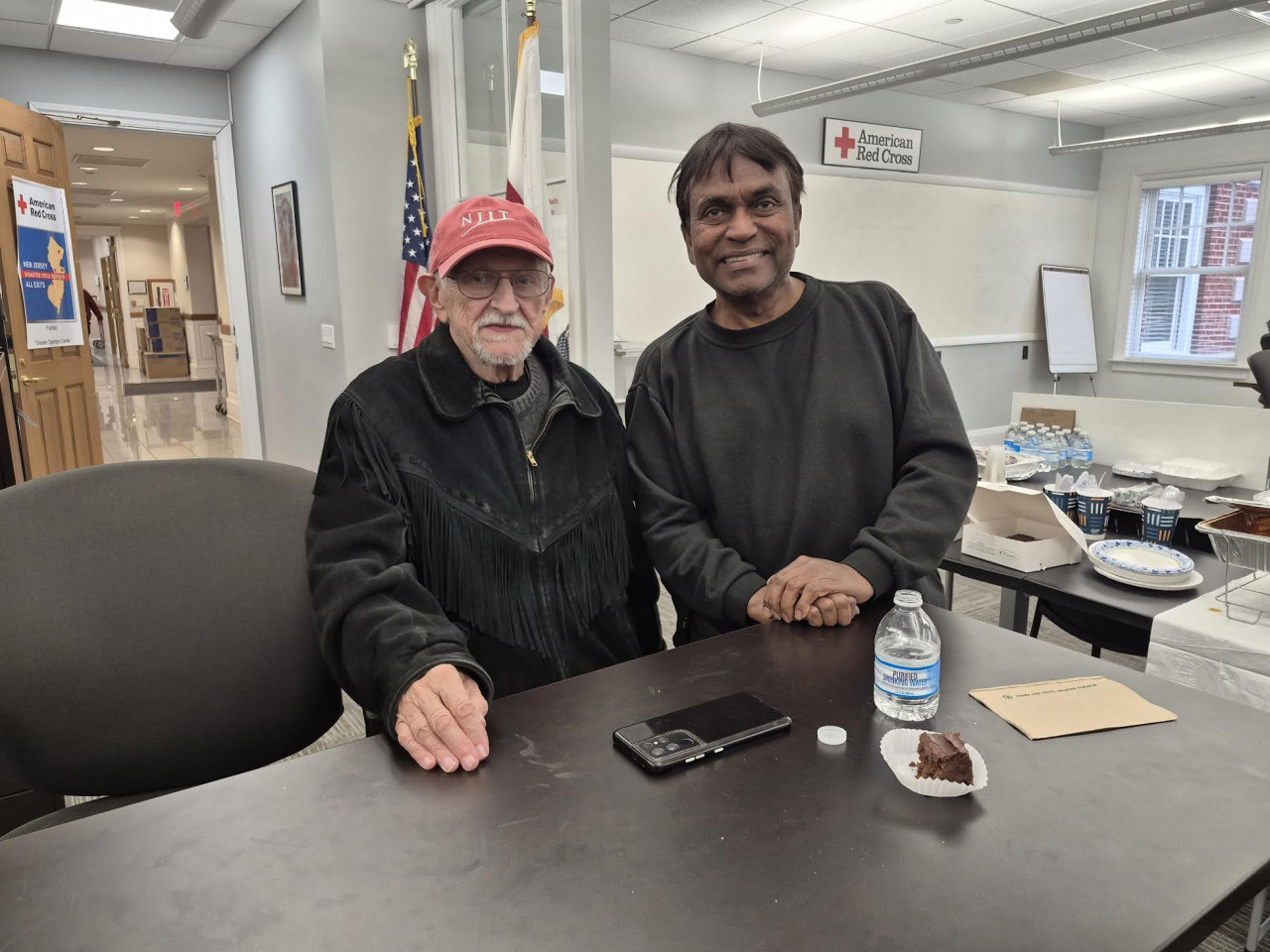
    WEARC wrapped up the year with a hybrid event that combined good food, great company, and on-the-air operating. On Saturday, December 13th, members gathered at the American Red Cross building in Fairfield, New Jersey from 10 AM to 2 PM for an end-of-year holiday party alongside a 10 meter contest operation.

    Prep work: getting 10 meters ready

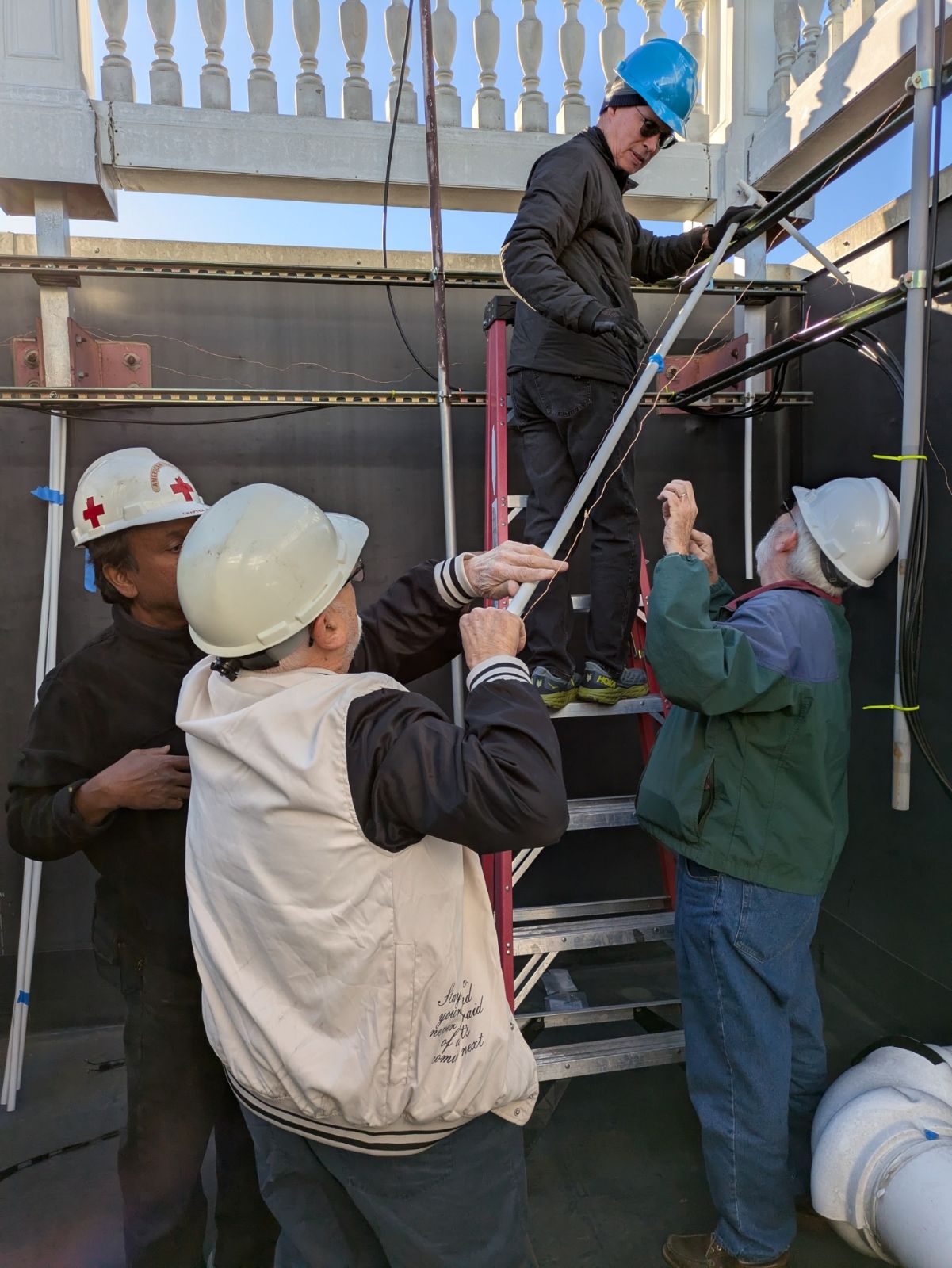
    Prior to the event, a team of WEARC members handled the behind-the-scenes work that makes everything else run smoothly. They mounted a 10 meter antenna on the roof, verified the feedline in the building riser, and checked antenna performance at the roof location. They also matched those readings to what was seen in the radio room, confirming the feedline and connectors were solid end-to-end.

    Social + operating, side by side

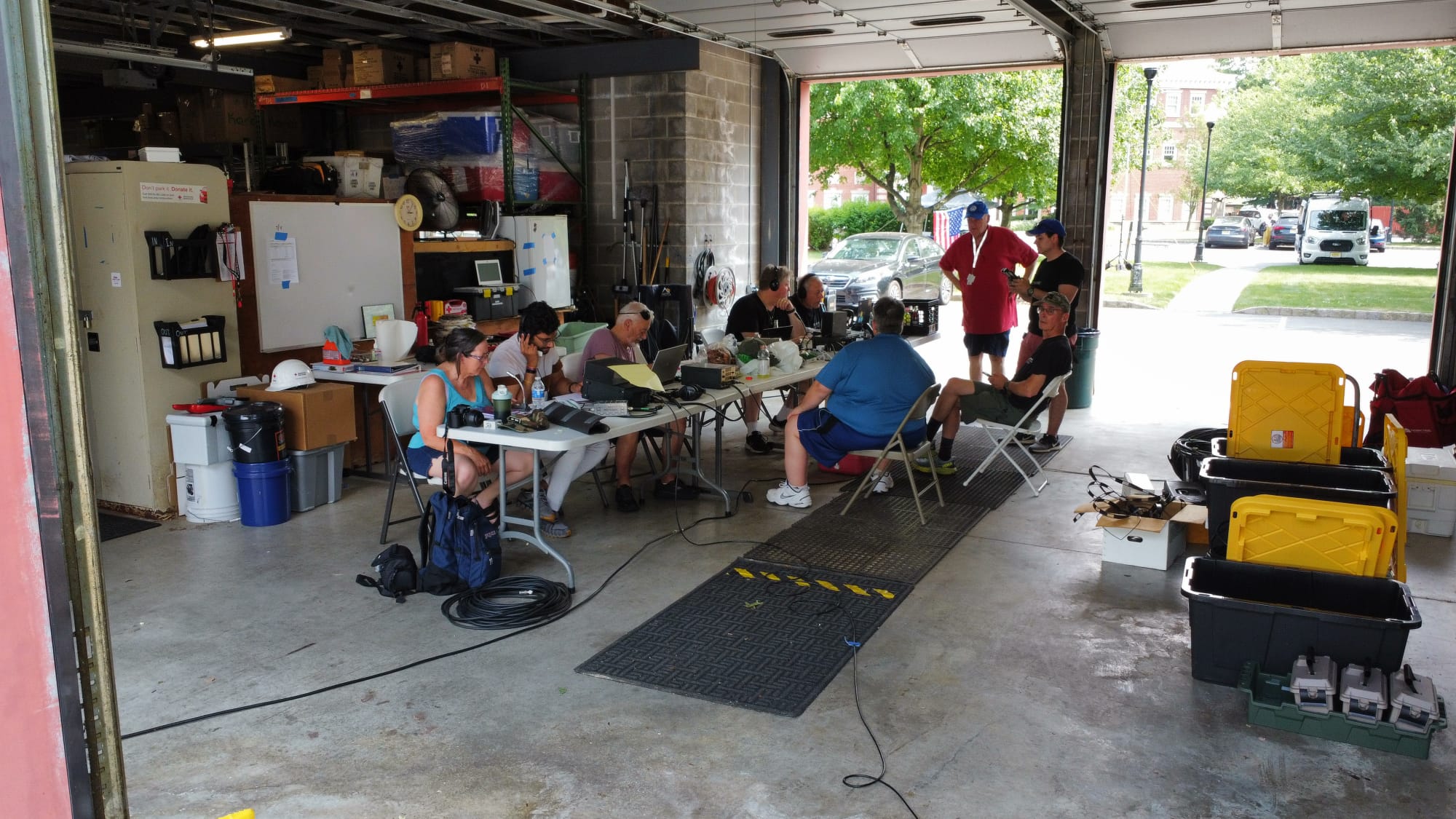
    During the event, people naturally rotated between socializing and operating the 10 meter contest station. Contacts were made on both voice (SSB) and CW, and everyone had a chance to jump in, learn, and contribute.

    Lunch

    Lunch was delivered around noon and was a hit. Highlights included antipasto salad and hot roast beef with mushroom gravy, plus plenty of rolls and desserts to keep the operators fueled.

    Guests and future members

    Several guests attended, asked great questions, and showed genuine interest in becoming new WEARC members. It was a nice reminder that a welcoming, hands-on operating environment is one of the best ways to introduce people to the club.

    A format worth repeating

    Attendance was strong, and the post-event feedback was very positive. This kind of operating, socializing, and lunch gathering worked well for both members and visitors, and it’s a format WEARC will likely consider again in the future.

  • Join Us for an Online VE Session – Monday, January 5th

    Join Us for an Online VE Session – Monday, January 5th

    Are you ready to take the next step in your amateur radio journey? Whether you’re looking to earn your first license or upgrade to the next level, the West Essex Amateur Radio Club (WEARC) has you covered!

    We’re excited to announce an upcoming online VE session on Monday, January 5th, at 7:30 PM. This is a great opportunity to take your Technician, General, or Extra ham radio exam from the comfort of your own home.

    The session is open to everyone, regardless of experience level, and all three classes of exams will be offered. If you’ve been studying and feel ready to take the ham radio test, we encourage you to sign up and join us for a smooth, well-organized online session.

    How to Register

    To sign up, simply follow this registration link to secure your spot. Registration is easy, and you’ll receive all the details you need for the session after signing up.

    Why Choose an Online VE Session?

    Our online sessions provide flexibility, allowing you to focus on your test without the need to travel. With experienced volunteer examiners from WEARC guiding you through the process, you can expect a supportive and professional environment.

    Whether you’re a beginner or a seasoned ham looking to advance your knowledge, this is your chance to take your skills to the next level.

    Don’t miss out—register today and get ready to unlock new radio privileges! If you have any questions, feel free to reach out to us. See you on January 5th!

  • Visit & Operate our FT8 Station at Field Day 2025

    Visit & Operate our FT8 Station at Field Day 2025

    Exploring FT8: A Modern Digital Mode for Field Day

    As Field Day approaches, the West Essex Amateur Radio Club (WEARC) is getting ready for one of amateur radio’s most exciting weekends. If you’re curious about the hobby—or already active and looking to try something new—this is a great time to explore one of the fastest-growing modes in use today: FT8.

    This year, on June 28th and 29th, WEARC will have an FT8 station live and operating as part of our Field Day setup at the Fairfield, NJ American Red Cross facility. We invite anyone with an interest in radio—whether licensed or just curious—to stop by. You’ll have the opportunity to watch FT8 in action, get hands-on experience with the software and equipment, and learn from operators who are happy to walk you through the basics. If you’ve never worked digital before, this is your chance to see what it’s all about and even make your first FT8 contact.

    Field Day, held each year on the fourth full weekend of June, is a coordinated operating event where thousands of amateur radio operators across the United States and Canada set up portable stations, often in parks, fields, or other public spaces. It’s part emergency preparedness drill, part public outreach, and part contest. Stations work as many other stations as possible during a 24-hour period, logging contacts across different bands and modes. Voice and Morse code are longtime staples, but digital modes like FT8 have surged in popularity over the last several years.

    FT8, short for “Franke-Taylor design, 8-FSK modulation,” was introduced in 2017 by Joe Taylor (K1JT) and Steve Franke (K9AN). It uses an extremely narrow bandwidth—just 50 Hz—and a series of timed 15-second transmissions to make rapid, reliable contacts, even when signals are weak or noisy. The mode is built for efficiency, not conversation; each exchange includes only the essential data: callsigns, grid locator, and signal report. Yet this simplicity is what makes it such a powerful tool, particularly under poor propagation conditions.

    You don’t need the latest equipment to get on the air with FT8. Any HF transceiver capable of SSB will work, including older models. Most modern radios, like the ICOM IC-7300 or Yaesu FT-991A, have built-in USB audio interfaces that make setup straightforward. For radios without that feature, an external interface—such as the Tigertronics SignalLink or Digirig Mobile—will connect your rig to your computer. You’ll also need free software like WSJT-X, and your computer clock must be precisely synchronized to within a second—something easily handled using network time protocol (NTP) or GPS-based tools. Once configured, you can start making digital contacts with stations around the world.

    Since its debut, FT8 has seen explosive growth in the amateur radio community. In 2017, it made up a tiny slice of digital QSOs. But by 2020, FT8 had become the most-used mode in the world, accounting for over half of all logged amateur contacts. That growth has only continued, with 35 to 40 million FT8 QSOs per year according to Club Log estimates. It’s not just popular—it’s dominant, particularly among operators in compromised environments with limited antennas or power.

    FT8 also provides a scoring advantage on Field Day. Voice contacts (e.g., SSB) are worth one point each, while digital contacts—including FT8—earn two points apiece. That’s a compelling reason for clubs and individual operators alike to consider adding digital capability to their Field Day operations.

    Visit https://www.wearc.org/news-blog for additional Field Day details. We look forward to seeing you there! 

  • 2025 ARRL Field Day at the American Red Cross

    2025 ARRL Field Day at the American Red Cross

    Saturday June 28 & Sunday June 29, 2025

    Location:

    209 Fairfield Rd
    Fairfield, NJ 07004

    The West Essex Amateur Radio Club (WEARC) along with Arc² and the American Red Cross will participate in the annual ARRL Field Day event. The event takes place over 24 hours and starting at 2pm on Saturday June 28 running through Sunday June 29 at 2pm. 

    ARRL Field Day is the most popular on-the-air event held annually in the US and Canada. On the fourth weekend of June, more than 31,000 radio amateurs gather with their clubs, groups or simply with friends to operate from remote locations. It combines public service, emergency preparedness, community outreach, and technical skills all in a single event. Field Day has been an annual event since 1933, and remains the most popular event in ham radio.

    Come out and visit the American Red Cross for this event and learn how we prepare for emergencies and plan to assist the public when other lines of communication fail. 

  • WEARC Members Complete HF Antenna Testing at Fairfield Red Cross

    WEARC Members Complete HF Antenna Testing at Fairfield Red Cross

    Amid Chilly Skies, WEARC Brings Club Station Back to Life

    Fairfield, NJ — On a crisp, sunny morning in late November, four members of the West Essex Amateur Radio Club (WEARC) gathered at the American Red Cross building in Fairfield, New Jersey, with one mission: to restore their club station, W2EF, to full operational status. Armed with tools, determination, and decades of combined experience, the team tackled a series of challenges that culminated in a triumphant return to the airwaves.

    Bill, Jerry, Mike, and Hector convened at 10 a.m. under cold but clear skies, prepared for a day of repairs and testing. The first hurdle involved a malfunctioning antenna that required precision soldering—a task made more difficult by the biting chill. The team procured a new 260-watt soldering gun, which proved to be a crucial investment. Despite the challenging conditions, the tool performed exceptionally well, enabling the team to carry out the repair with ease.

    Attention then turned to the coaxial feedline, the vital conduit that transmits signals between the radio and the antenna. Hector and Mike worked methodically, troubleshooting the lines and ultimately replacing the problematic Coax #7 with Coax #9. Using their individual NanoVNAs—compact and powerful vector network analyzers—they conducted detailed plots of the antenna, with Hector stationed on the roof and Mike in the radio room. The two coordinated their efforts via simplex communication, demonstrating the synergy that has become a hallmark of the club’s projects.

    With the feedline issue resolved, the team connected the antenna to their flagship transceiver, the Icom IC-756PROII. The results were immediate and gratifying: clear, robust signals on the 10-meter band. Operating in SSB (single sideband) and FT8 (a digital communication mode), they logged several successful contacts, marking W2EF’s official return to the airwaves.

    A notable observation came from Jerry, who pointed out that the antenna, a T2FD (tilted terminated folded dipole), displayed SWR and impedance characteristics that suggest it could connect directly to the Icom transceiver without the need for an external tuner. While the team opted to use a tuner for the day’s tests, this insight opens the door for further experimentation during their next visit.

    By the end of the day, the team had not only restored the station but also laid the groundwork for future improvements. The revived W2EF station is now ready to serve as a hub for club activities, emergency communications, and ongoing exploration of the amateur radio spectrum.

    “Our goal is always to learn, adapt, and grow,” said Mike, summarizing the day’s achievements. “Today wasn’t just about fixing equipment—it was about teamwork, innovation, and the spirit of amateur radio.”

    As the clock neared 1 p.m., the team wrapped up their work, packed up their gear, and reflected on the morning’s accomplishments. The antenna repair and coaxial replacement marked a significant step forward, while the successful on-air operation confirmed the station’s readiness for future activities. With W2EF back on the air and a clear plan for follow-up testing, the members departed confident that their efforts had ensured the club station remains a reliable asset for amateur radio enthusiasts and community communication needs.


    Jerry WB2GZL, Mike KC2NJ

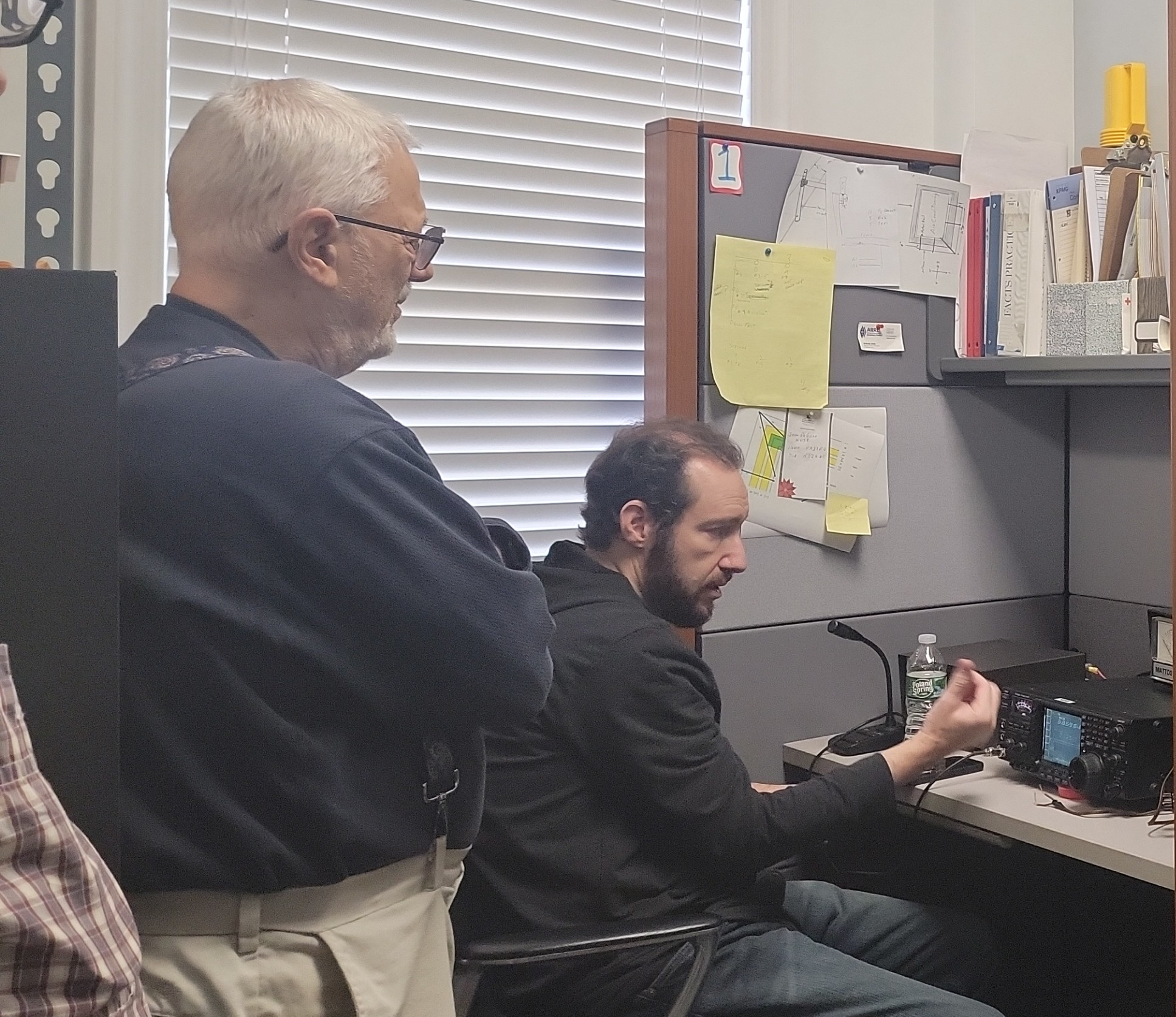
    Jerry & Mike review the performance of the new T2FD antenna with the Icom IC-756PROII


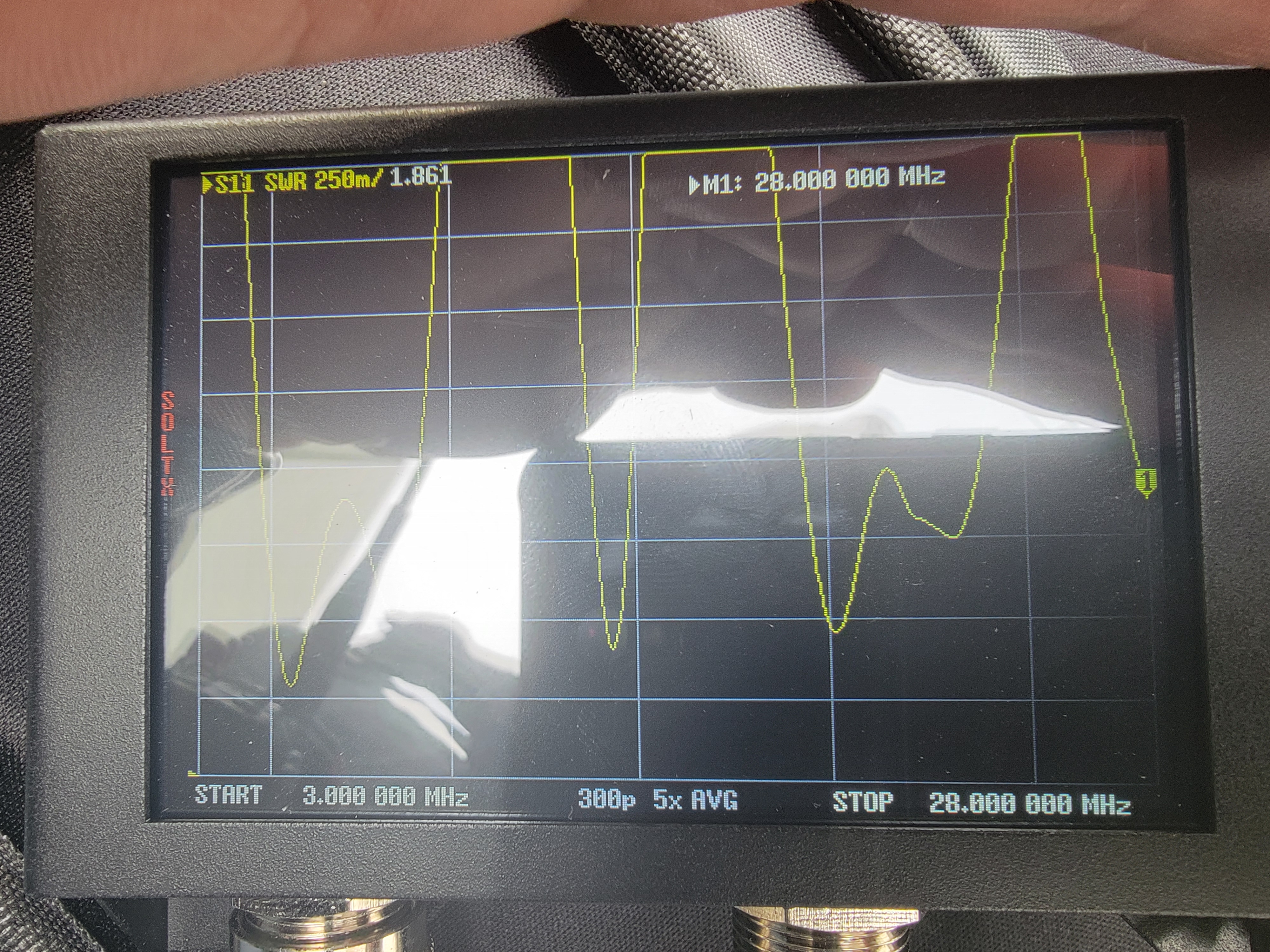
    Vector Network Analyzer

    NanoVNA plot of 3 – 28 MHz taken by Hector after repair of the antenna and feedline.  Plot shows a 1.8:1 SWR on 28 MHz.


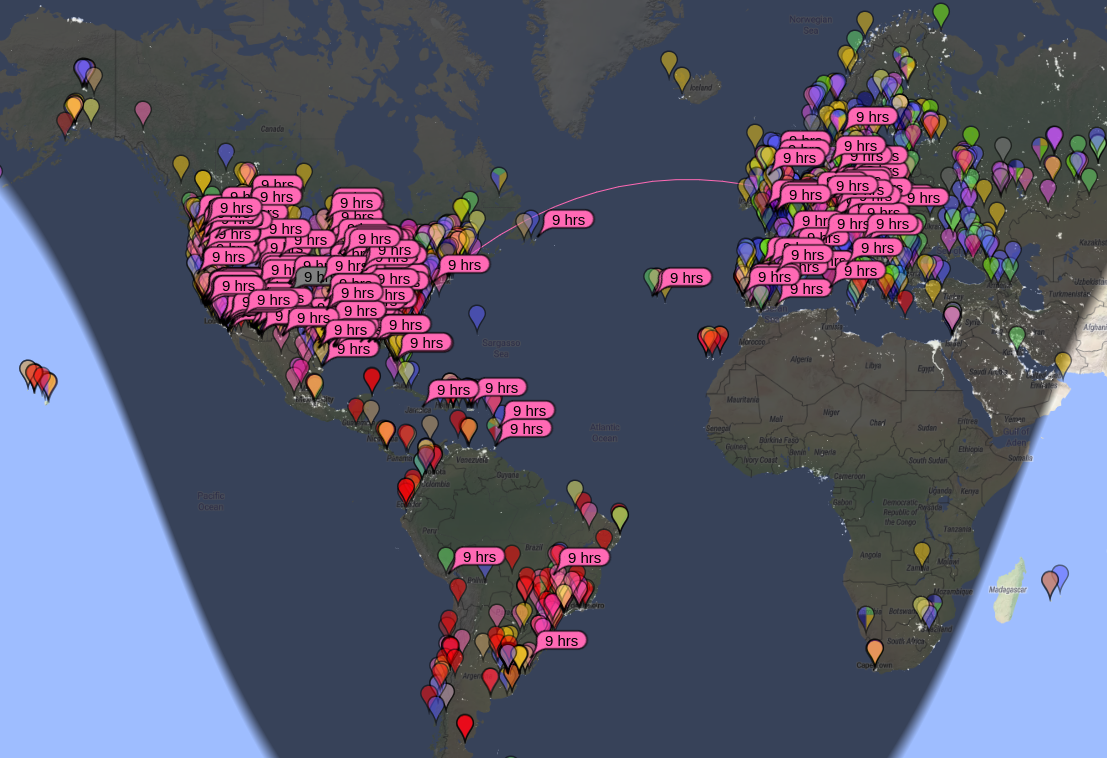
    W2EF on the air!

    W2EF propagation report from PSKReporter website.  10 meter reception reports look good after a 5 minute test run by Hector, KD2WWU.

  • WEARC Members Install HF Antenna at Fairfield Red Cross

    WEARC Members Install HF Antenna at Fairfield Red Cross

    FAIRFIELD, N.J. — November 16, 2024

    Beneath a brilliant November sun at the American Red Cross facility in Fairfield, New Jersey, members of the West Essex Amateur Radio Club (WEARC) gathered in the early afternoon to install a new high-frequency (HF) antenna—a critical tool that promises to enhance communication capabilities at the facility, particularly during emergencies.

    The installation team consisted of a small but enthusiastic group of WEARC volunteers, who worked with precision and camaraderie against the backdrop of an unseasonably warm day. “It’s not often we get this kind of weather in November,” one member remarked. “It’s a perfect day to be up on a roof with an antenna project.”

    The Antenna: A Versatile Wire-Based Solution

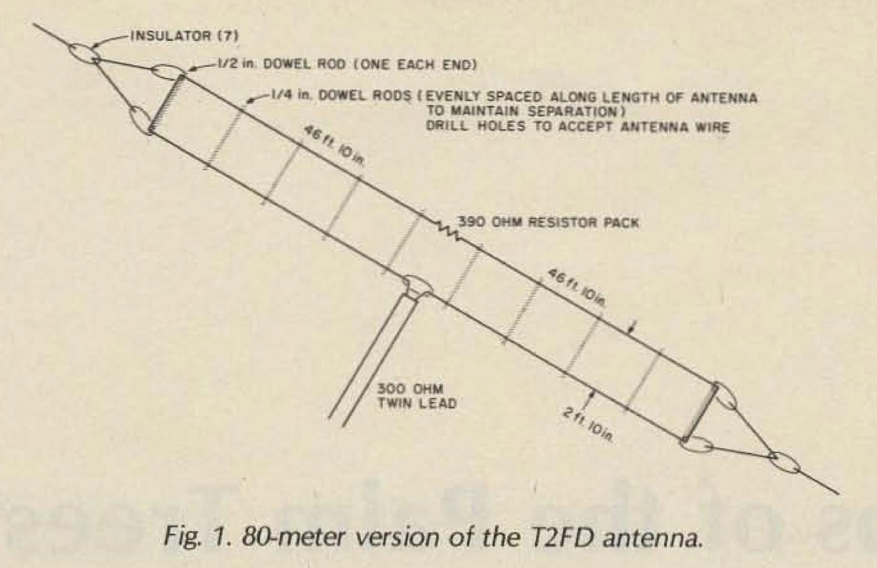
    The chosen antenna, constructed by Jerry WB2GZL, is based on a design published in 73 Magazine from May 1984 called the Tilted Terminated Folded Dipole (T2FD).  It is similar in design to a terminated wide-band folded dipole and is renowned for its versatility and wide frequency coverage. Unlike traditional resonant antennas, the T2FD is a non-resonant antenna, which means it requires the use of an antenna tuner to match impedance and achieve efficient operation. This design allows for multiband operation without significant changes to the antenna itself, making it an appropriate choice for emergency communications where flexibility is paramount

    The T2FD’s design employs a folded dipole configuration, consisting of two parallel conductors joined at each end to create a continuous loop. A distinctive feature of the T2FD is the inclusion of a non-inductive terminating resistor, typically in the 500 Ohm range when the antenna is fed with 450 Ohm ladder line, which absorbs non-radiated energy and prevents signal reflections. This resistor, combined with the broad impedance bandwidth of the folded structure, ensures the antenna can perform sufficiently over a wide range of frequencies.

    Constructed with weather-resistant materials, the T2FD installed at Fairfield spans a significant length, maximizing coverage and signal strength. The antenna’s use of a 450-ohm ladder line feed, paired with a roof-mounted balun and 50-ohm coaxial cable run into the radio shack, provides a low-loss, efficient transition from antenna to radio equipment.

    The evolution of the T2FD antenna, a fascinating innovation in the world of radio communications, has been meticulously chronicled in amateur radio literature over the decades. Its early conceptualization was explored in a June 1949 issue of QST, where its unique attributes and potential applications were first presented to the amateur radio community. This initial discussion prompted subsequent analyses, with follow-up articles appearing in the November 1951 and February 1953 issues of CQ Magazine. Decades later, the enduring relevance of the T2FD was reaffirmed in the pages of 73 Magazine in May 1984, offering a contemporary perspective on its utility and design. These writings collectively highlight the enduring curiosity and ingenuity that have long defined the amateur radio tradition.

    Comparing the T2FD and the Traditional Folded Dipole

    While the T2FD shares structural similarities with the traditional folded dipole, their operational principles and use cases differ significantly.

    Resonance vs. Non-Resonance
    – The traditional folded dipole is a resonant antenna, designed to operate efficiently on specific frequencies without the need for an external tuner. Resonance is achieved by carefully matching the antenna’s physical length to the wavelength of the target frequency, typically resulting in low standing wave ratio (SWR) at the resonant point.
    – The T2FD in contrast, is non-resonant. Its design, featuring a terminating resistor, broadens the operating frequency range but sacrifices resonance. An antenna tuner is required to match the antenna’s impedance to the transceiver’s output, enabling efficient energy transfer.

    Bandwidth
    – The traditional folded dipole provides excellent performance on its resonant frequency and, to a lesser extent, harmonics. However, its usable bandwidth is narrow, often limiting its versatility.
    – The T2FD offers significantly broader bandwidth, supporting efficient operation across multiple HF bands. This makes it highly advantageous for applications where rapid frequency changes are necessary.

    Efficiency
    – The folded dipole is highly efficient within its design frequency range, as nearly all the transmitted energy is radiated.
    – The T2FD sacrifices some efficiency due to the energy absorbed by the terminating resistor. This trade-off is offset by its flexibility in multiband operation, particularly in emergency or general-purpose communication setups.

    Complexity
    – The traditional folded dipole is simpler to install and does not require additional components like a tuner or terminating resistor.
    – The T2FD, while more complex, is a robust solution for scenarios requiring adaptability, as seen in the Fairfield installation.

    Installation Details: From Roof to Shack

    The T2FD antenna is fed with 450-ohm ladder line, known for its minimal signal loss during transmission and reception. The ladder line terminates at a balun (balanced-to-unbalanced transformer) mounted on the roof, matching the impedance to a 50-ohm coaxial cable, which then runs down to the radio room on the first floor. This configuration ensures compatibility with the Red Cross’s vertical coaxial riser while maintaining efficiency.

    Next Steps: Testing and Integration

    The antenna, though installed, has not yet been tested. Testing is scheduled for a future weekend, when WEARC members will evaluate its performance across multiple HF bands. These tests will involve verifying the antenna’s impedance matching, confirming signal radiation patterns, and ensuring compatibility with the Red Cross’s communication protocols. The use of an external antenna tuner will also be validated during these trials.

    Once testing is complete, the antenna will be fully integrated into the Red Cross’s emergency communication system, standing ready to support disaster relief efforts with reliable, global communication. As the new antenna broadcasts its signals across the airwaves, it will carry a message of collaboration, adaptability, and community resilience.

  • WEARC and ARC² Participate in ARRL Field Day

    WEARC and ARC² Participate in ARRL Field Day

    Members of both WEARC and ARC² participated in the annual ARRL Field Day Event on Saturday June 22 and Sunday June 23, 2024. Saturday morning with temperatures quickly soring into the 90’s the members worked on setting up the stations and antenna’s. 

    With time to spare the group was set up and ready to run by the 2pm start time and settled right into making contacts with other clubs and operators working on field day. 

    The numbers have yet to be calculated but we were well over 200 contacts in our operations. 

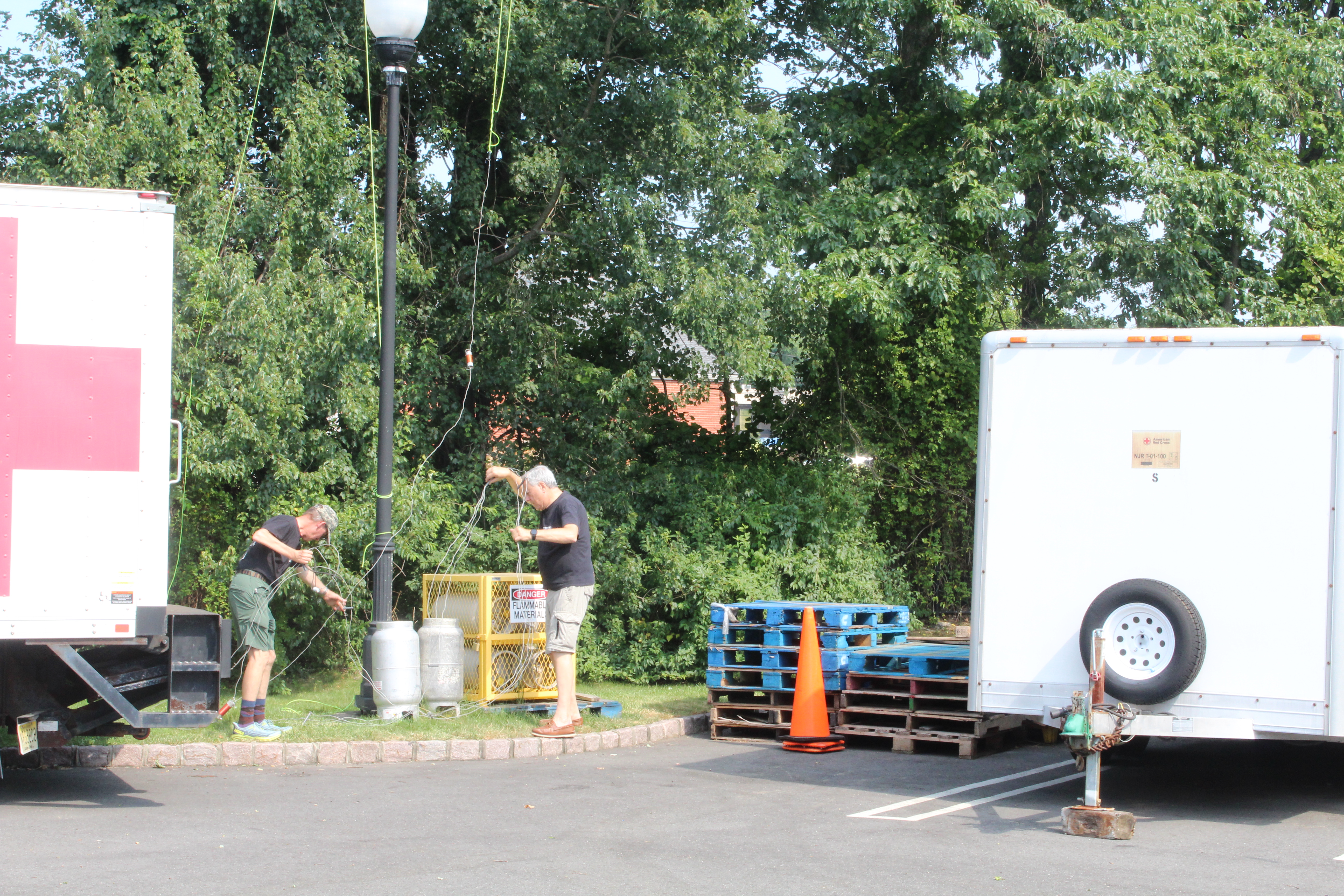
    Antenna Raising

    Getting the antenna’s up is one of the most critical parts of Field Day. Without these there will be no possibility of contacts. 

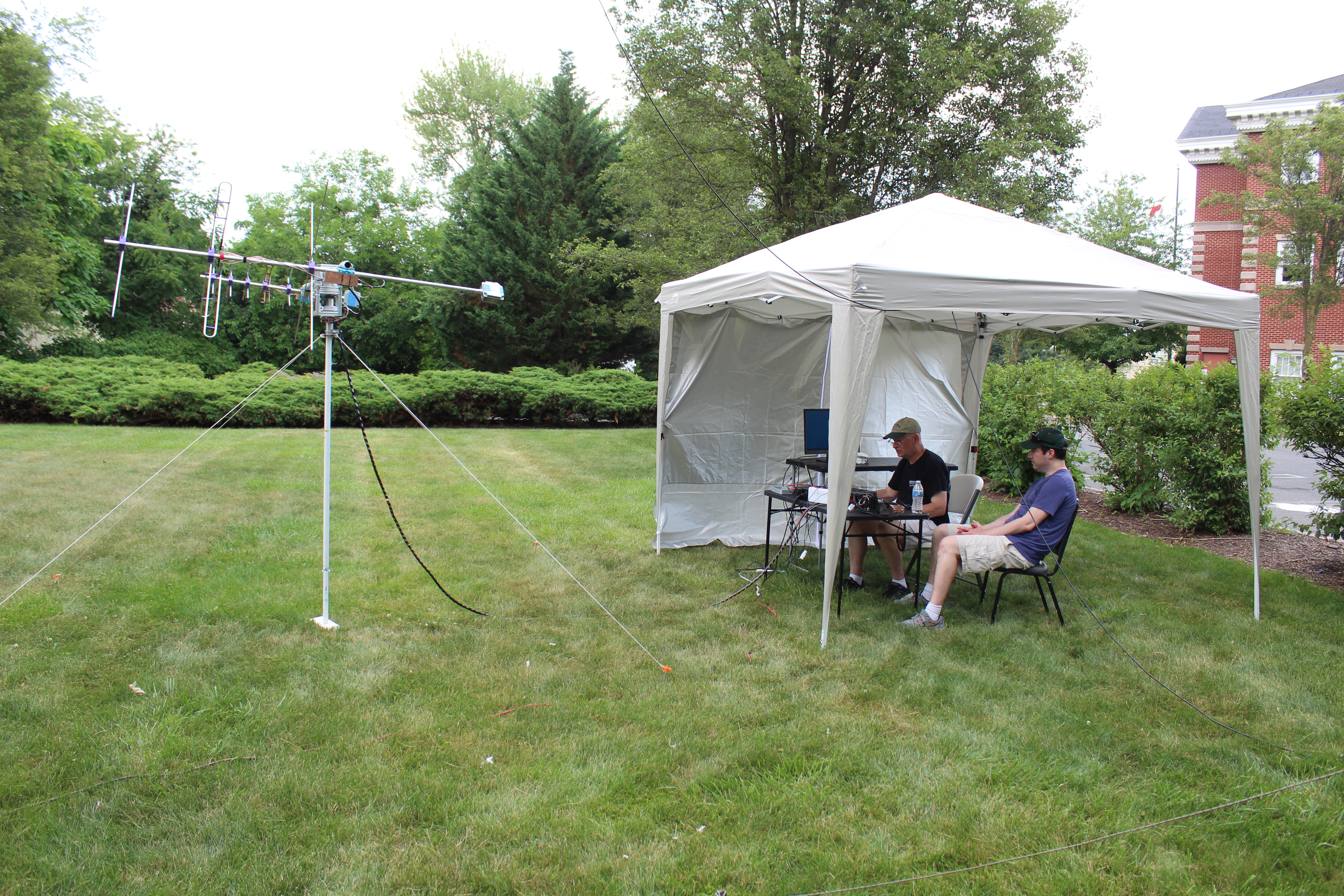
    Satellite Tracking

    One of our goals this year and at past events has to make a successful contact through satellite’s. This year Rich KD2WJR successfully make a contact at 4:00am on Sunday. 

    If you would like to see photos from Field Day please Click Here

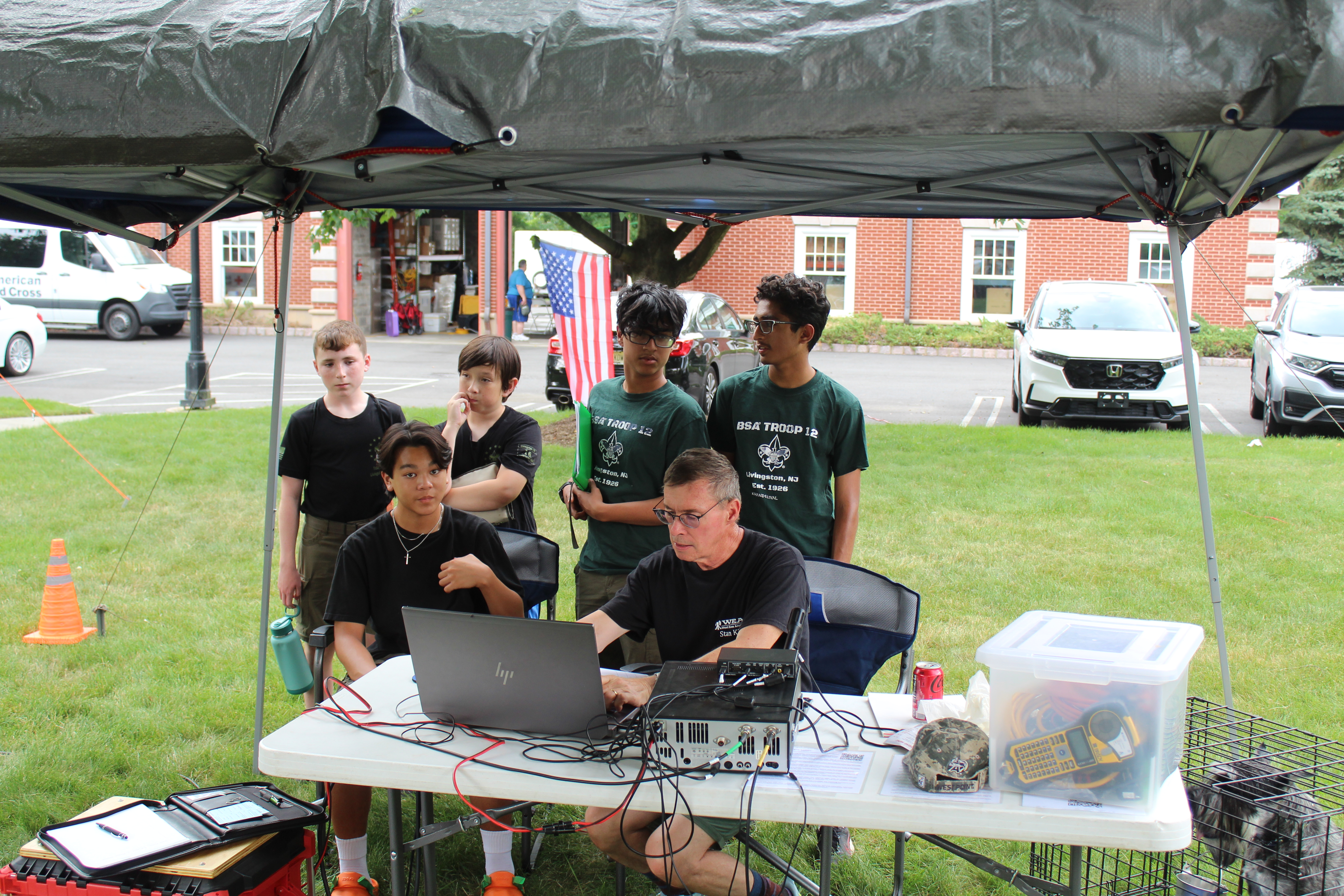
    GOTA & BSA 

    During the event WEARC/ARC² operated a Get-On-The-Air (GOTA) station and invited BSA Troops from the Essex County area. Several scouts showed up and began working on the Radio Merit Badge with an on-site Merit Badge Counselor

  • WHY AMATEUR RADIO?

      There are several compelling reasons why people choose to get into ham radio:

    1. Personal Enjoyment and Hobby: Many people find operating ham radio to be a fascinating hobby. It offers opportunities to communicate with people around the world, experiment with different modes of communication (voice, digital, Morse code, etc.), and participate in contests and events.

    2. Emergency Communication: Ham radio operators often play a crucial role in emergency communication. During disasters when other forms of communication may fail, hams can provide a lifeline for emergency responders, communities, and individuals in need. They are trained to handle emergency traffic efficiently and reliably.

    3. Technical Learning: Ham radio provides a hands-on way to learn about radio communication technology, electronics, antennas, propagation (how radio waves travel), and more. It’s a practical way to apply theoretical knowledge in a real-world setting.

    4. Community and Social Connections: Ham radio enthusiasts form a global community of like-minded individuals. They often participate in clubs, nets (regular on-air meetings), and events, fostering friendships and mentorship opportunities across generations and cultures.

    5. Public Service: Many hams engage in public service activities, such as providing communications support for marathons, parades, and other community events. They volunteer their skills and equipment to assist in logistics, safety, and coordination.

    6. Global Connectivity: Ham radio allows communication without reliance on internet infrastructure or commercial networks. This independence can be valuable in remote or isolated areas, during travel, or in regions where communication infrastructure is unreliable or unavailable.

    7. Experimentation and Innovation: Hams are encouraged to experiment with new technologies and techniques. This spirit of innovation has led to advancements in radio technology and communication protocols over the years.

    8. Personal Development: Operating ham radio can enhance skills such as problem-solving, communication, and adaptability. It challenges operators to think critically and make decisions quickly, particularly in dynamic conditions like contesting or emergency situations.

    9. Learning and Teaching: Many hams enjoy sharing their knowledge and mentoring newcomers to the hobby. This fosters a culture of continuous learning and passing on skills to future generations.

    Overall, ham radio offers a unique blend of personal enjoyment, technical exploration, community service, and global connectivity. Whether for hobbyist reasons, public service, or personal growth, ham radio continues to attract individuals who appreciate its versatility and enduring appeal.

    73,

    KD2WWU

  • HOW TO START WITH HAM RADIO

    Starting with ham radio can be an exciting journey into the world of amateur radio communication. Here are the steps you can follow to get started:

    1. Learn About Ham Radio: Familiarize yourself with what ham radio is all about. It’s a hobby that allows licensed operators to communicate with each other using various frequencies and modes. Youtube has great channels that you can watch, check it out!

    2. Study for the License Exam: In most countries, you need to pass a license exam to operate a ham radio legally. Study materials are often available online or through local amateur radio clubs. Topics usually include regulations, operating procedures, and basic electronics.

    3. Find a Local Club or Elmer: Joining a local amateur radio club can be immensely helpful. These clubs often offer classes, exams, and mentoring (sometimes referred to as an “Elmer”) for newcomers. They also provide opportunities to meet experienced operators and learn from their knowledge.

    4. Take the License Exam: Once you feel prepared, take the license exam. The exam typically covers multiple-choice questions on regulations, technical knowledge, and operating practices. Passing the exam grants you a call sign and a license level (which varies by country).

    5. Get Your Equipment: Start with basic equipment appropriate for beginners. A popular choice is a handheld transceiver (HT) that operates on VHF/UHF bands. As you gain experience, you can expand your equipment to include HF bands and more sophisticated setups.

    6. Practice Operating: Start making contacts with other ham radio operators. Join nets (scheduled on-air meetings), participate in contests, or simply chat with other hams. Each contact helps you improve your skills and learn more about the hobby.

    7. Continue Learning: Ham radio offers a wide range of activities beyond basic voice communication, including digital modes, satellite communication, and even amateur television. Explore these options based on your interests and technical skills.

    8. Contribute to the Community: Many hams enjoy contributing to emergency communications, public service events, or education. Volunteering for these activities not only helps others but also enhances your own skills and network within the ham community.

    9. Upgrade Your License: As you gain experience, consider upgrading your license to gain access to more frequencies and operating privileges. This often involves passing additional exams that cover more advanced topics.

    10. Have Fun and Enjoy the Hobby: Ham radio is a diverse hobby with opportunities for learning, experimentation, and making friends around the world. Enjoy the journey and don’t hesitate to ask for advice or help from fellow hams along the way.

    WEARC is a great group of people that can help you with each step. Subscribe to our blog and reach out in the comments, via Skype, WhatsApp or show up at our meetings. We will always do our best to help you!

    73,

    KD2WWU