Category: WEARC Blog

  • Join WEARC for ARRL Field Day 2026
    Join WEARC for ARRL Field Day 2026
    West Essex Amateur Radio Club & ARC²


    American Red Cross

    209 Fairfield Rd
    Fairfield, NJ 07004

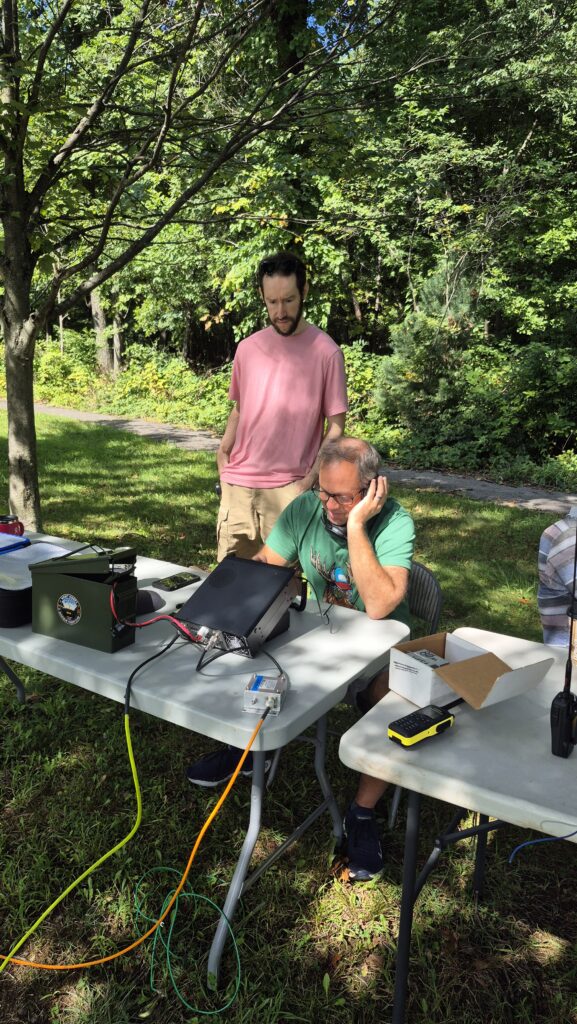
    Join WEARC and ARC² as we showcase our abilities to establish communications for emergency
    operations while making contacts all over the world. Open to the public and all amateur radio
    operators. There will be a GOTA Station allowing visitors who do not have a license to “Get on the Air”.


    For Licenesed Hams: Talk-in 146.595 PL 100.0 +1.000


    Questions: E-Mail

  • WEARC Zoom Presentation – 3D Printing and the Radio Amateur

    WEARC Zoom Presentation – 3D Printing and the Radio Amateur

    Join Mark Steele, W2MWS, for an introduction to the world of 3D printing and its many applications in amateur radio. Learn about common printing materials, printer types, design and slicing software, and how hams are using 3D printing to create everything from replacement knobs and radio accessories to antenna components and portable operating equipment. Whether you are curious about getting started or looking for new ideas for your shack, this presentation will provide a practical overview of the technology and its benefits to the amateur radio community.

    The presentation will be during our weekly zoom social, Wednesday June 24th at 7:30PM EST. If you are not a WEARC member, email for the zoom link. We will record the presentation and post it here on our web site.

  • WEARC and ARC2 Fox Hunt

    WEARC and ARC2 Fox Hunt

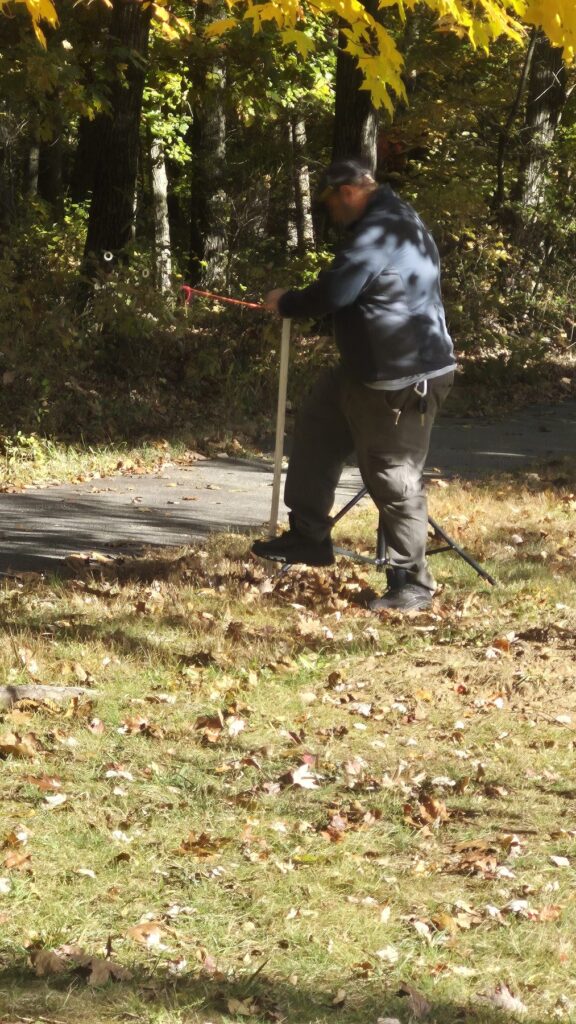
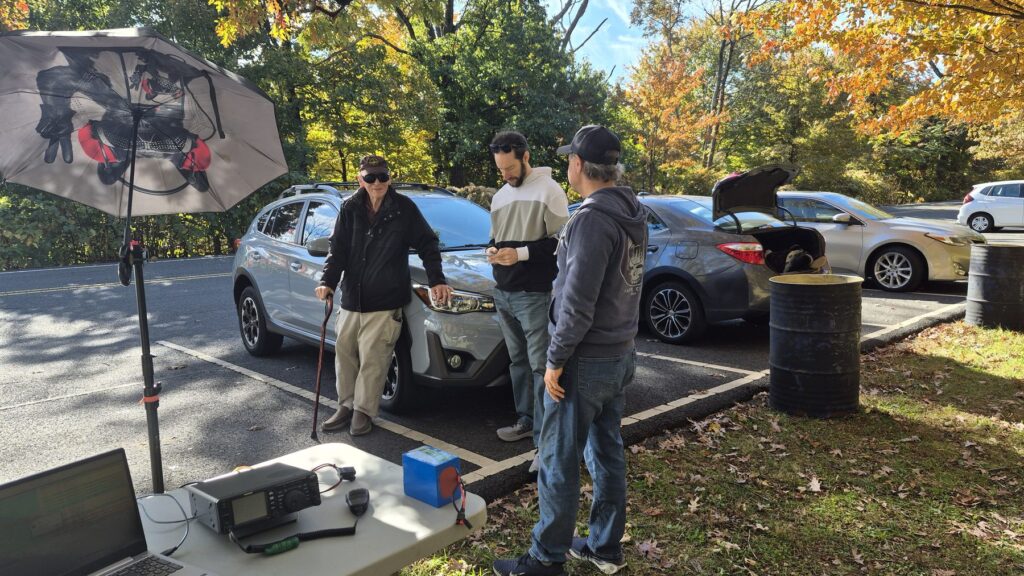
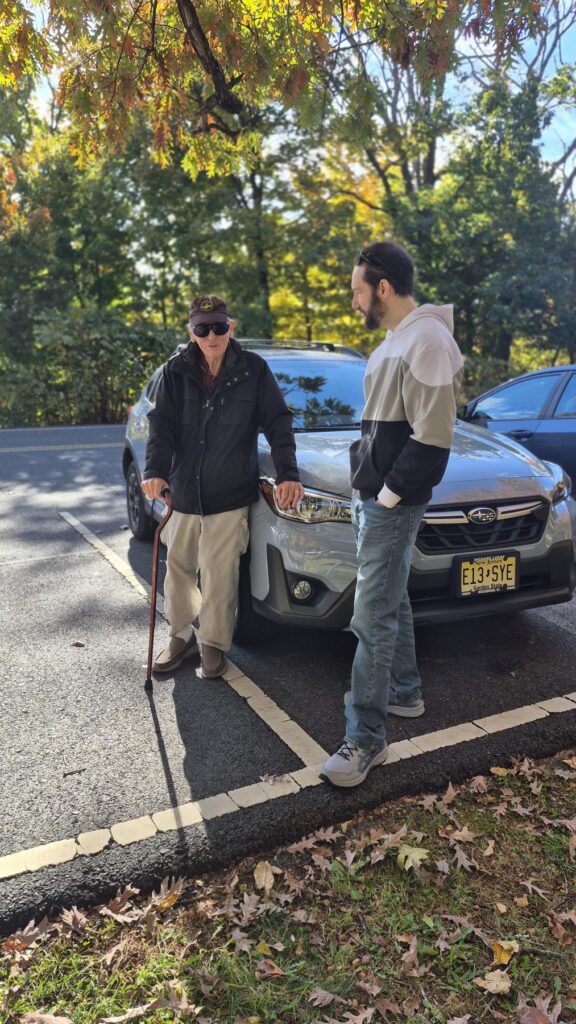
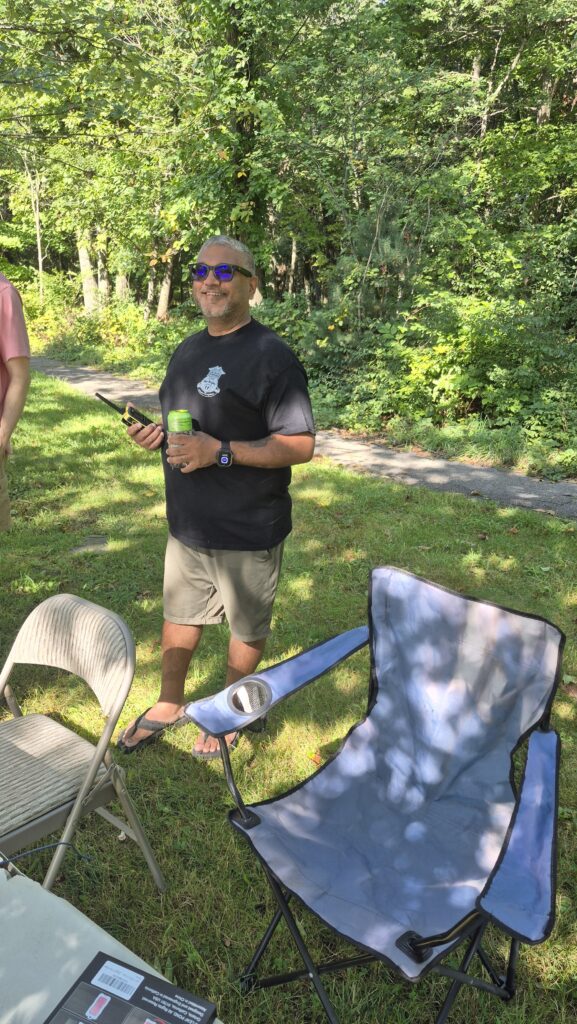
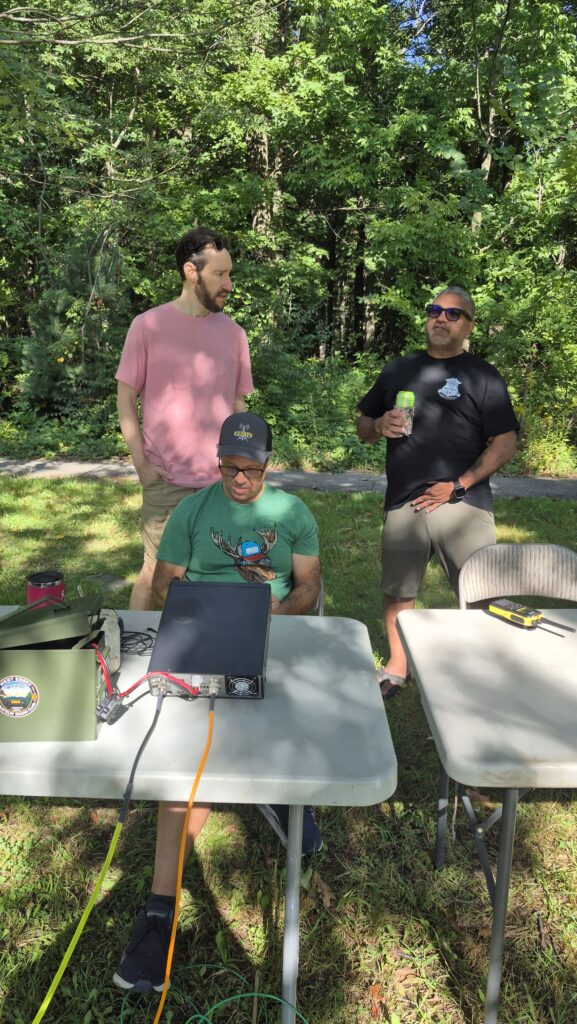
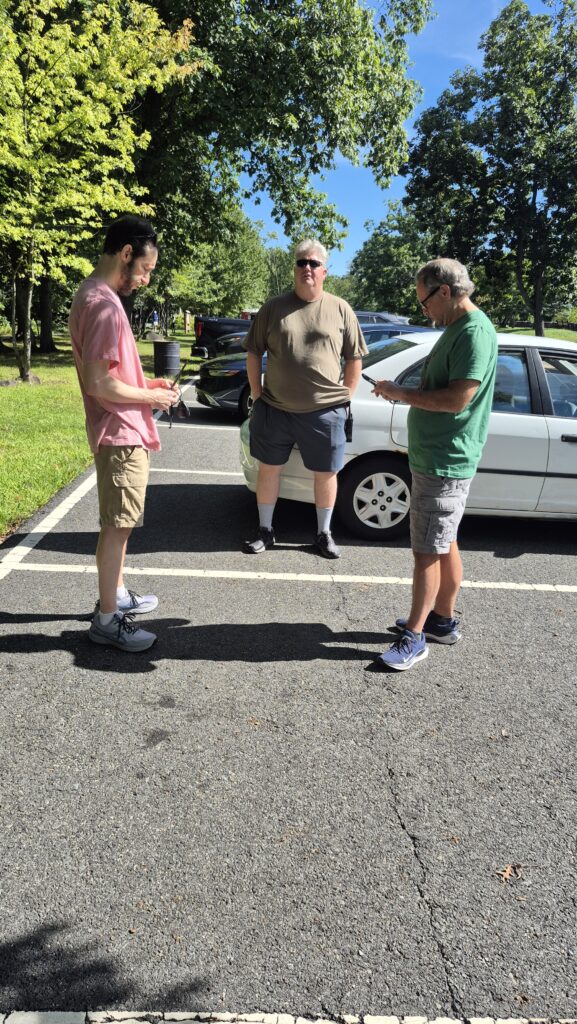
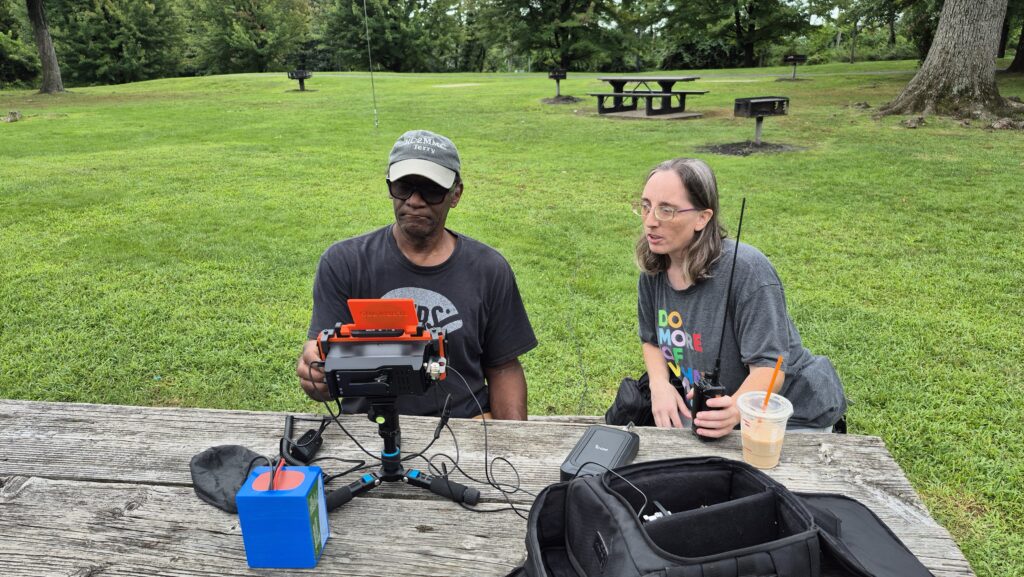
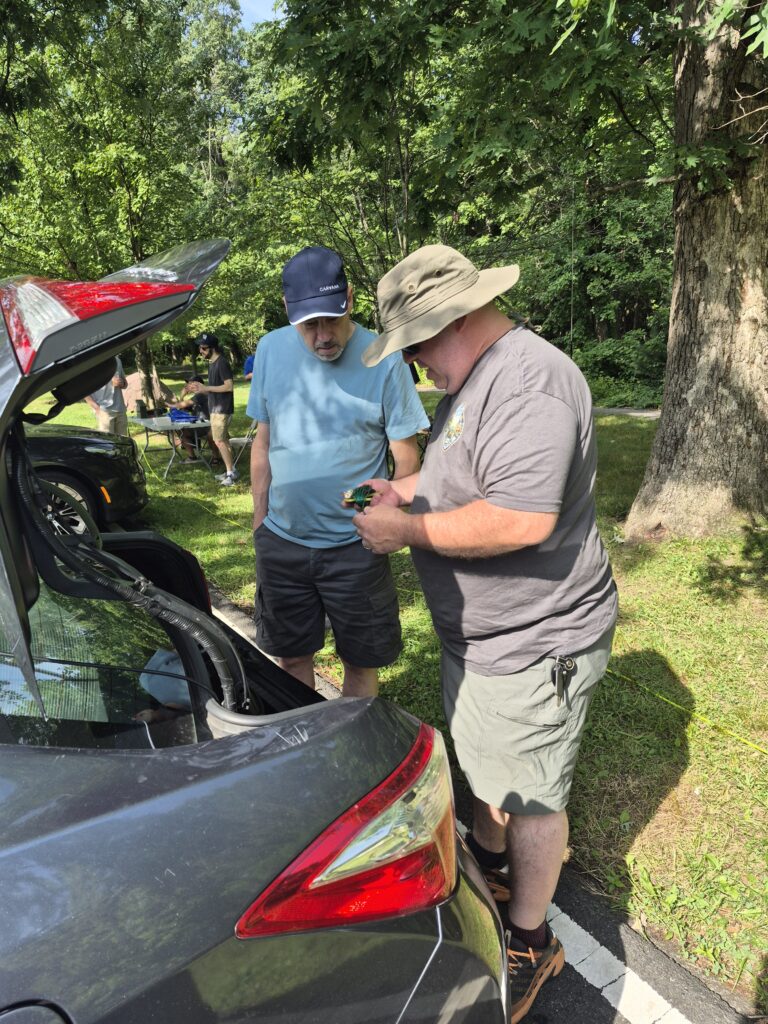
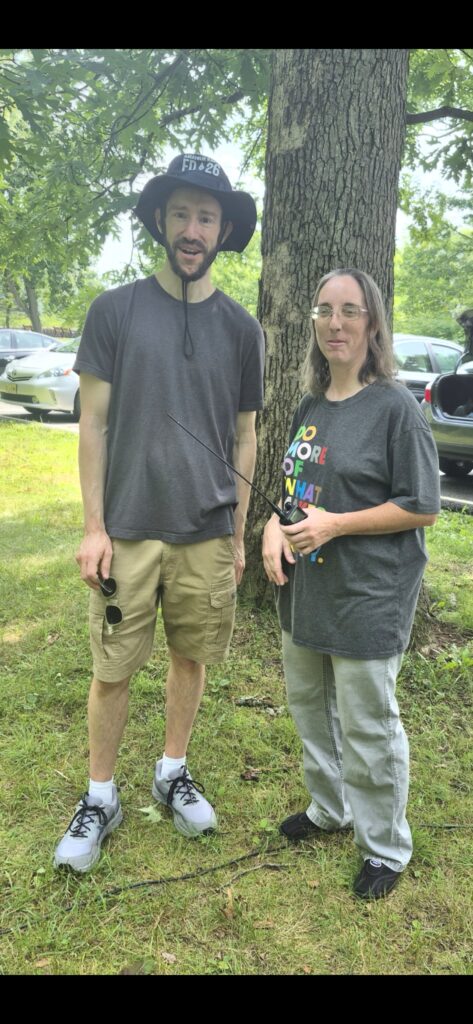
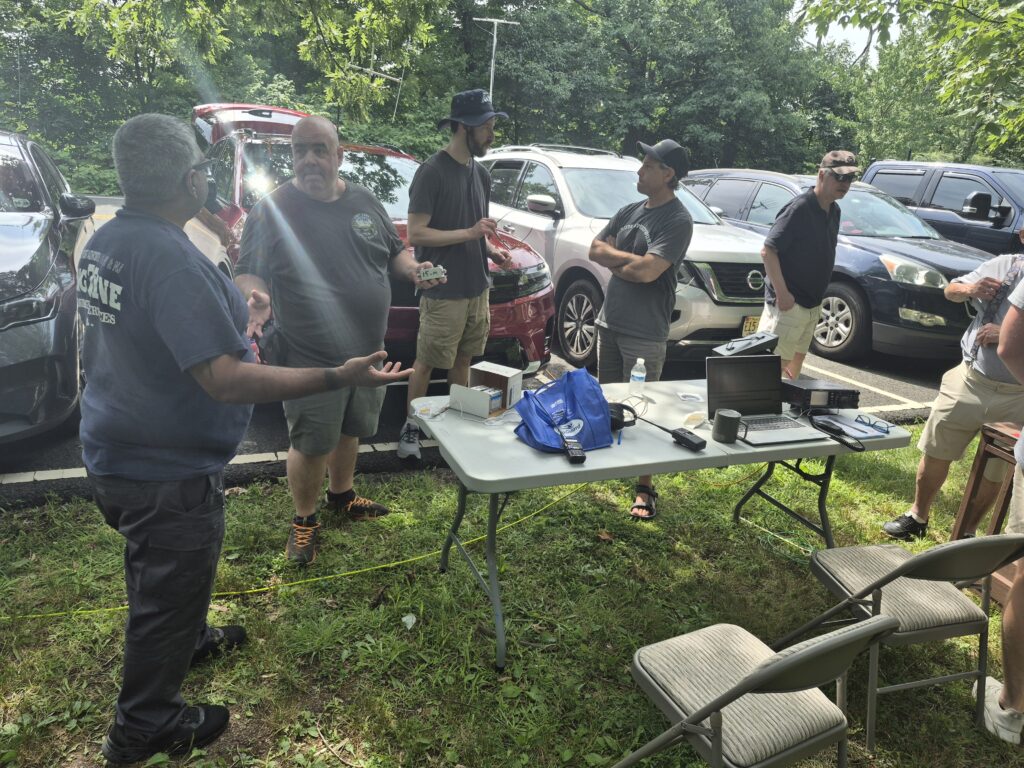
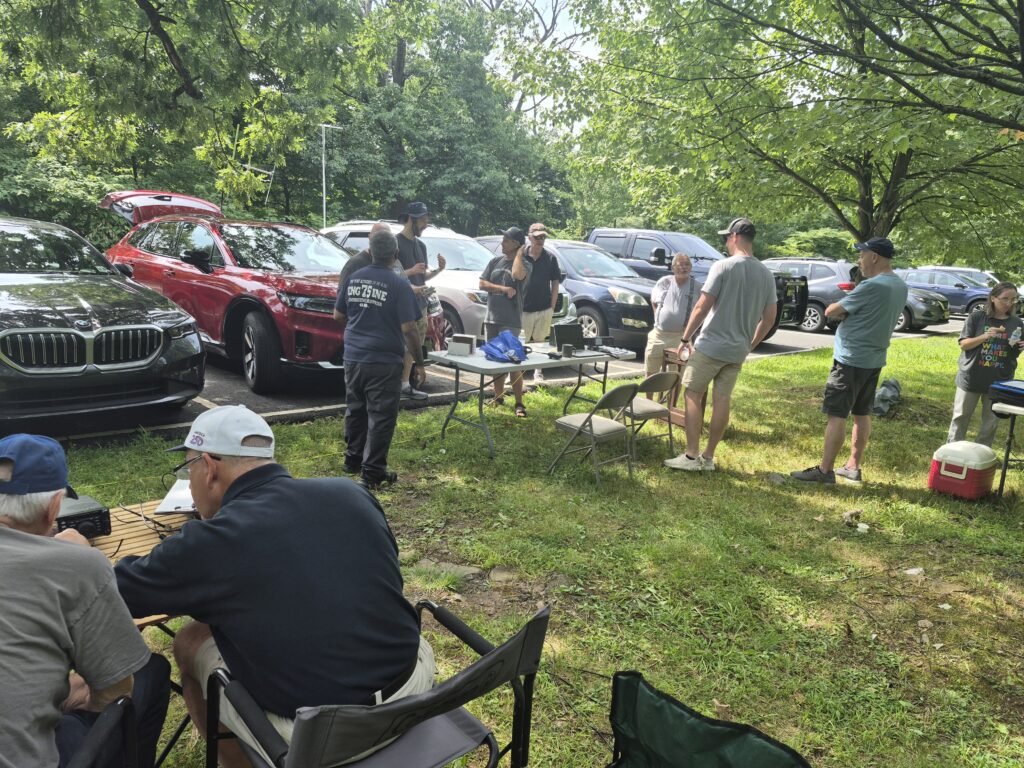
    ARC Squared (ARC2) and WEARC radio clubs held a Fox Hunt today, June 14th at the Fairfield Red Cross facility.

    Jerry WB2GZL gave a short tutorial on how to use your HT in a Fox Hunt.

    He explained that finding the fox is better with a weaker signal by setting your radio off the frequency (about + or – 5 kHz). Also, if we take the antenna off the radio will help you to get a weaker signal.

    Once you find a signal in one direction and 180 degrees from that direction, use your body to shield the antenna to help find the true direction.

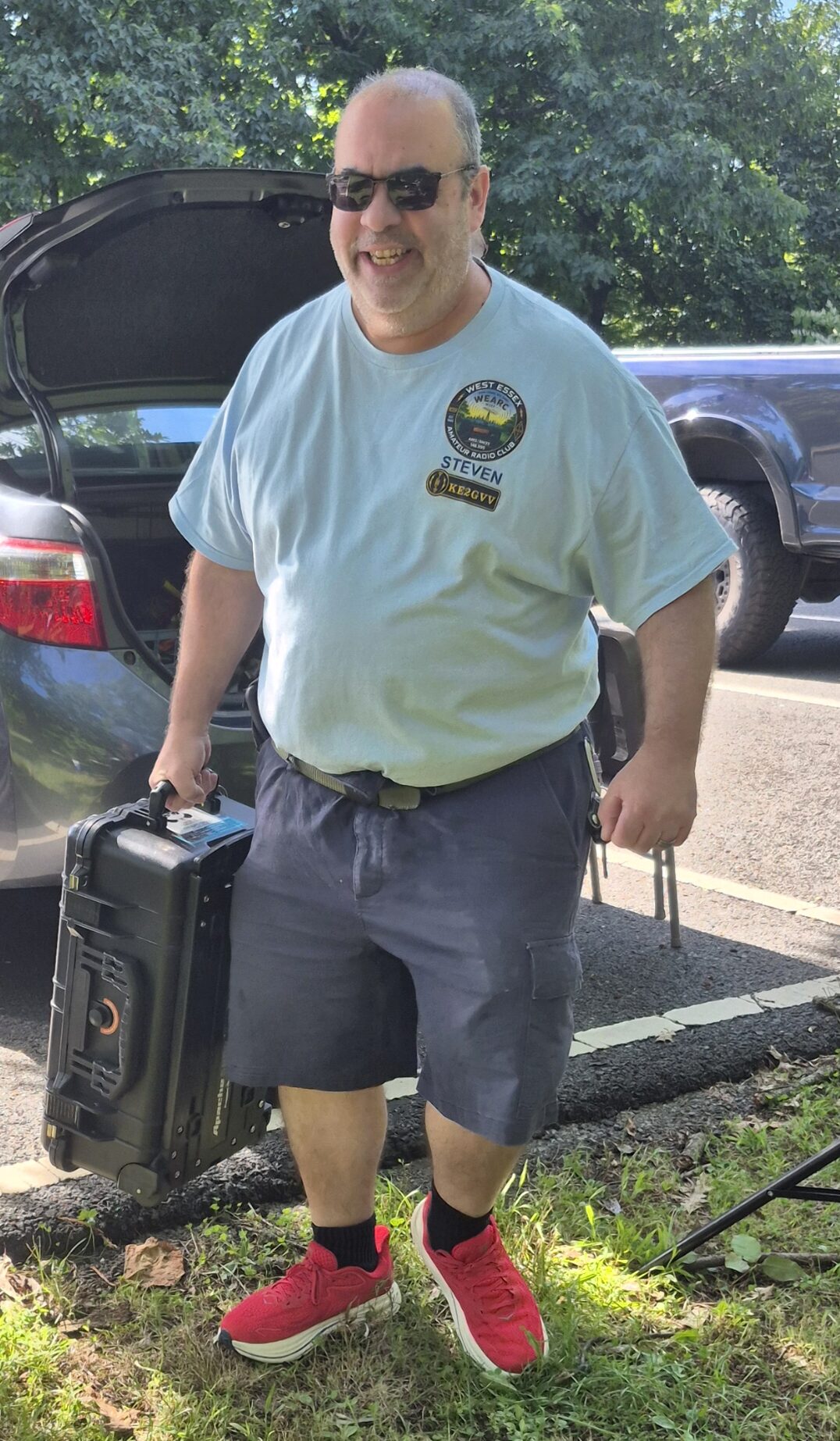
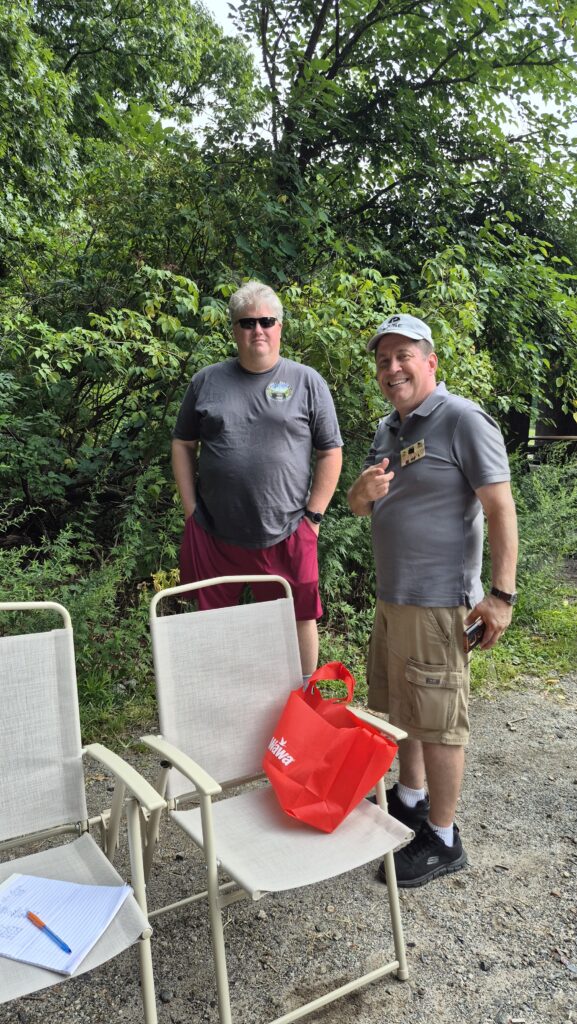
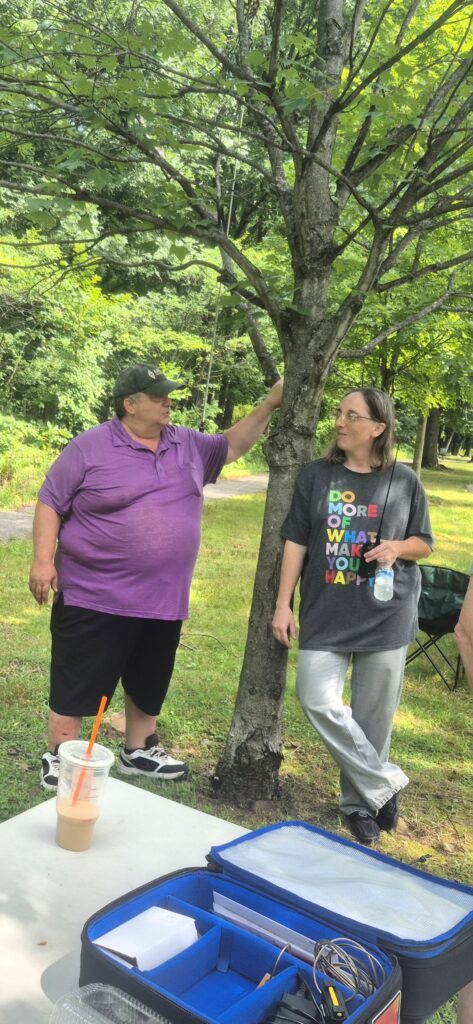
    Participants were Margaret KD2MAR, Steven KE2GVV and Bill NB1LL.

    After many false assumptions and wandering around for a while, Steven found the fox.

    It was a good experience for all.

    We will be holding another hunt in the Fall.

    Thank you, Jerry, for your knowledge and patience.

  • Essex County ARES Participates in Exercise at Eagle Rock Reservation

    Essex County ARES Participates in Exercise at Eagle Rock Reservation

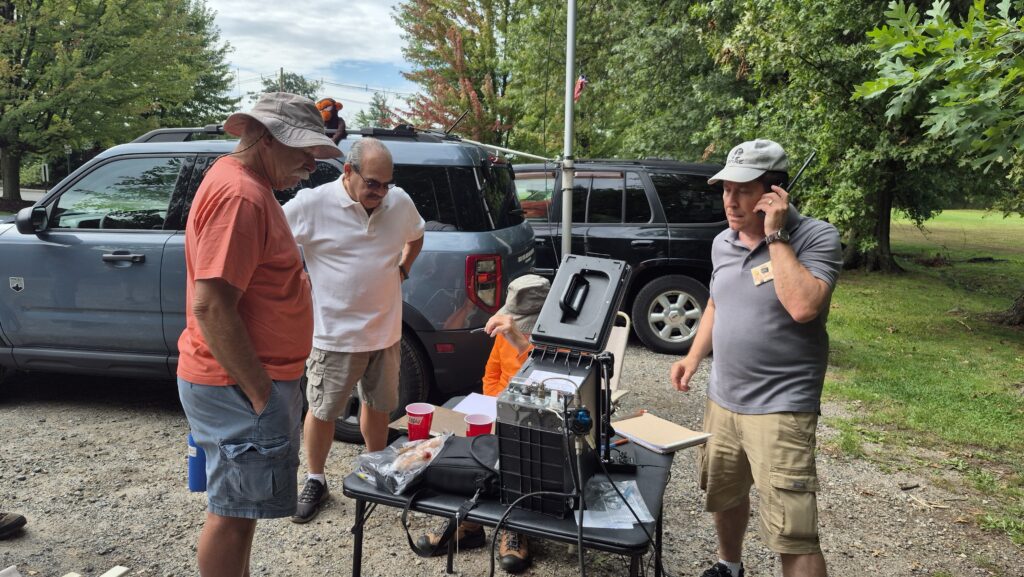
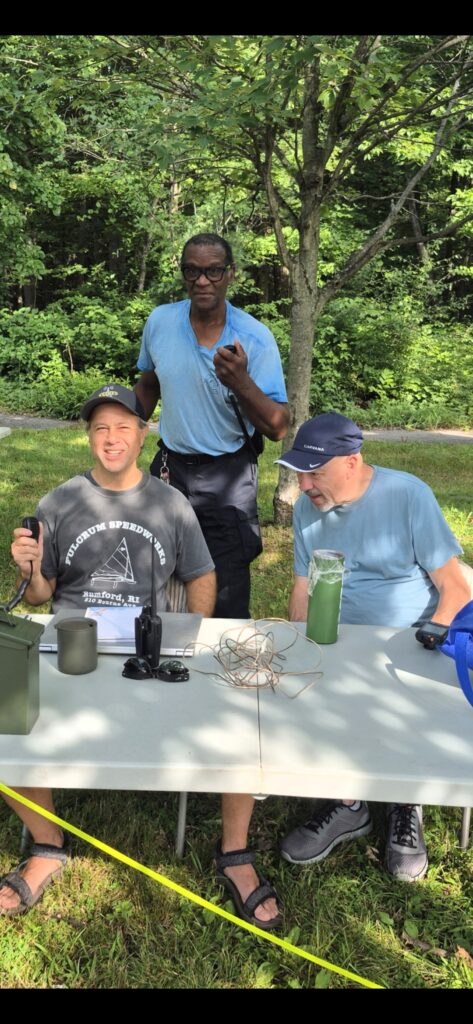
    On Saturday, June 6, 2026, amateur radio operators across the region participated in an ARES rapid deployment exercise that included both repeater-based and simplex net operations. The Essex County portion of the activation was centered at Eagle Rock Reservation, providing an excellent elevated operating location for portable and mobile radio testing.

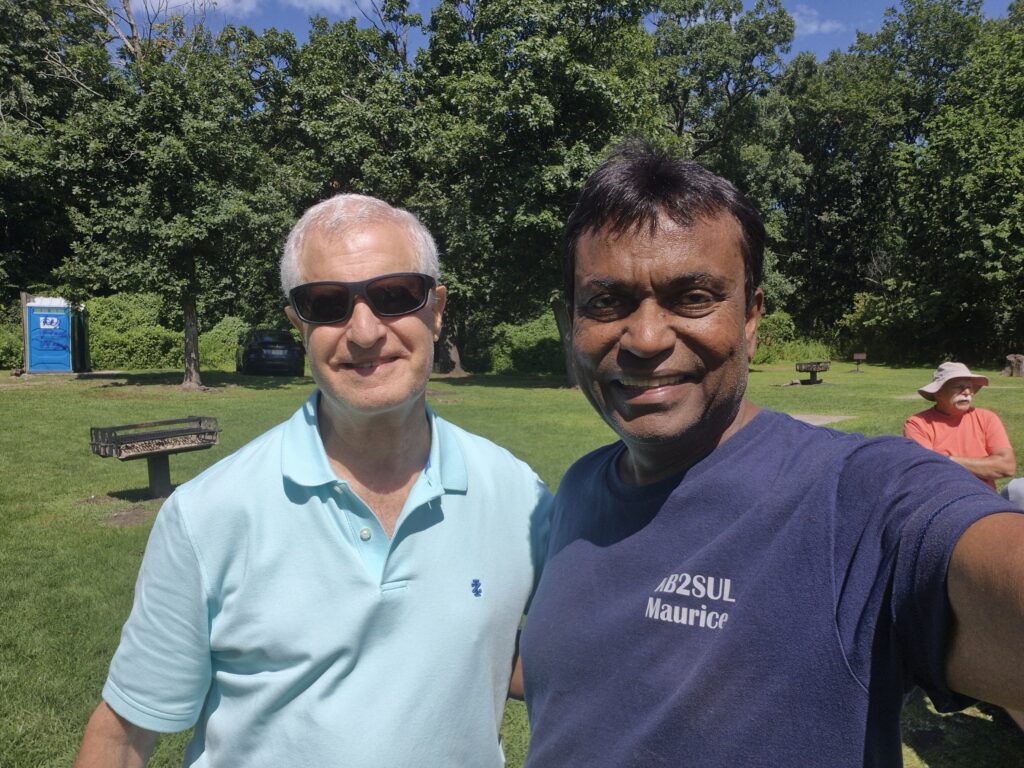
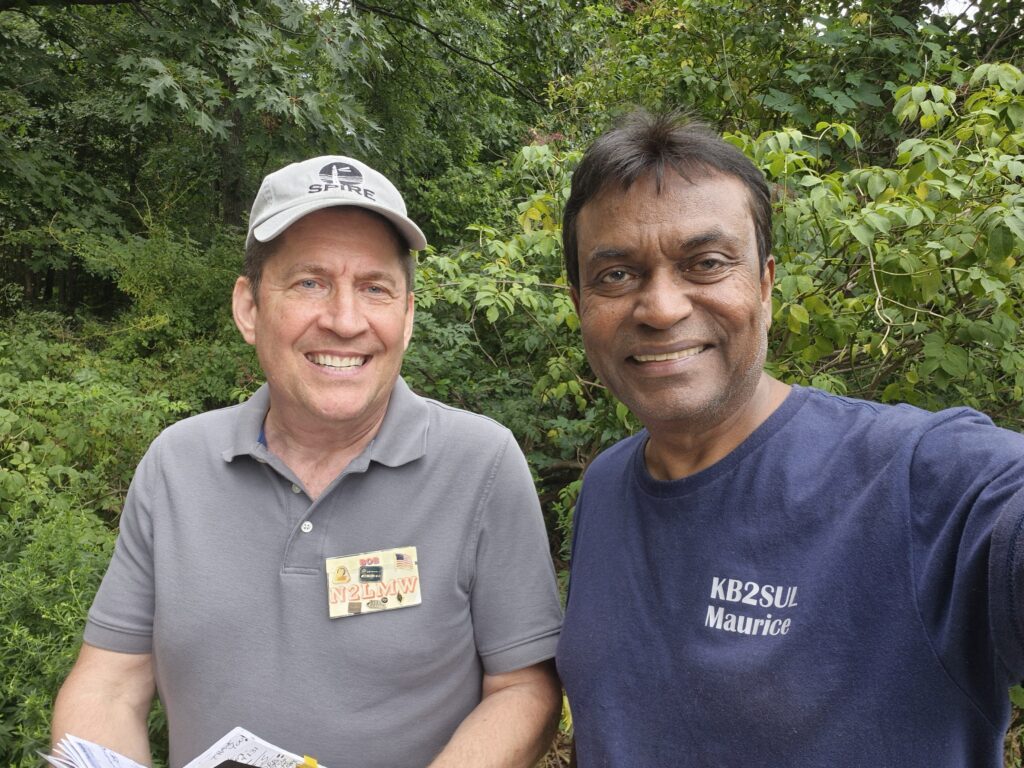
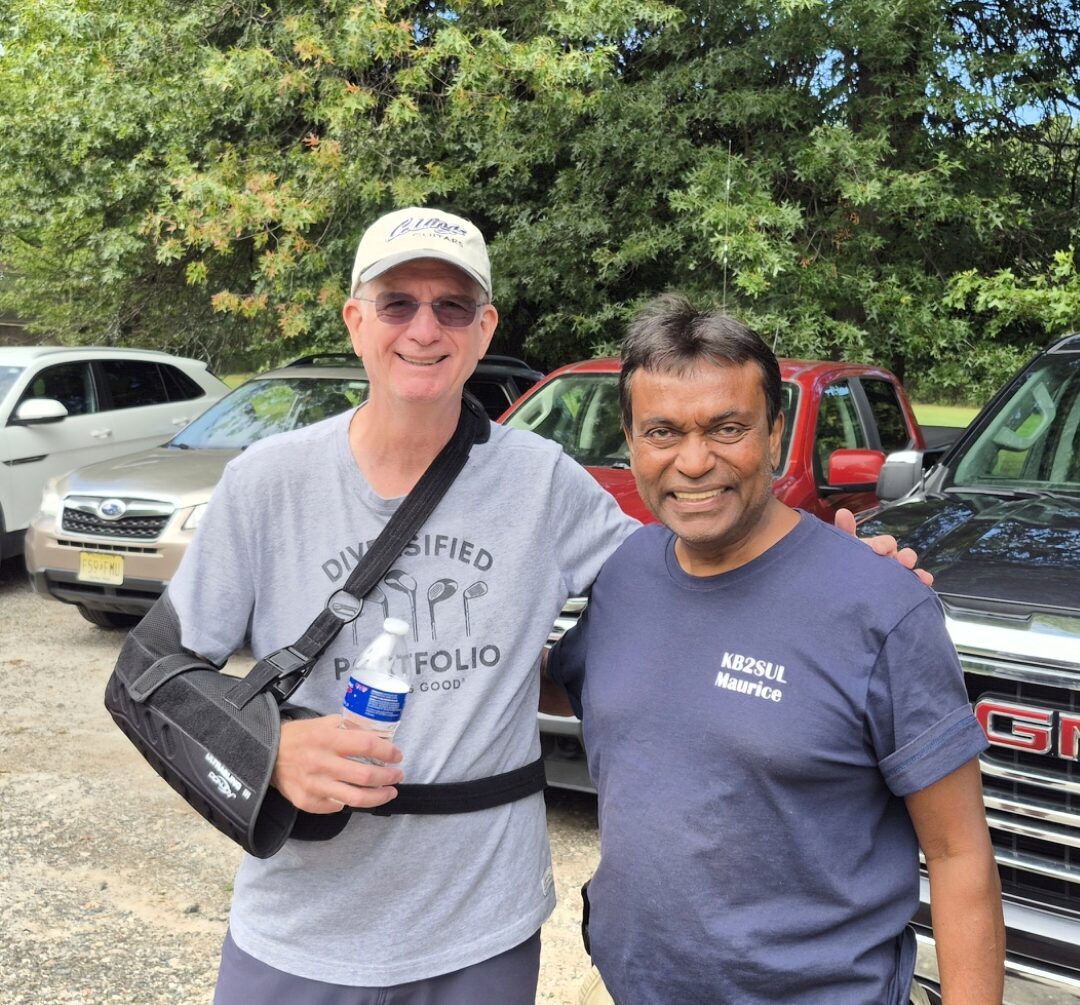
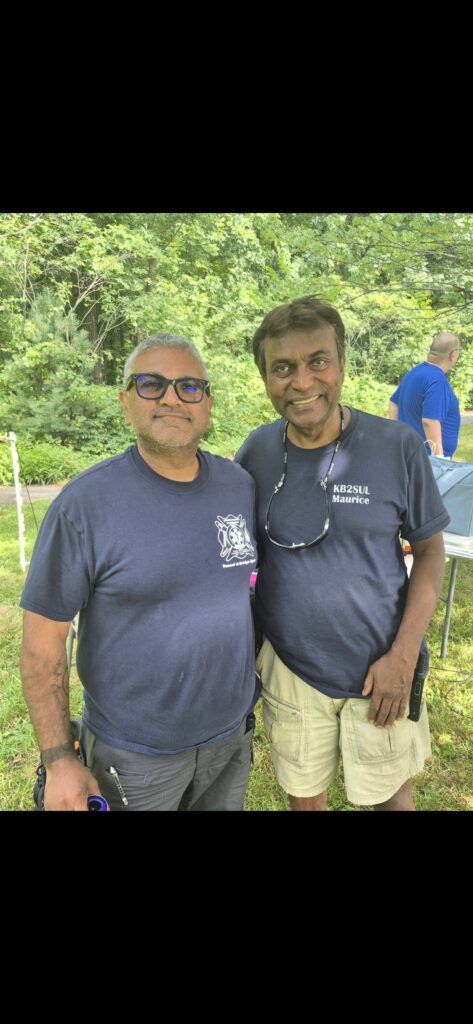
    Representing the Essex County effort at Eagle Rock were Stan, K2EXX; Maurice, KB2SUL; Mike, KC2NJ; and Rich, KD2WJR. Many additional operators participated from Essex County and beyond, including members of WEARC, Roseland, and the broader amateur radio community.

    The exercise focused on the fundamentals of emergency communications: rapid station setup, field power, portable antennas, simplex voice operations, and basic message handling. Operators were encouraged to deploy from realistic ARES service locations such as public buildings, assembly points, and other field locations where communications support might be needed during an actual emergency.

    The June 6 exercise was built around a simple but important premise: keep it fast, practical, and realistic. Participants assembled portable or mobile stations, verified antenna and power arrangements, and then joined both repeater and simplex nets using local 2 meter, 70 centimeter, and 10 meter frequencies as conditions permitted.

    The objective was not to create a complicated drill, but to practice the basics that matter most when infrastructure is limited or unavailable. Simplex communication remains one of the most important amateur radio capabilities during emergency and public service operations, especially when repeaters, internet connectivity, or commercial systems are unavailable.

    During the exercise, operators practiced net procedures, tactical call signs, and basic traffic handling. The county Emergency Coordinator opened the county net, and net control responsibilities were handled by stations in strong positions to hear as many participants as possible. Tactical call signs based on town or location were used, with stations identifying properly with FCC call signs.

    Eagle Rock Reservation served as a strong location for the Essex County deployment. Its elevation and open operating environment made it well suited for testing simplex coverage and evaluating how portable stations perform under field conditions.

    This type of exercise is valuable because it gives operators a chance to test their equipment before it is needed. Batteries, antennas, coax, radios, programming, message forms, and operating procedures all benefit from real-world practice. Even a short field exercise can reveal what works well, what needs adjustment, and what operators should improve before the next activation.

    The June 6 activation also helped strengthen coordination among local amateur radio organizations. Participation from Essex County, WEARC, Roseland, and operators beyond the county demonstrated the value of keeping the amateur radio community connected, trained, and ready to assist when called upon.

    ARES exercises like this are not only for experienced emergency communicators. They are also a great way for newer operators to build confidence, learn net procedures, test portable equipment, and become more comfortable operating away from home.

    Upcoming Net: FIFA Red Cross Prep Net

    All amateur radio operators are invited to participate in the upcoming FIFA Red Cross Prep Net on Saturday, June 13, 2026.

    The net will take place on 443.450 MHz from 10:00 AM to 10:15 AM.

    Check-in is simple. Just provide your call sign and town.

    ARES affiliation is not required. All licensed amateur radio operators are welcome and encouraged to participate.

    The more stations that check in, the better the community can understand local coverage, operator availability, and regional readiness.

  • South Mountain Reservation: Activation & Meet Up – May Edition

    South Mountain Reservation: Activation & Meet Up – May Edition

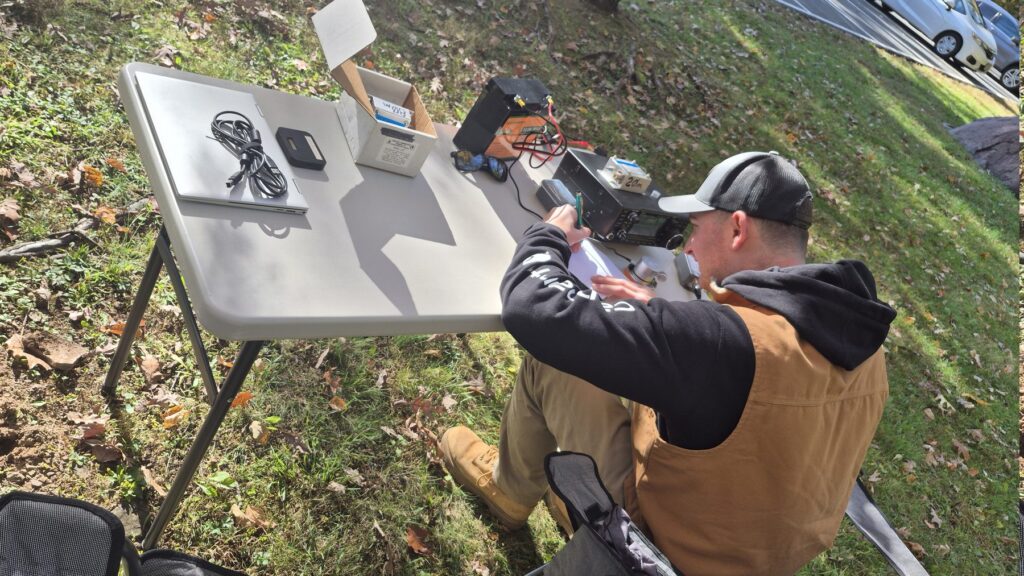
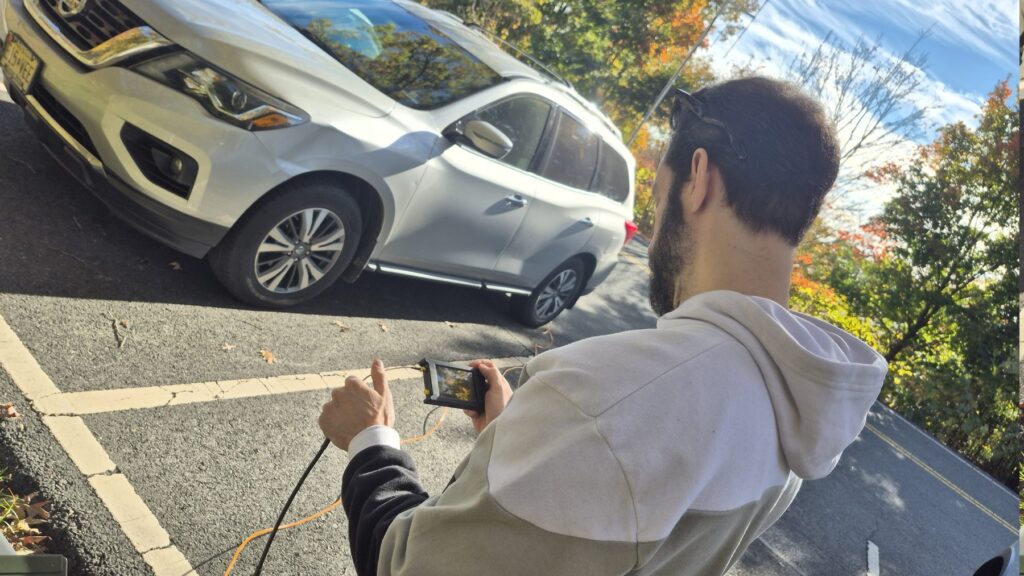
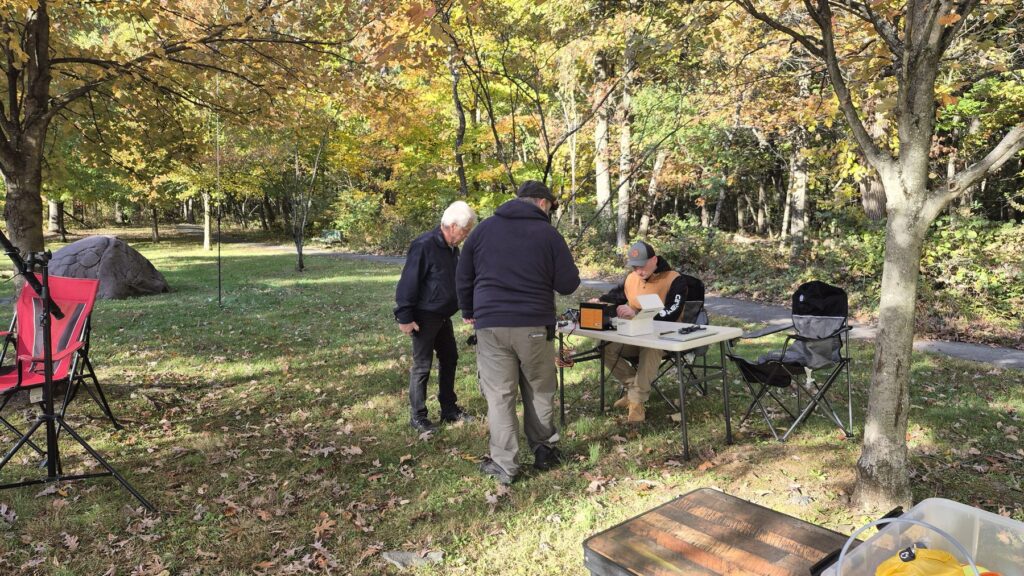
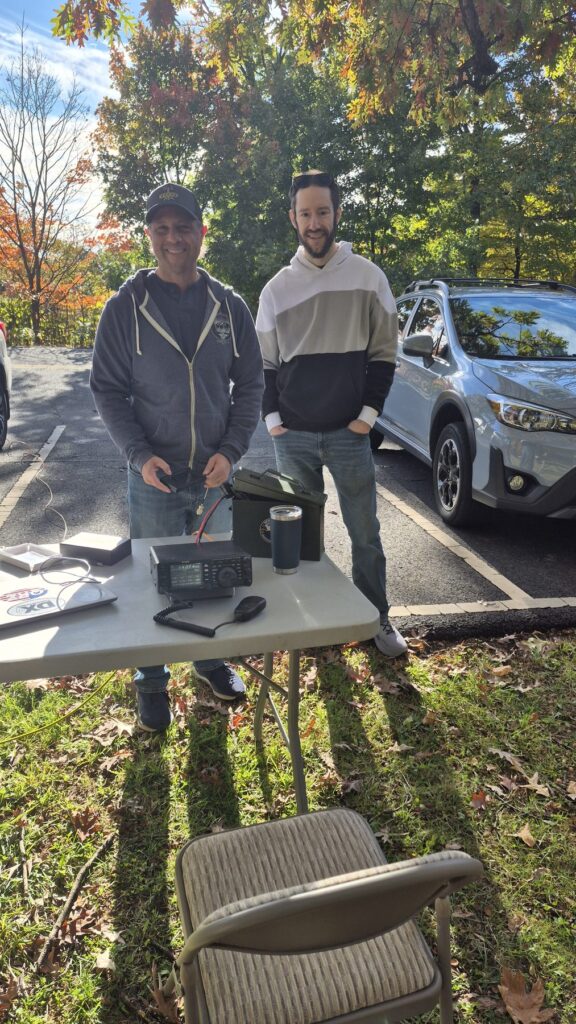
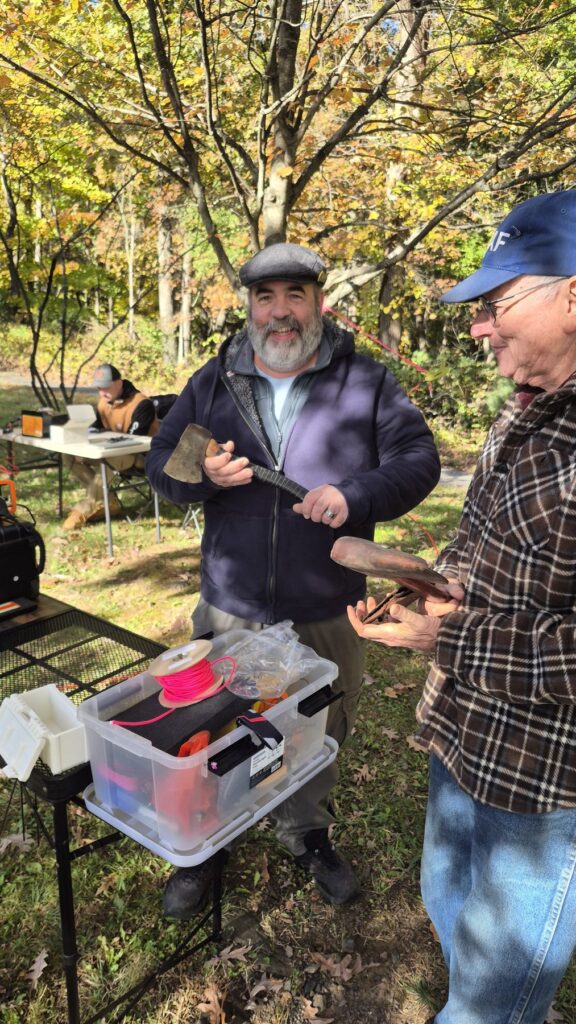
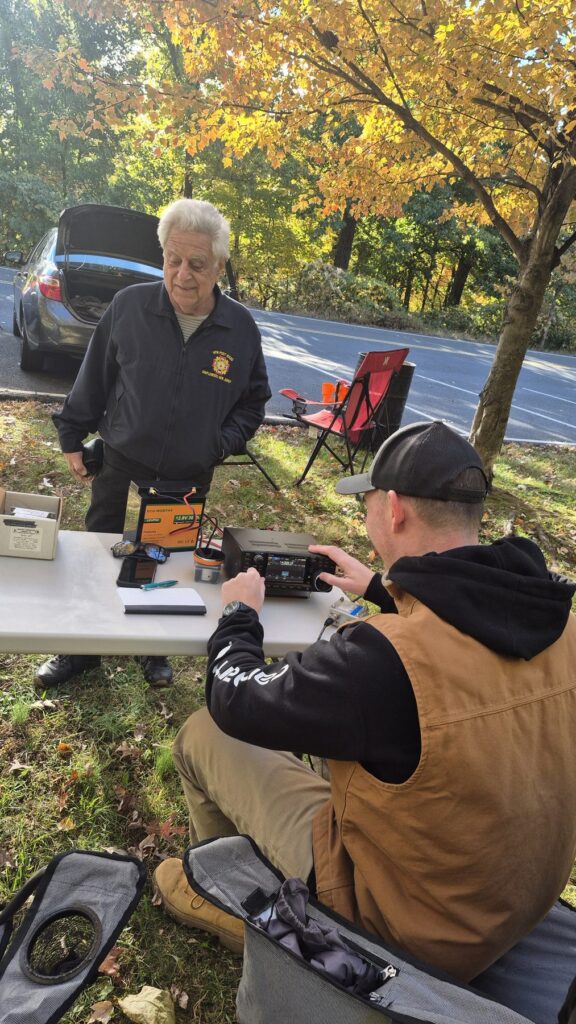
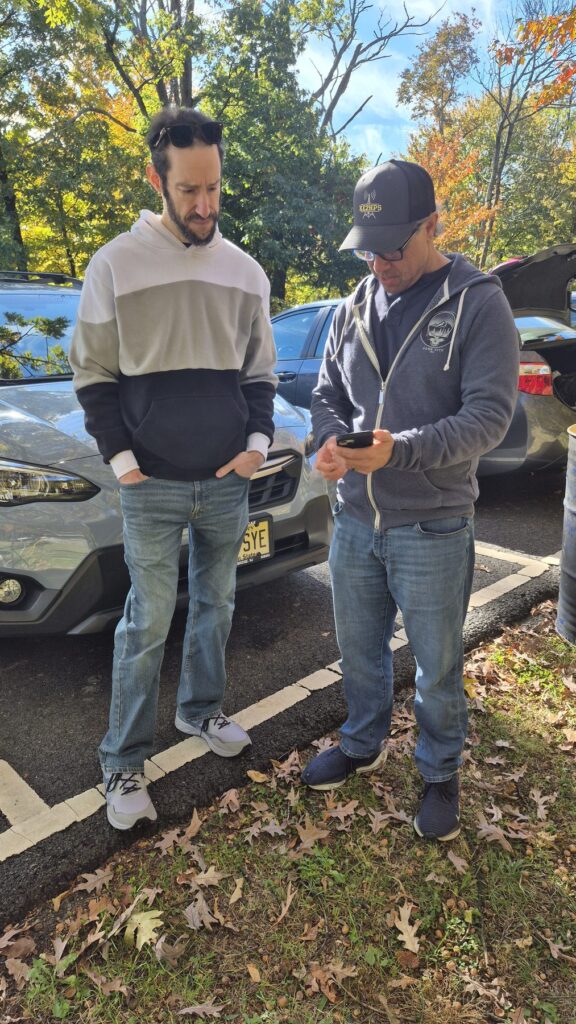
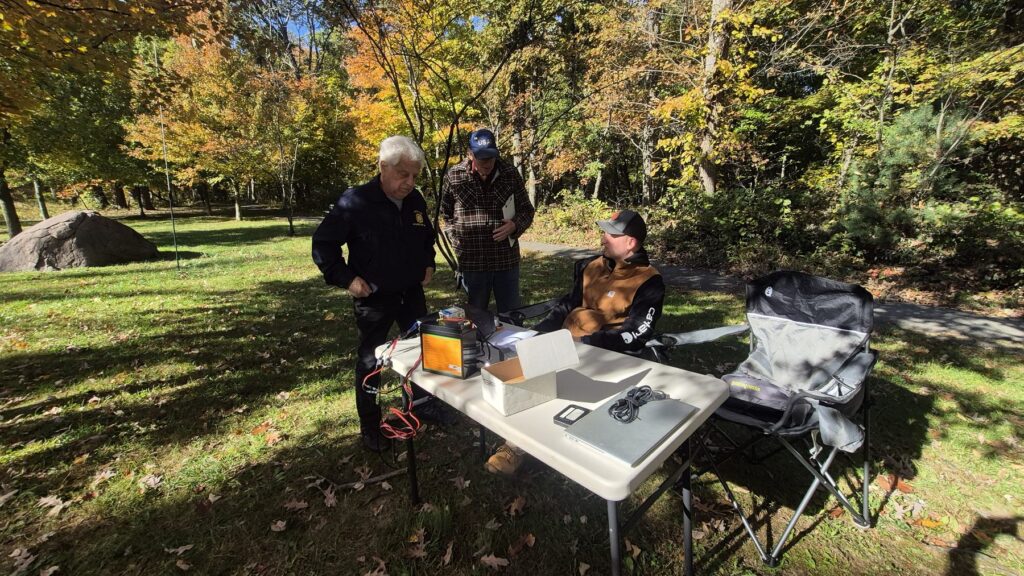
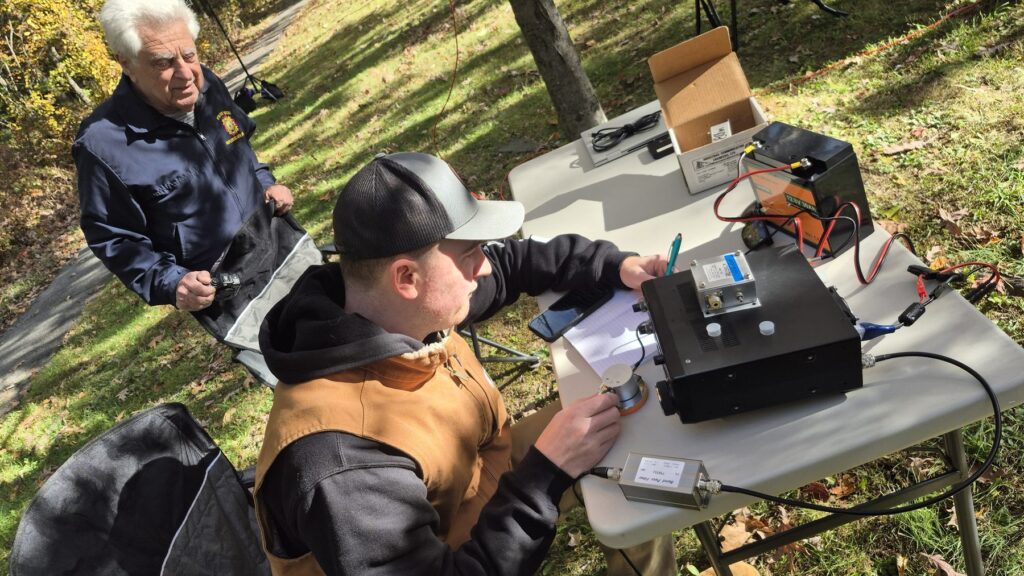
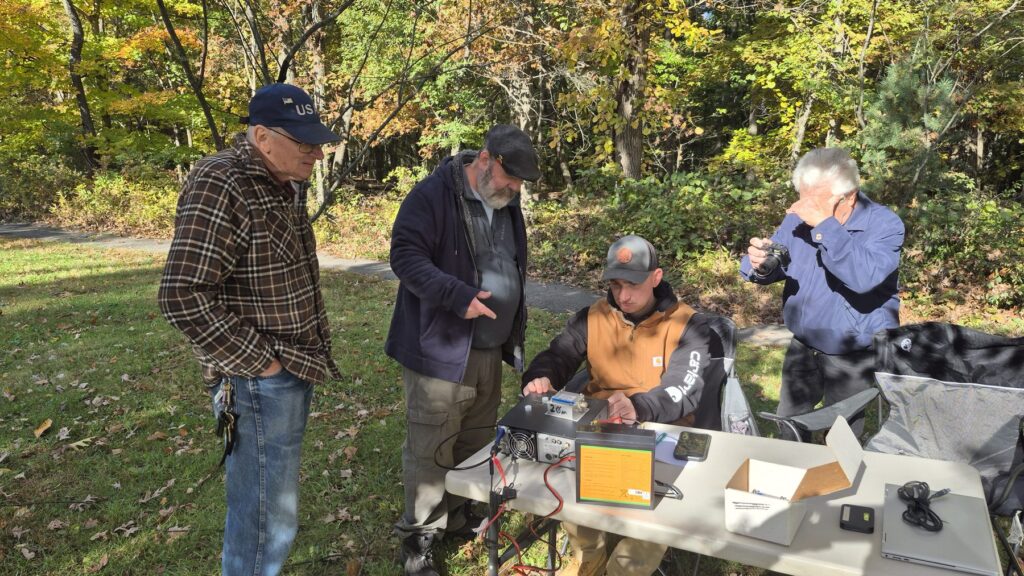
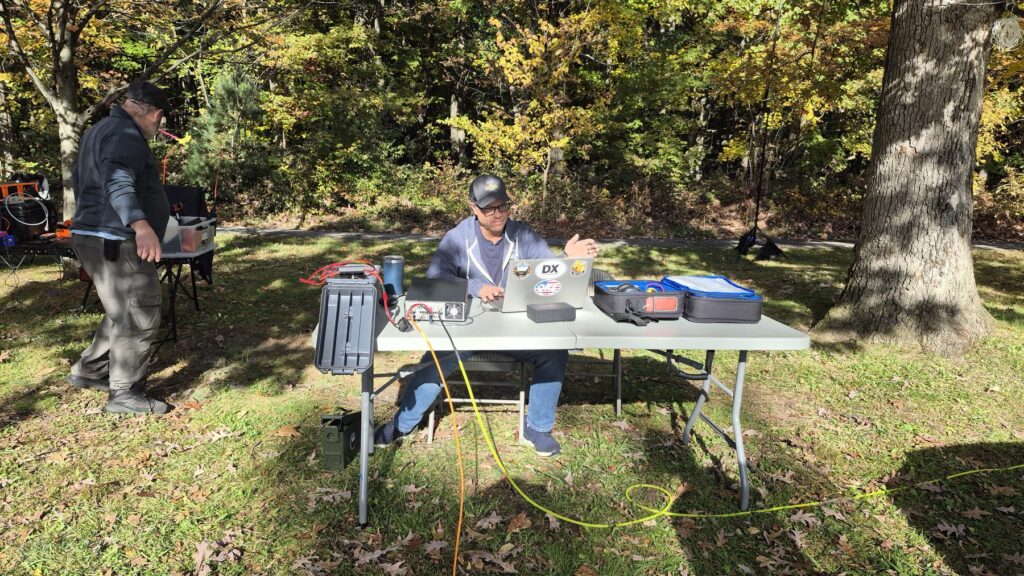
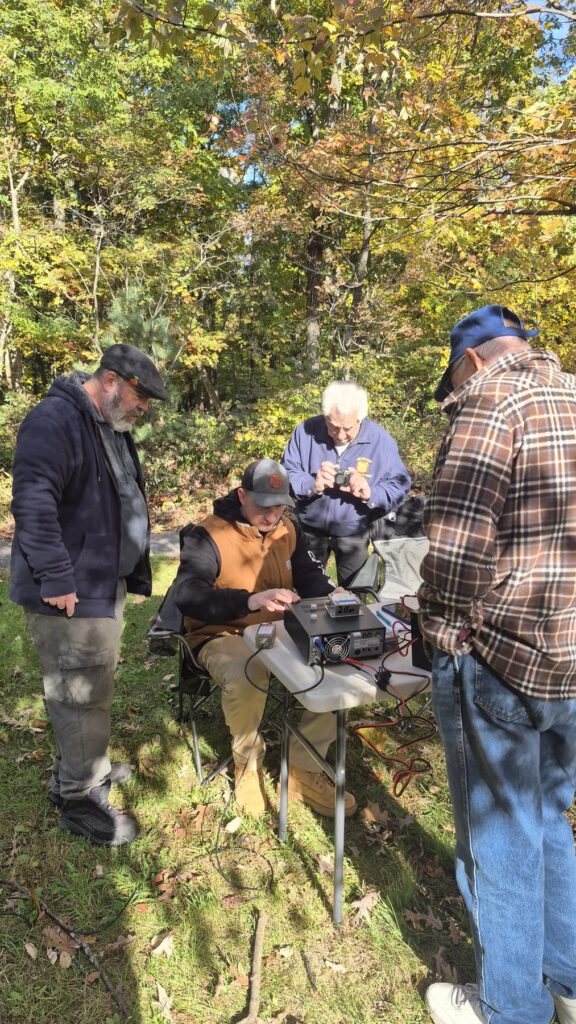
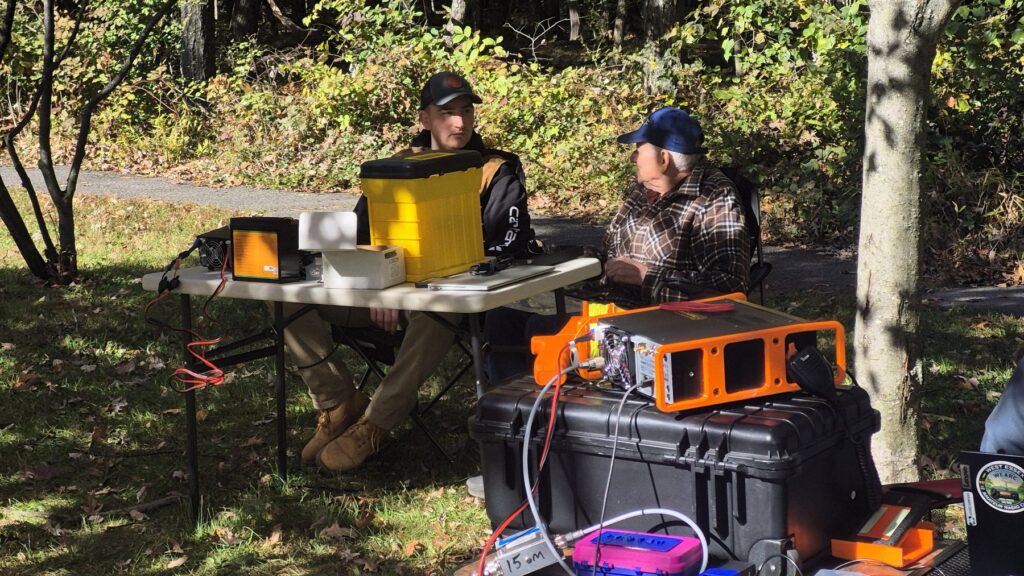
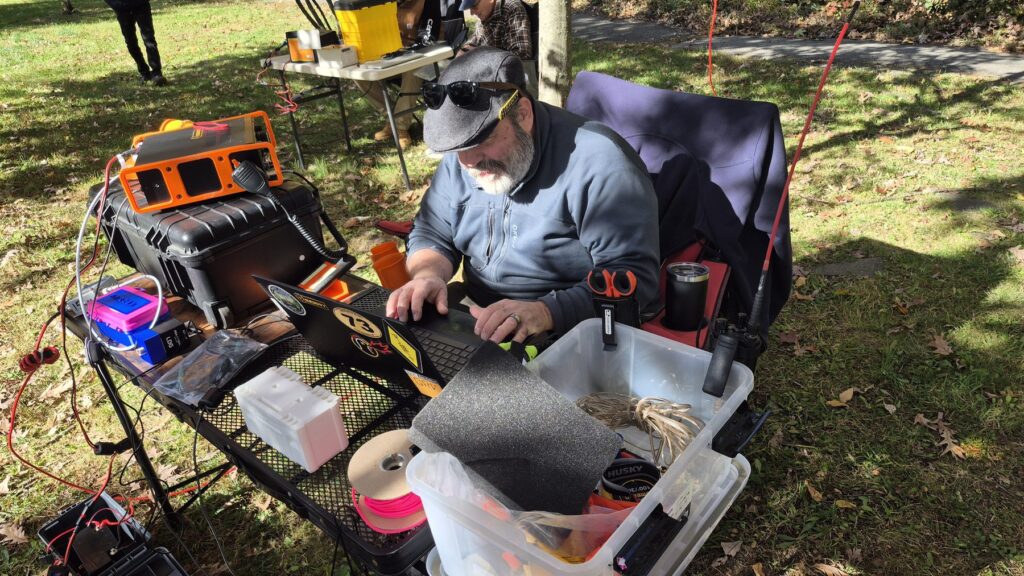
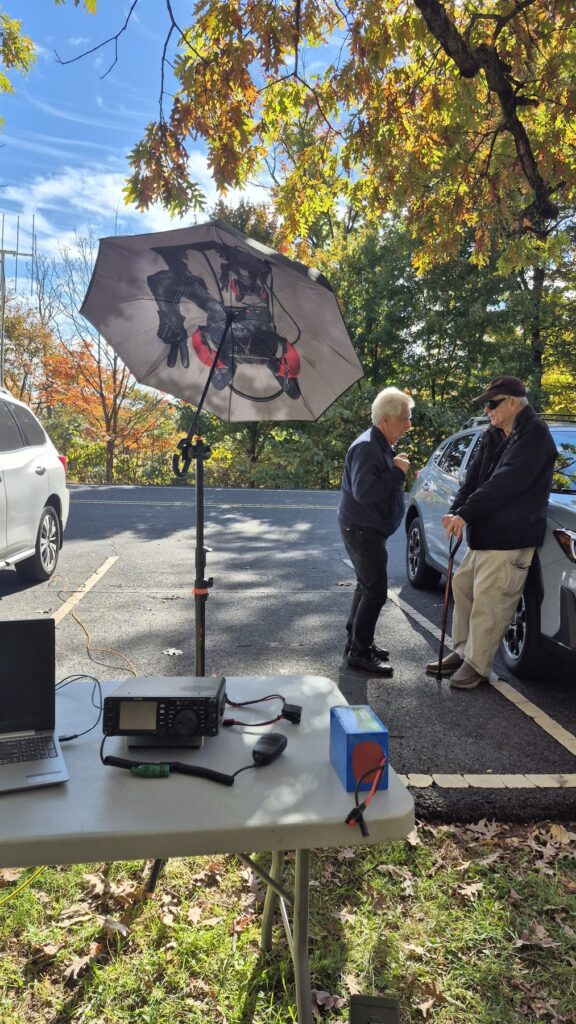
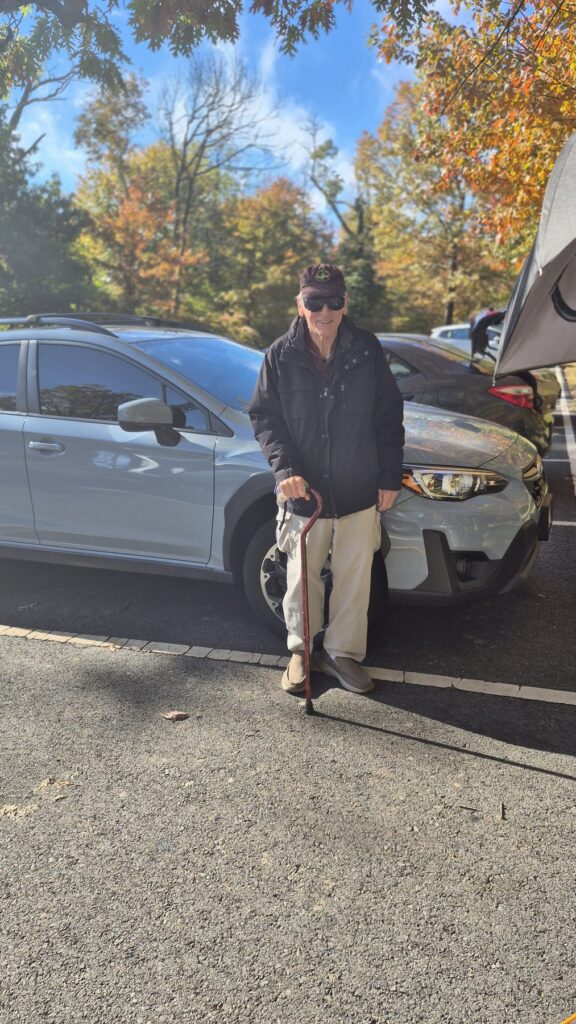
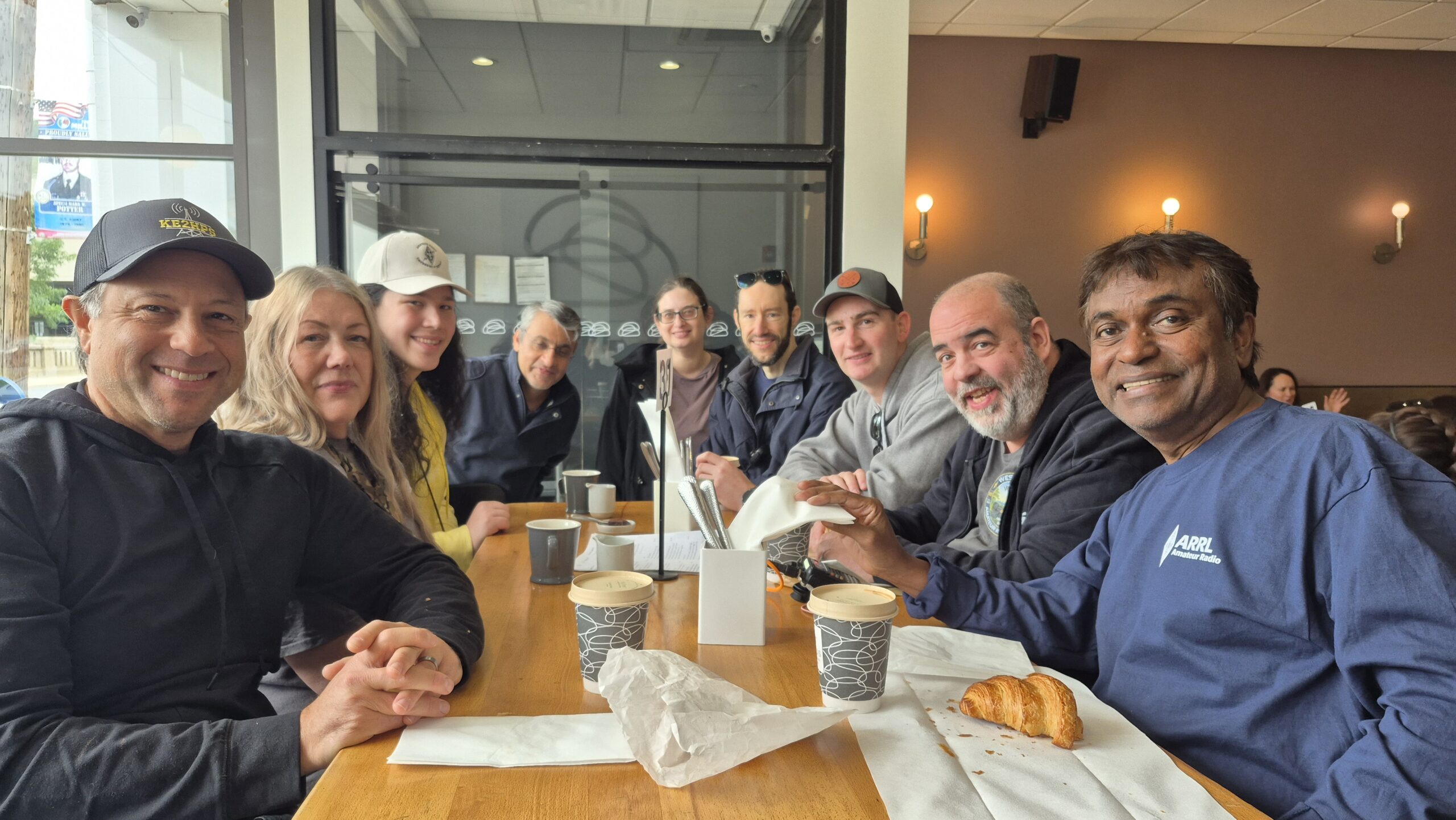
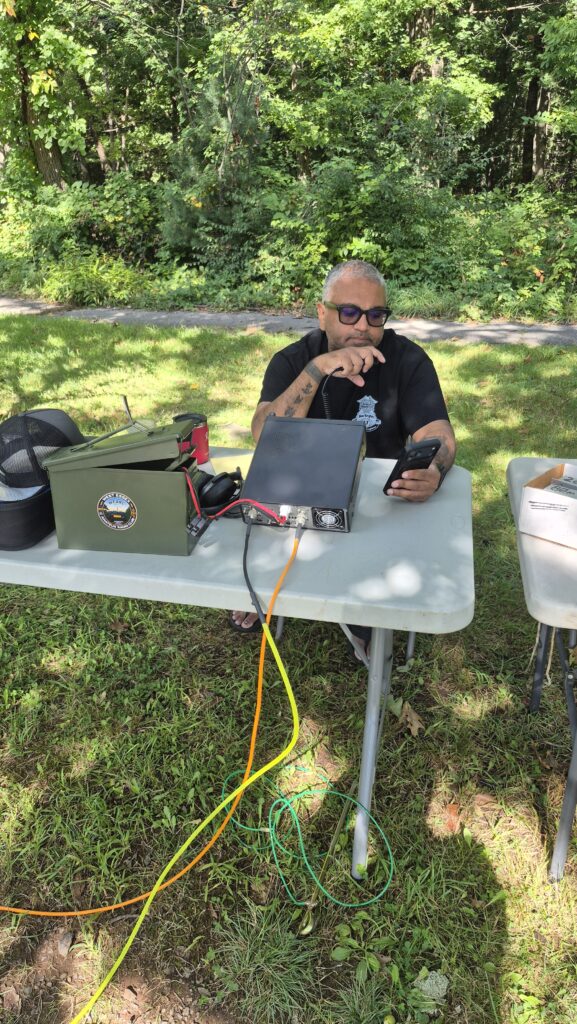
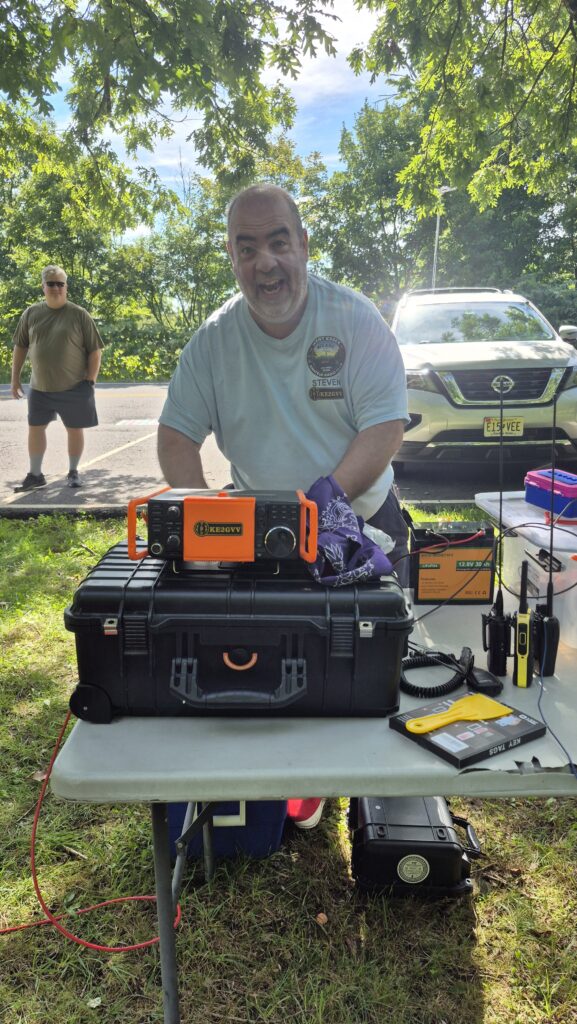
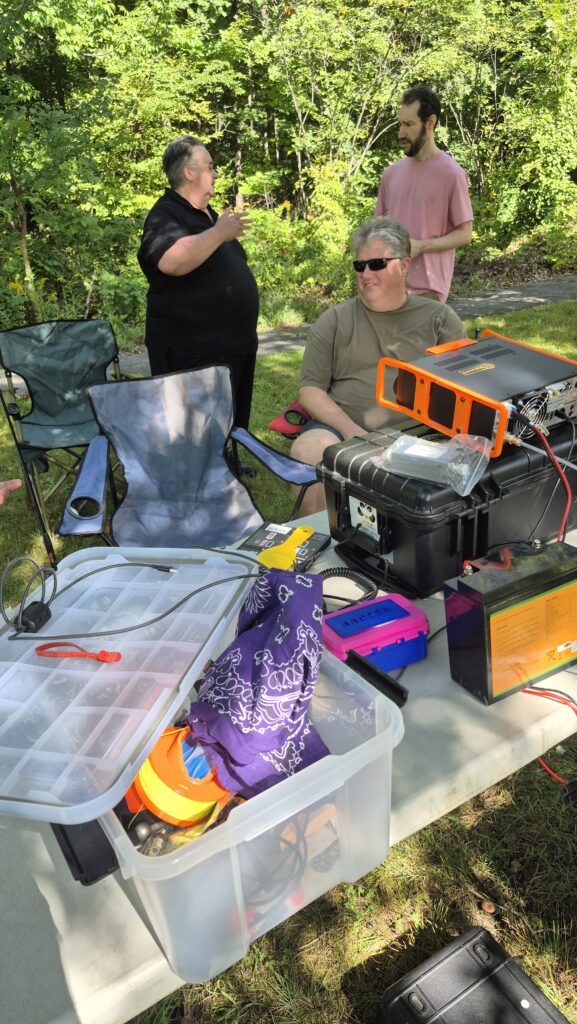
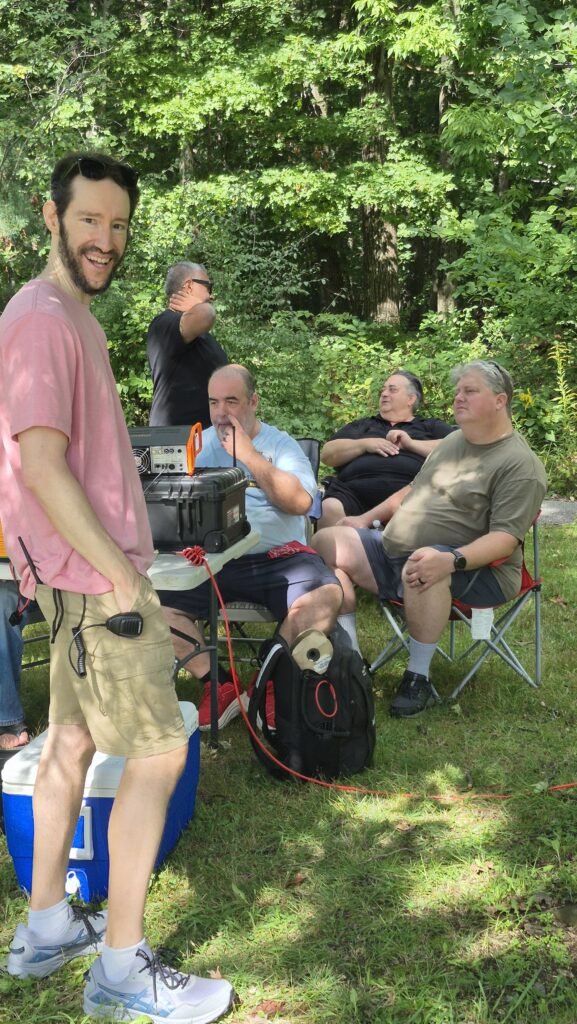
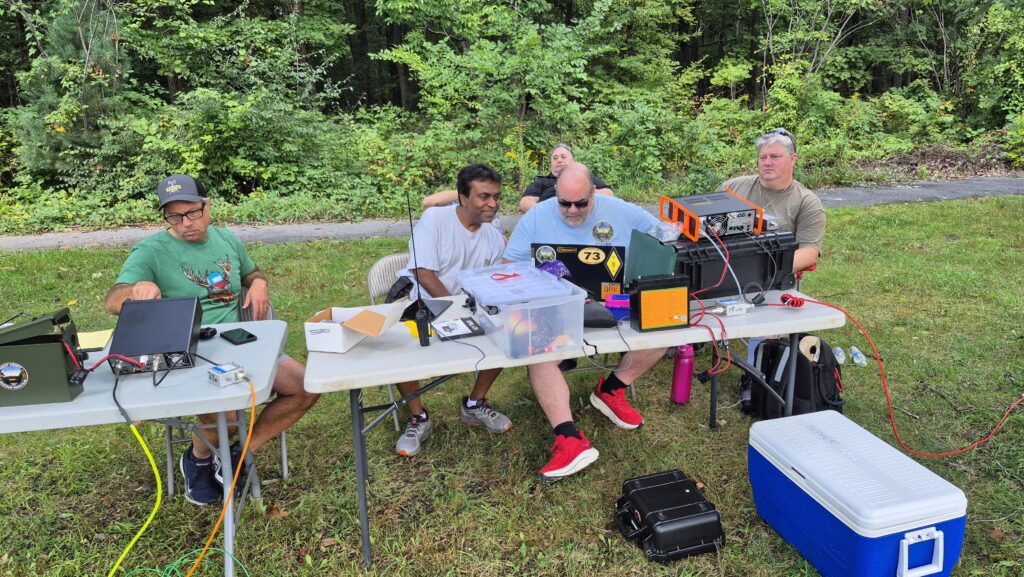
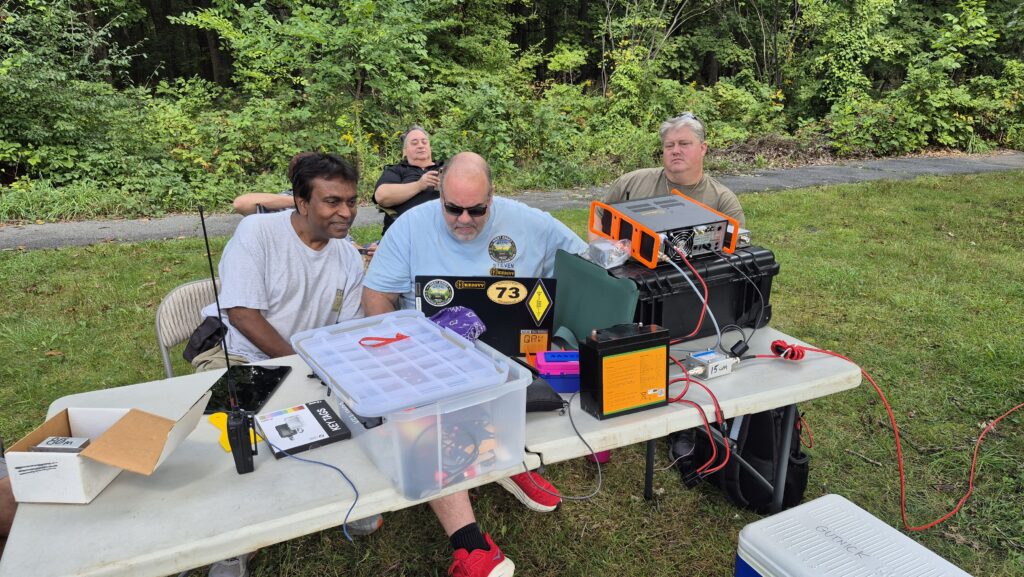
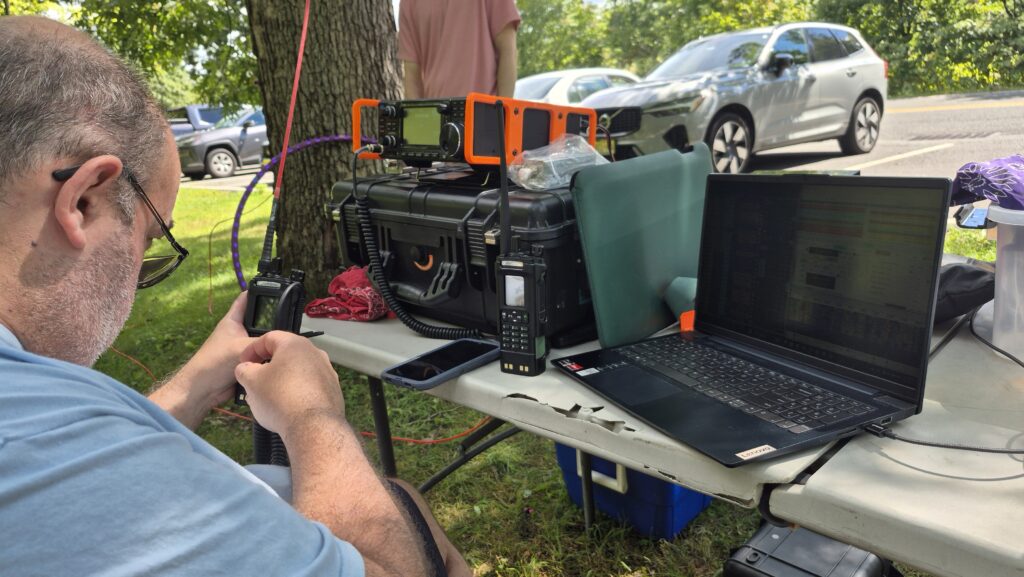
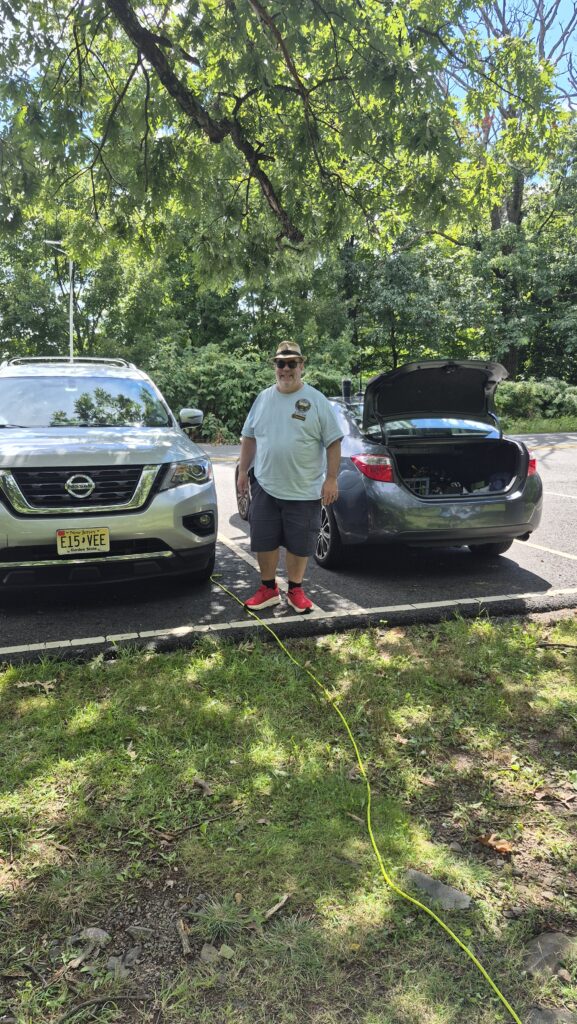
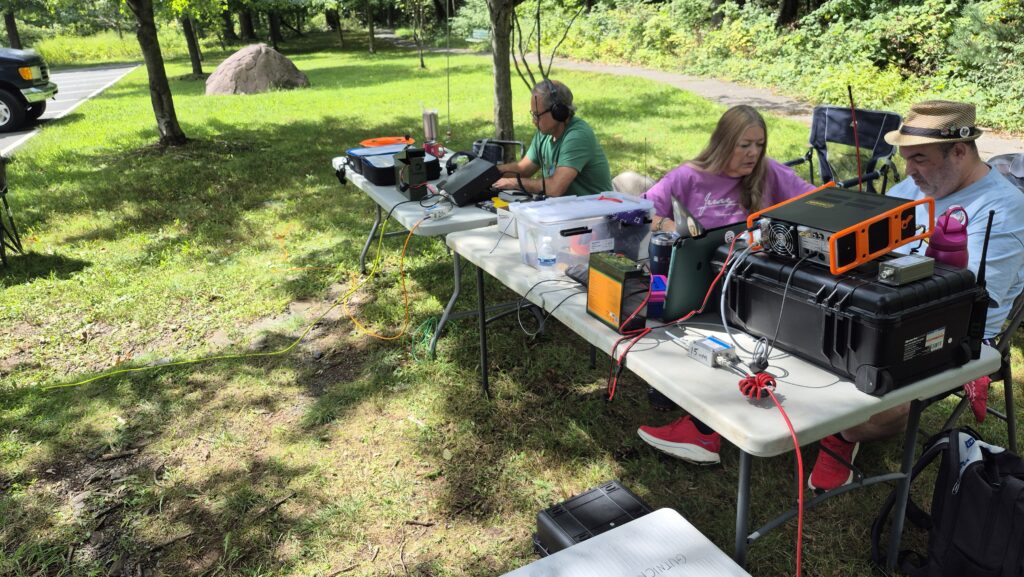
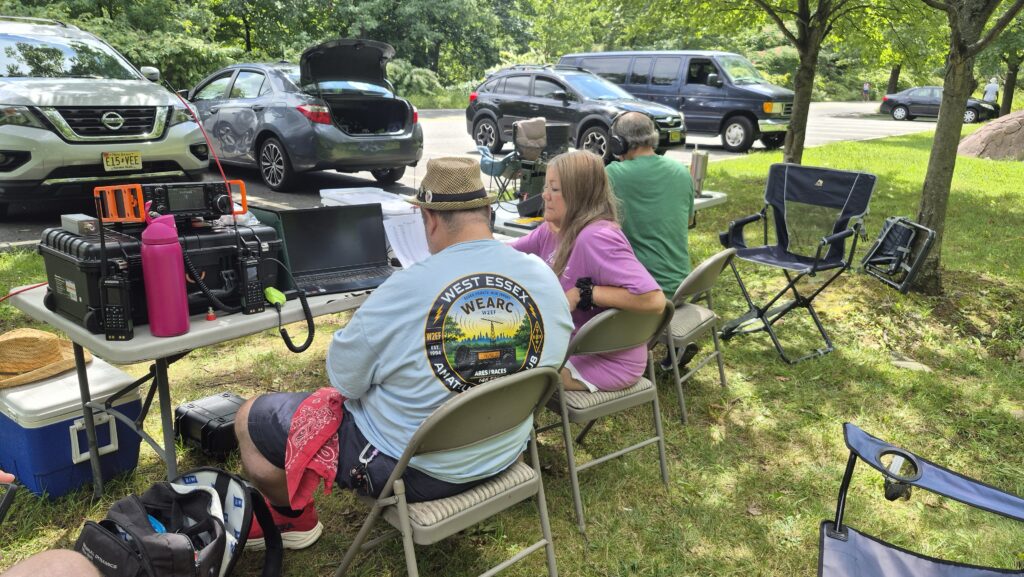
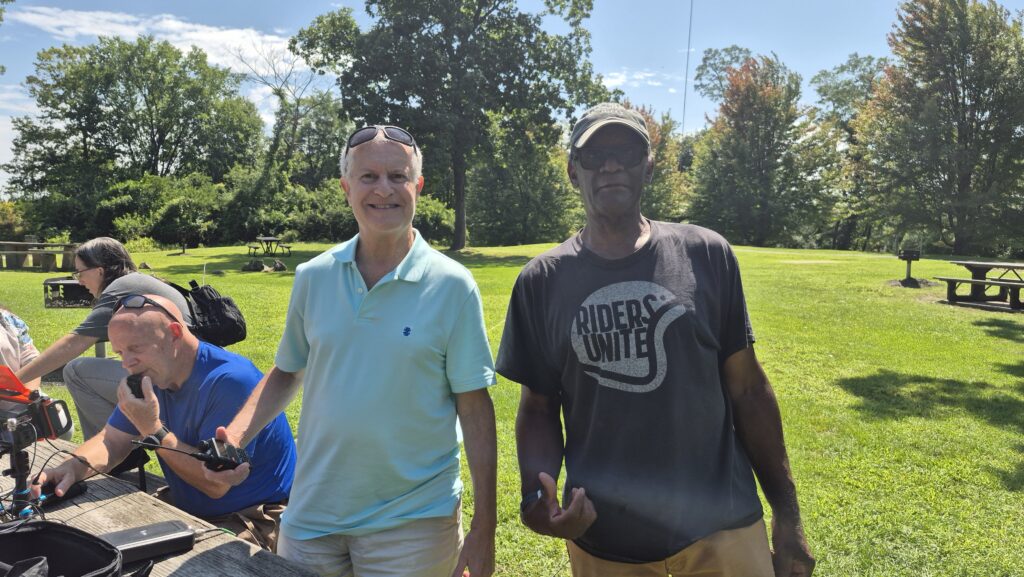
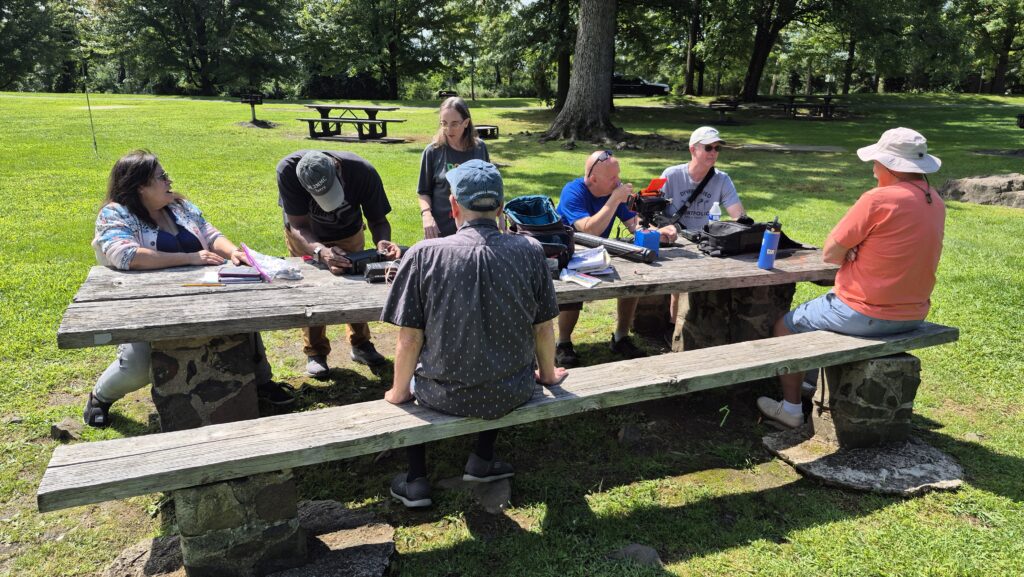
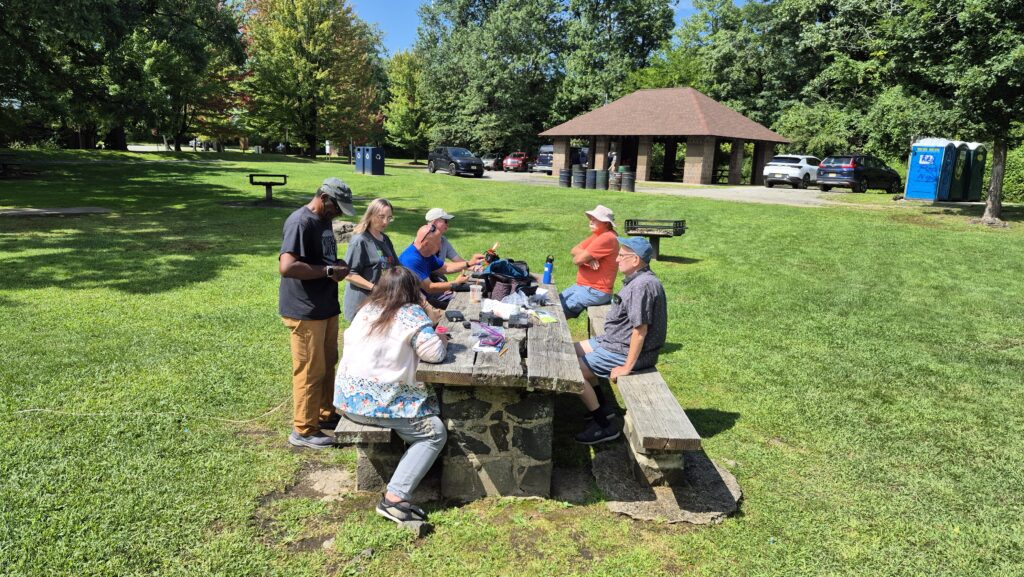
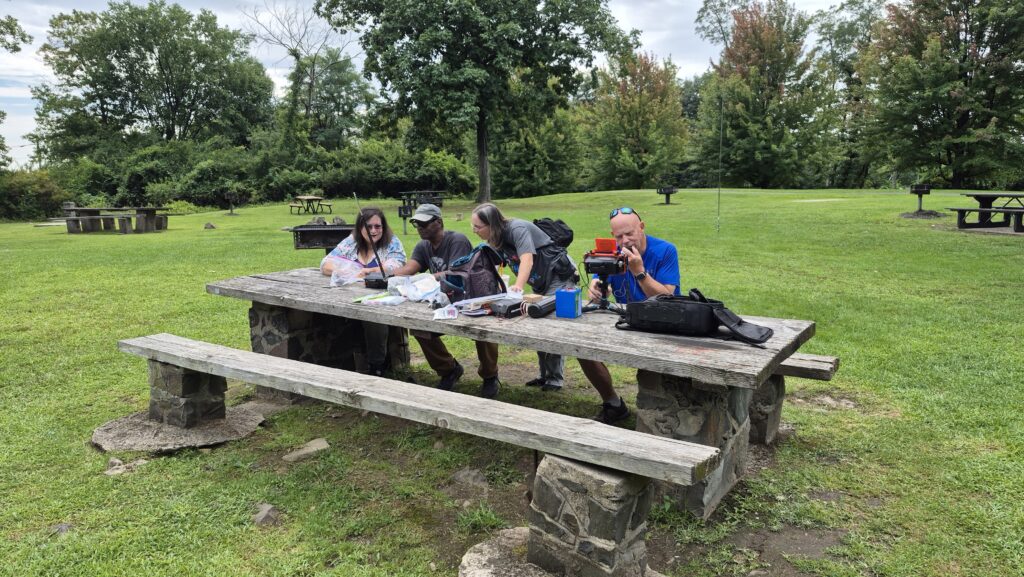
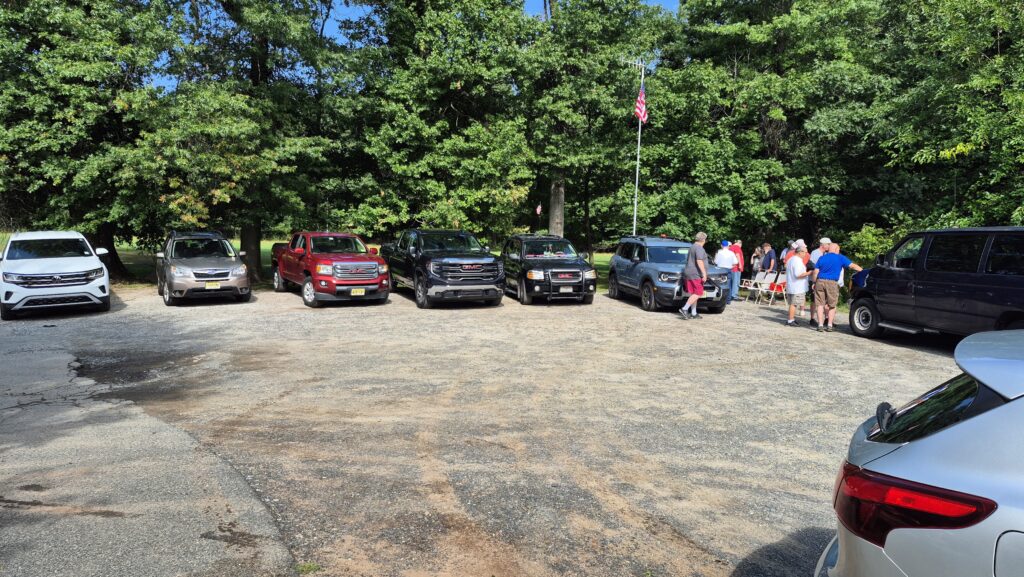
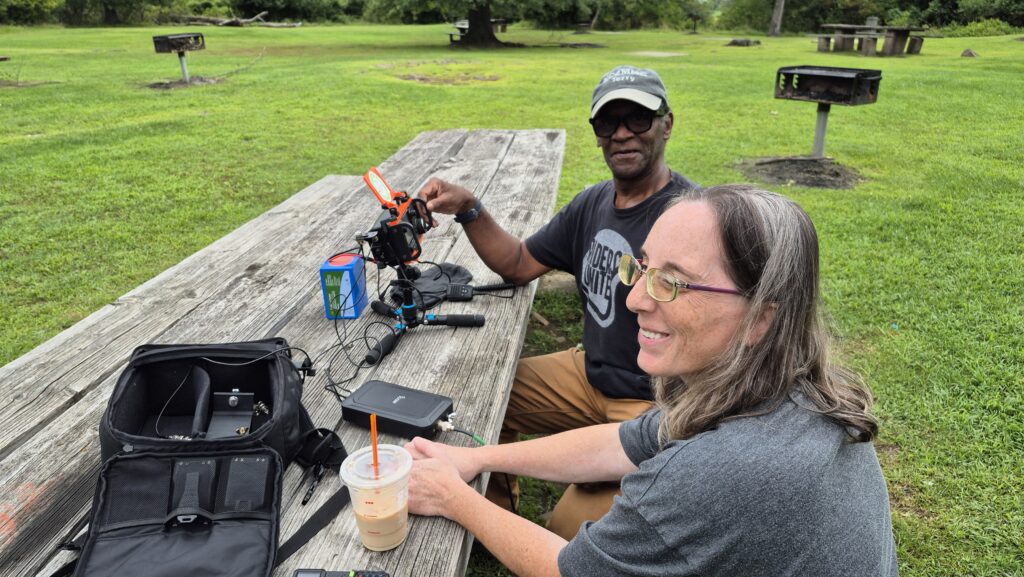
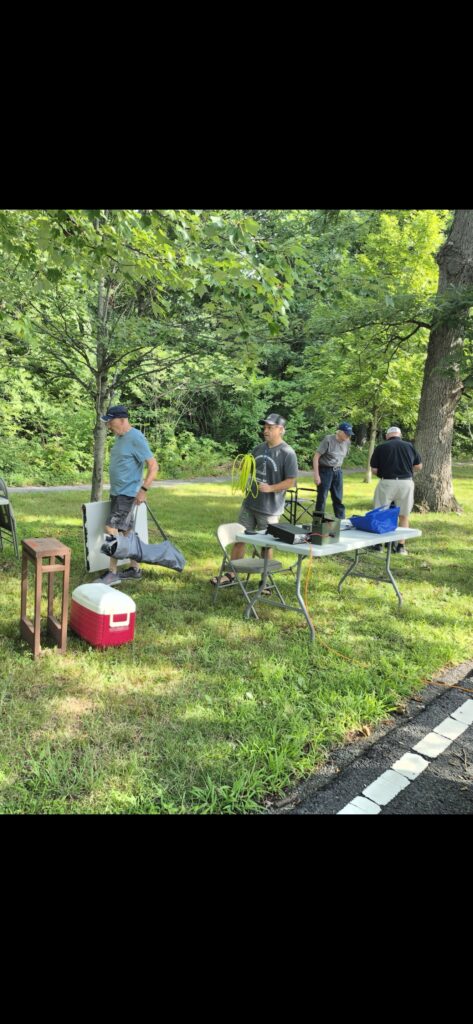
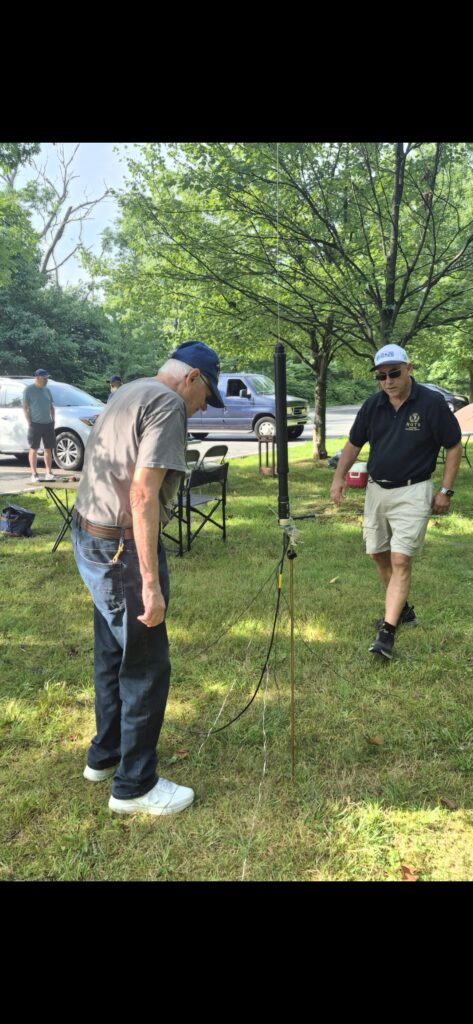
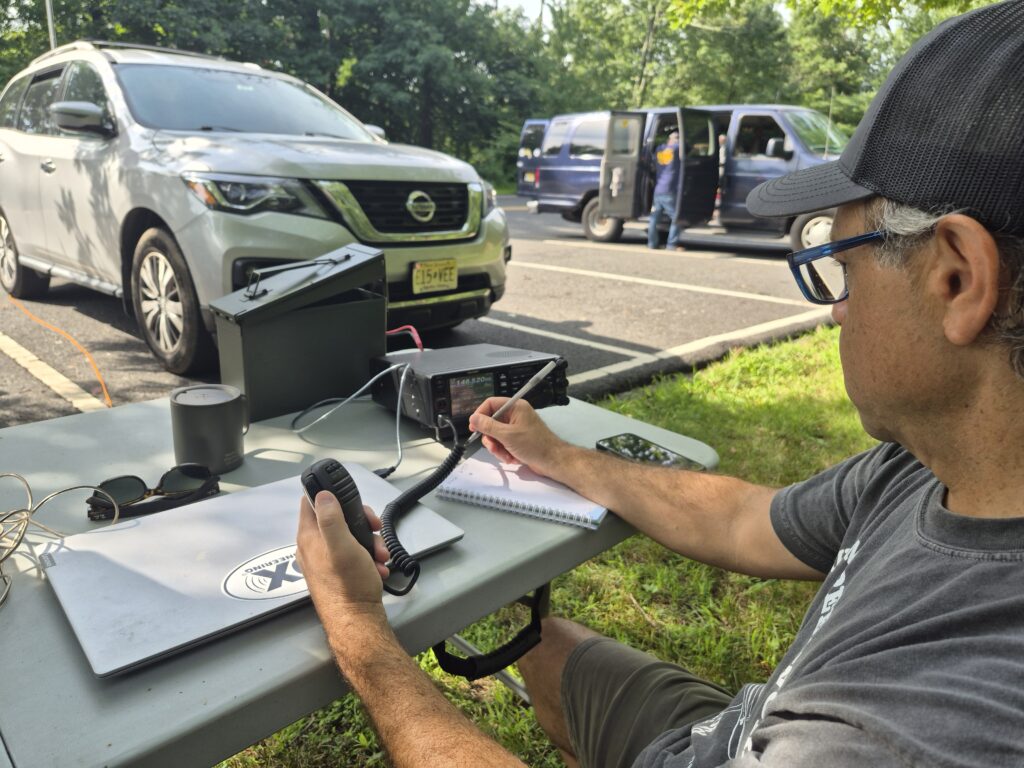
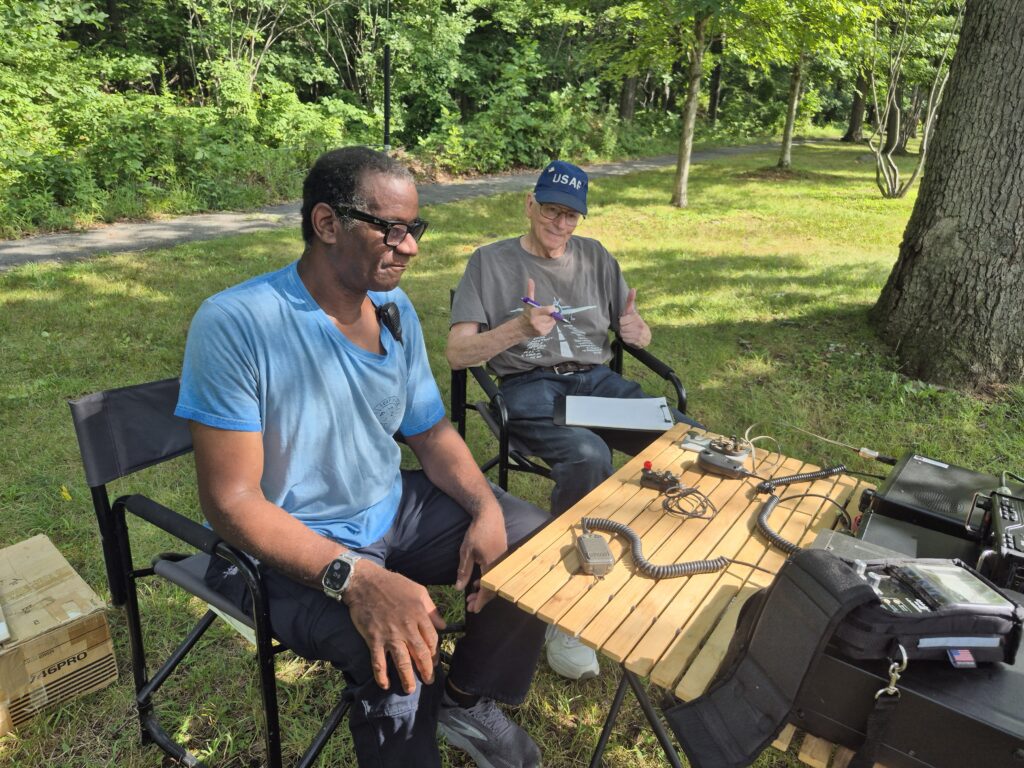
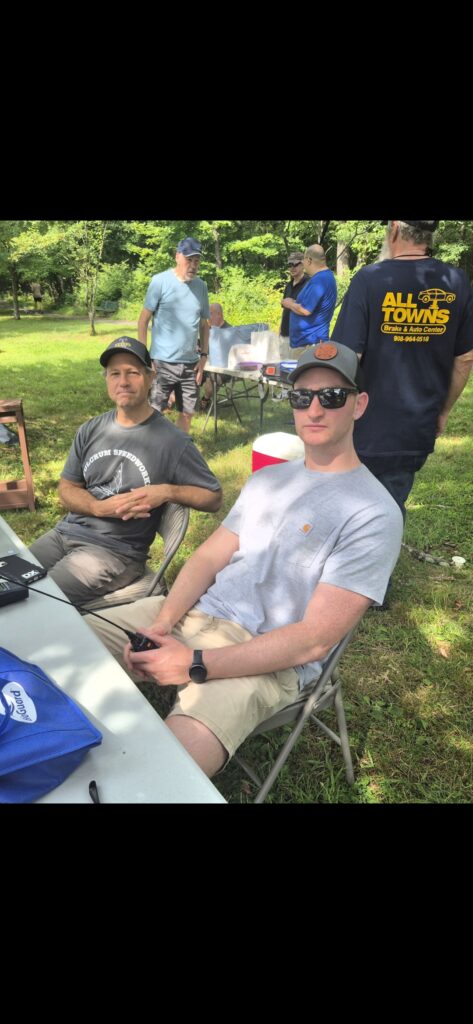
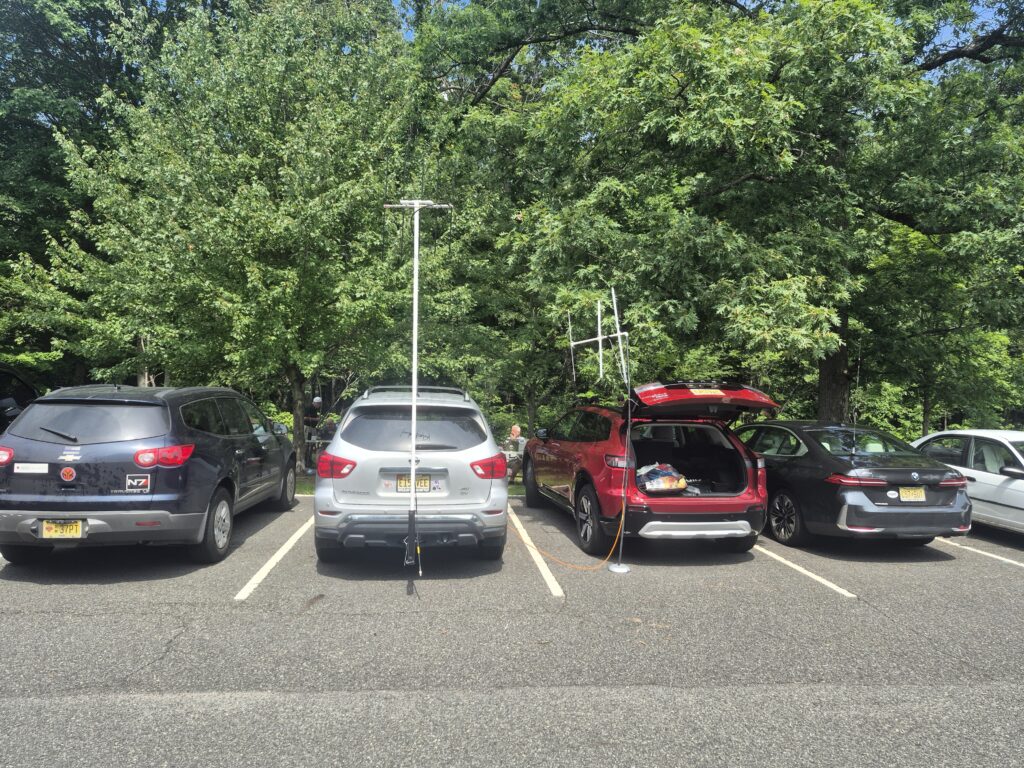
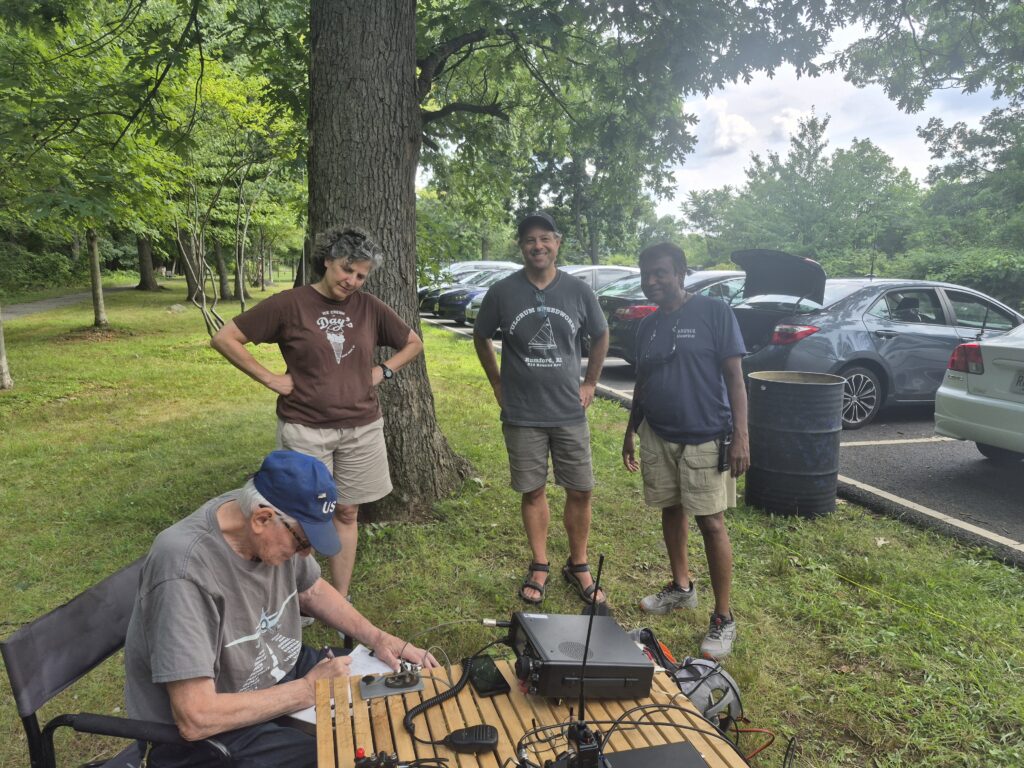
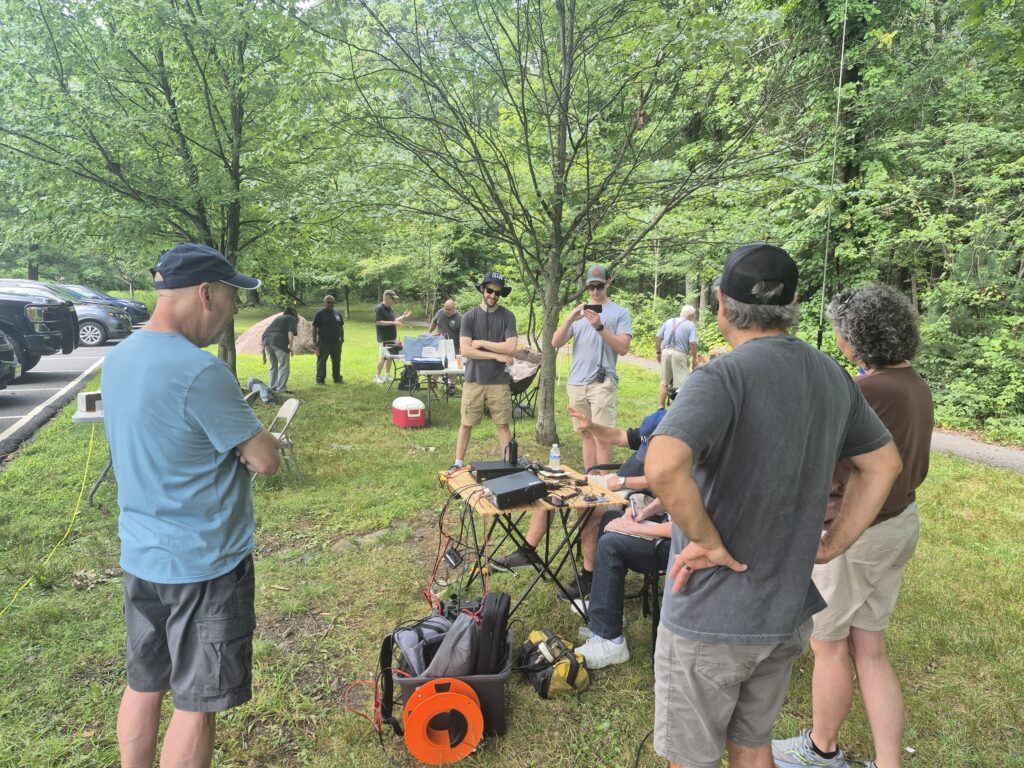
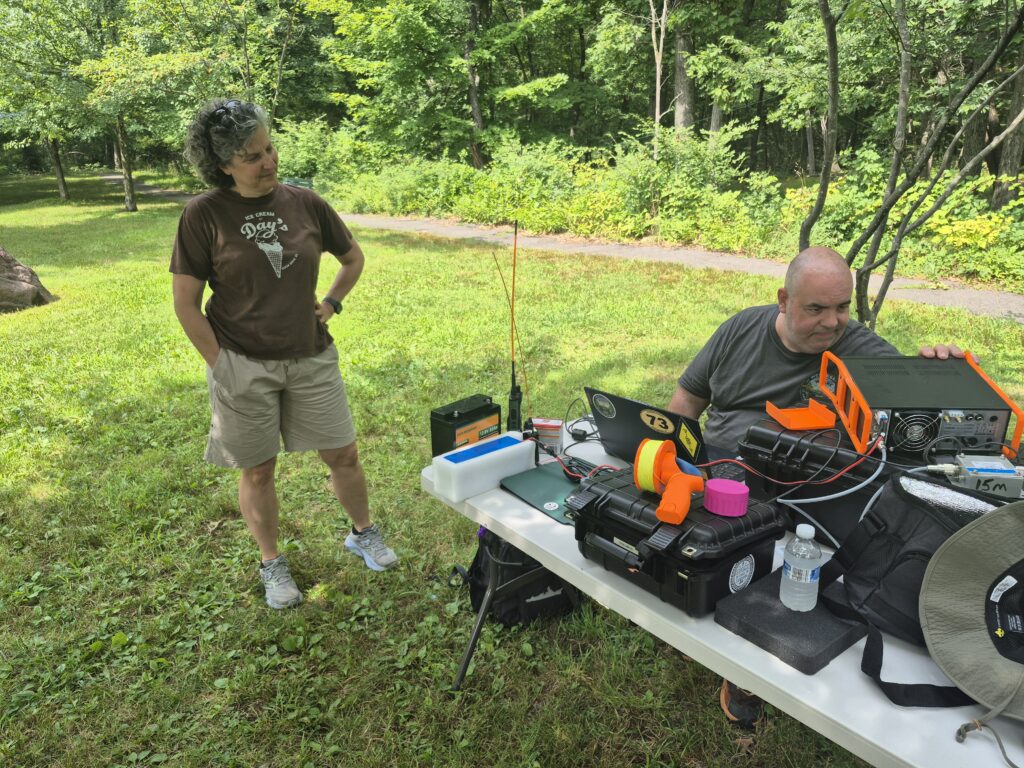
    On Saturday, May 16, 2026, from 9 AM to 1 PM ET, members of WEARC, Roseland ARC, NPARC, and other local amateur radio operators returned to Bramhall Terrace in South Mountain Reservation, Maplewood, New Jersey, for another morning of portable operating, technical experimentation, and fellowship.

    Following the success of the April meetup, many of the same operators gathered again, joined by several new participants. The objective remained straightforward: get outside, get on the air, test portable station setups, and enjoy time together as a local amateur radio community.

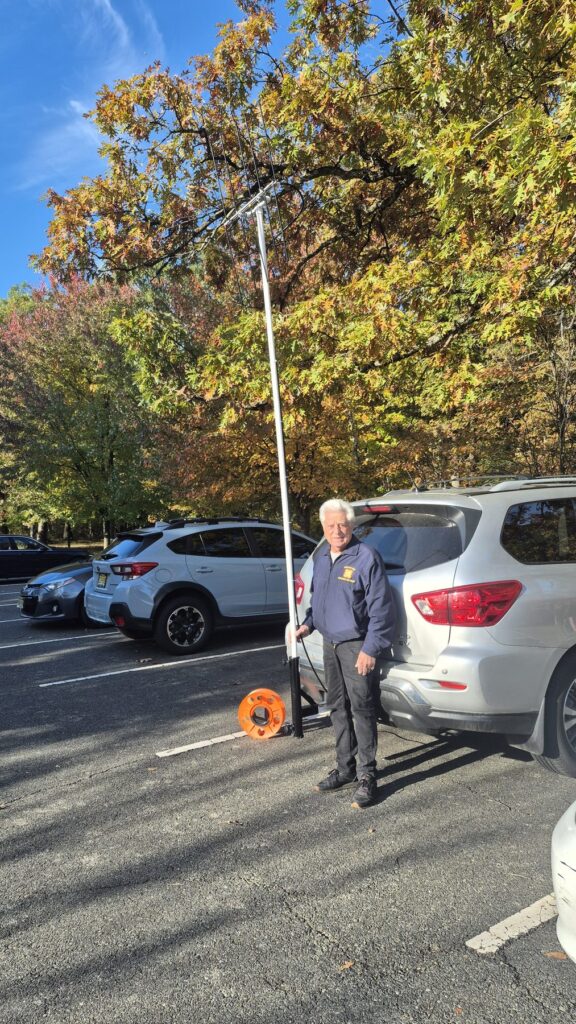
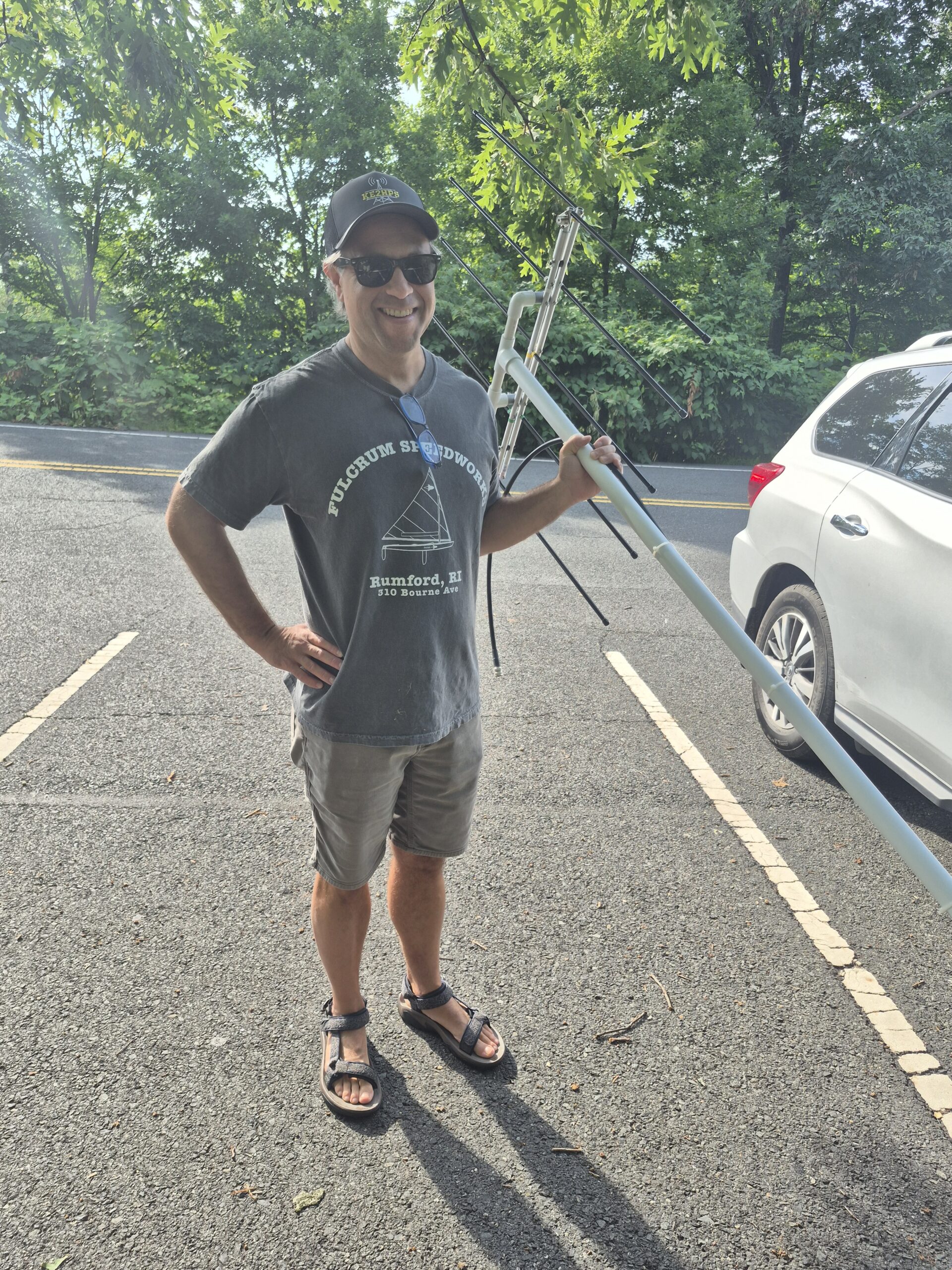
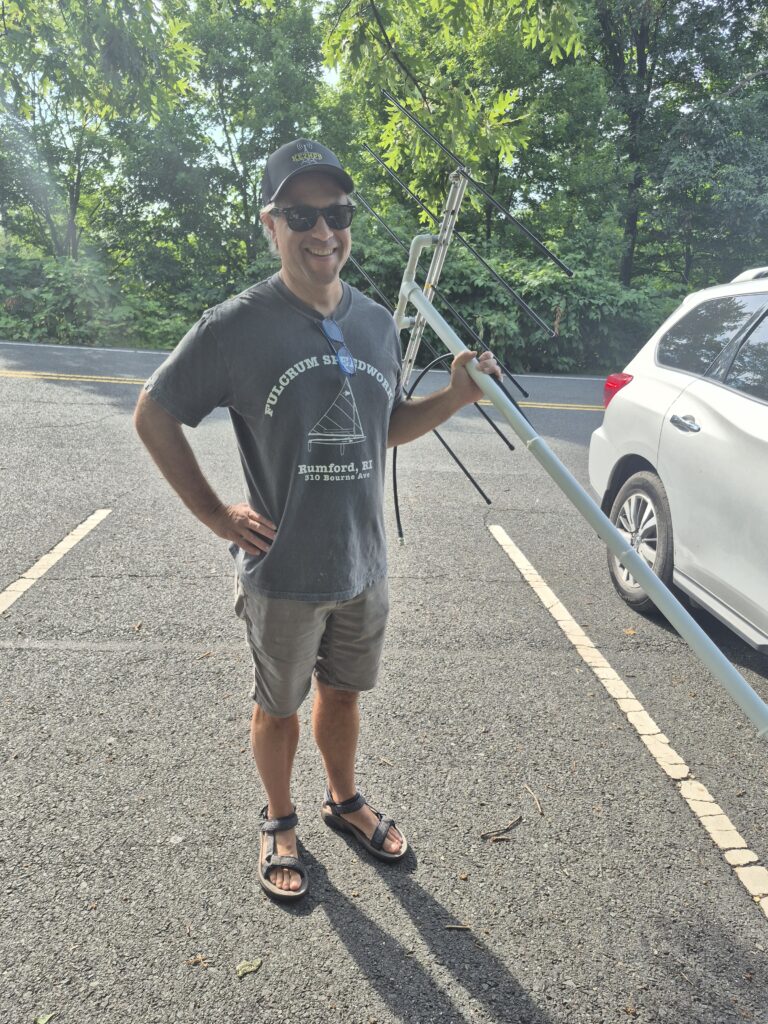
    This time, activity included HF phone operation on 17 and 20 meters, along with local VHF and UHF FM work on 2 meters and 70 centimeters. For VHF/UHF, operators used a directional log periodic antenna, which proved effective for making contacts across the New York City metropolitan area. On HF, contacts were made within the United States, along with one especially enjoyable contact to a Parks on the Air site in the United Kingdom.

    HF conditions were challenging. An active geomagnetic storm made the bands difficult, and 17 and 20 meters were not as productive as they might be under quieter solar conditions. Even so, the group was able to make successful contacts and gain useful experience operating under less-than-ideal propagation.

    The weather, fortunately, was outstanding. Clear skies, a light breeze, and temperatures in the mid-70s made for an excellent morning outdoors. Once again, the gathering was supported by generous hospitality, with Rich providing bagels and several operators supplying beverages for the group.

    Overall, the May event was another successful and enjoyable portable operating session. It brought together returning operators and new participants, provided a chance to test equipment in the field, and reinforced the value of informal group operating as both a learning opportunity and a community-building activity.

    The next major group operating event will be Field Day 2026, June 27th – 28th, hosted at the American Red Cross facility in Fairfield, New Jersey. Based on the energy and participation at both the April and May gatherings, it should be another excellent opportunity for local operators to get on the air together.

  • Repeaters: What They Are and How to Use Them (v2)

    Repeaters: What They Are and How to Use Them (v2)

    This article is an updated and modernized version of concepts presented in the ARRL document “Repeaters – what are they and how to use them”. The focus here remains traditional analog FM repeater operation.

    What Is an FM Repeater?

    VHF and UHF FM repeaters remain one of the easiest ways for new amateur radio operators to get on the air, meet local operators, participate in nets, and support public-service and emergency communications. Although newer digital and internet-linked systems are now common, traditional analog FM repeaters continue to be widely used and are an important part of amateur radio.

    A repeater receives a signal on one frequency and retransmits it on another frequency. Because repeaters are often located on towers, tall buildings, mountains, or other favorable sites, they can greatly extend the range of handheld, mobile, and fixed stations.

    The basic idea is simple: your radio transmits to the repeater, and the repeater retransmits your signal over a much wider area than your station could usually cover by itself.

    Simplex vs. Repeater Operation

    In simplex operation, two stations communicate directly on the same frequency. No repeater is involved. This is the simplest form of VHF/UHF FM communication.

    In repeater operation, your radio listens on the repeater’s output frequency and transmits on the repeater’s input frequency. The repeater receives your signal on its input and retransmits it on its output. This allows stations that might not be able to hear each other directly to communicate through the repeater.

    Repeater Output, Input, and Offset

    Repeaters use two frequencies:

    • Output frequency: the frequency the repeater transmits on and the frequency you listen to.
    • Input frequency: the frequency the repeater receives on and the frequency you transmit on.

    The difference between the input and output frequencies is called the offset or shift. The offset amount and direction vary by band and local band plan. On many 2-meter FM repeaters, for example, the standard offset is 600 kHz. On many 70-centimeter repeaters, the standard offset is 5 MHz.

    Repeater listings usually show the repeater’s output frequency, offset direction, and any access tone required. This article explains the operating concepts. Specific radio-programming steps vary by manufacturer and model.

    Access Tones: CTCSS, PL, and DCS

    Many FM repeaters require an access tone. The most common type is CTCSS, often called PL. Some repeaters use DCS. These tones help prevent a repeater from being activated by unwanted signals, interference, or distant stations using the same frequency pair.

    If the correct tone is not transmitted, the repeater may not respond even if you are on the correct frequency and using the correct offset.

    Tone access is not privacy. FM repeater communications are still public amateur-radio transmissions.

    Open and Closed Repeaters

    Many repeaters are open repeaters, meaning they are available for use by any properly licensed amateur operator who follows the repeater’s rules and good operating practice.

    Some repeaters are closed repeaters, meaning they are intended only for use by members of a specific group, organization, or authorized users. Closed repeaters are less common, but they may still exist. If you are unsure whether a repeater is open, check with the repeater sponsor, trustee, or local club before using it.

    Listen First

    Before transmitting on a repeater, listen for a while. Make sure the repeater is not already in use. Local operating customs can vary, and a few minutes of listening can tell you a lot about how the repeater is normally used.

    Listening first also helps avoid interrupting an ongoing conversation, a directed net, emergency traffic, or a public-service operation.

    Making Your First Repeater Contact

    If the repeater is quiet and you want to see if anyone is available, do not repeatedly call CQ as you might on HF. On most FM repeaters, simply identify and say that you are listening:

    W1AW listening.

    You may also say:

    W1AW monitoring.

    To call a specific station, give the other station’s call sign followed by your own:

    K1ABC, W1AW.

    To join an ongoing conversation, wait for a pause and give your call sign:

    W1AW.

    One of the stations already using the repeater should acknowledge you and give you a chance to speak.

    If you are testing whether you can access the repeater, identify properly and keep it brief:

    W1AW testing.

    Do Not Kerchunk

    Do not “kerchunk” a repeater by briefly pressing the push-to-talk button without identifying. Keying up a repeater without giving your call sign is improper and may violate identification requirements.

    If you want to test whether you can access the repeater, identify and say “testing.”

    W1AW testing.

    Calling CQ on Repeaters

    Calling CQ is common on HF, but it is usually unnecessary on local FM repeaters. A simple call sign followed by “listening” or “monitoring” is normal practice in many areas.

    Local custom may vary. If experienced local operators use a particular style on a repeater, follow the local practice as long as it is consistent with good amateur procedure.

    Repeater Etiquette

    Repeaters are shared resources. Good operating habits make them more useful for everyone.

    • Listen before transmitting.
    • Identify with your call sign.
    • Keep transmissions reasonably short.
    • Leave a pause between transmissions.
    • Acknowledge stations that try to enter the conversation.
    • Do not monopolize the repeater.
    • Follow the instructions of the repeater trustee, control operator, or net control station.

    During nets, severe weather, public-service events, emergencies, or periods of heavy use, keep transmissions especially brief and leave room for priority traffic.

    Courtesy Tones, Pauses, and Time-Out Timers

    Many repeaters transmit a short courtesy tone after a user stops transmitting. This tone often indicates that the repeater is ready for the next station. Even if a repeater does not have a courtesy tone, it is good practice to leave a short pause before transmitting.

    Pausing between transmissions gives other stations a chance to enter the conversation. It also allows emergency or priority traffic to break in.

    Most repeaters also have a time-out timer. If one transmission continues too long, the repeater may shut down temporarily to protect the equipment and prevent continuous interference. Keep transmissions concise and release the push-to-talk button periodically.

    Identification

    Amateur stations must identify with their FCC-issued call sign at the end of a contact and at least every 10 minutes during a communication.

    You do not need to give the call sign of the station you are talking to, although doing so is common when calling another station or passing a transmission to someone else. The important requirement is that you identify your own station properly.

    Plain Language Is Best

    Use plain language on FM repeaters. If you want to know someone’s location, ask where they are. If you want to know what kind of radio they are using, ask directly.

    Q-signals and radio shorthand have their place, especially in CW and some HF operating, but clear plain language is usually best on local FM repeaters.

    Linked FM Repeaters

    Some analog FM repeaters are linked to other repeaters or internet-connected systems. Examples may include RF-linked repeater networks, EchoLink, AllStarLink, IRLP, or other linking technologies.

    On linked systems, leave a slightly longer pause between transmissions. Key the microphone, wait a moment, and then begin speaking. This helps prevent the first word or two from being cut off and gives other stations time to enter the conversation.

    Avoid rapid back-and-forth exchanges on large linked systems. A short pause helps the system operate more smoothly and gives distant stations a fair chance to participate.

    A Note About Digital Voice and Hotspots

    This guide focuses on traditional analog FM repeaters. Many amateur radio operators also use digital voice systems such as DMR, D-STAR, System Fusion, P25, or NXDN. Some operators also use personal hotspots.

    Those systems may require additional settings such as talkgroups, reflectors, rooms, modules, color codes, time slots, RANs, or NACs. They have their own operating procedures. Even so, the basic habits described here still matter: listen first, identify properly, leave pauses, and be courteous.

    Nets on Repeaters

    Repeaters are often used for nets. A net is an organized on-air gathering, usually directed by a net control station. Nets may be used for club announcements, training, emergency communications practice, weather reporting, public-service events, or general check-ins.

    During a directed net, listen to the net control station and follow instructions. Check in when invited, give your call sign clearly, and keep comments brief unless asked for more detail.

    Do not interrupt a net unless you have emergency or priority traffic.

    Emergency and Priority Traffic

    For emergency or priority traffic, be clear and direct. State your call sign, location, the nature of the emergency, and what assistance is needed.

    “Break break” is commonly used to indicate emergency traffic. Do not use it casually.

    Break break, W1AW with emergency traffic.

    If you hear emergency traffic, stop transmitting unless you are directly involved or able to help. Allow the station with emergency traffic to communicate. If appropriate, help relay the information to the proper authorities.

    In a life-threatening emergency, use 911 or other public-safety channels when available. Amateur radio can be very useful, but it does not replace normal emergency services.

    Moving to Simplex

    If two stations can hear each other directly, consider moving from the repeater to a simplex frequency. This leaves the repeater available for stations that need it.

    One way to check whether simplex might work is to listen on the repeater input frequency. If you can clearly hear the other station on the repeater input, you may be close enough to communicate directly on simplex.

    Use a frequency designated for FM simplex operation. Always listen first and follow your local band plan.

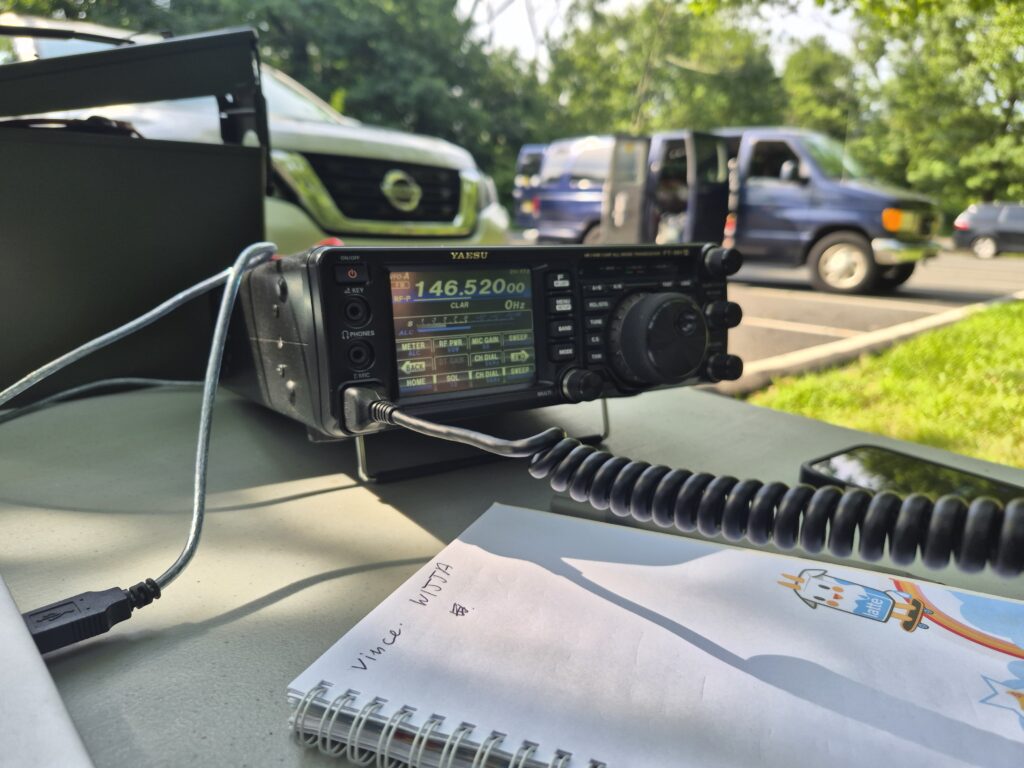
    The 146.520 MHz Calling Frequency

    The national 2-meter FM simplex calling frequency is 146.520 MHz. It is useful for making initial contact, especially while traveling or monitoring for nearby activity.

    Extended rag-chewing is not encouraged on 146.520 MHz. If a conversation is likely to continue, move to another appropriate simplex frequency after making contact.

    Finding Repeaters

    Repeater information can be found through local clubs, repeater sponsors, frequency coordinators, and online repeater directories. Because repeater listings can become outdated, verify the frequency, offset, tone, mode, and access rules before assuming a repeater is active and open for general use.

    Local amateur radio clubs are often the best source of practical information. Club members can tell you which repeaters are active, which nets are beginner-friendly, and what local operating customs are common in your area.

    Common FM Repeater Mistakes

    • Transmitting without listening first.
    • Using the wrong offset direction.
    • Using the wrong access tone.
    • Speaking too quickly after pressing push-to-talk.
    • Not leaving a pause between transmissions.
    • Making long transmissions that hit the time-out timer.
    • Calling CQ repeatedly on a local FM repeater.
    • Kerchunking without identifying.
    • Forgetting to identify every 10 minutes and at the end of a contact.
    • Using 146.520 MHz for extended rag-chewing instead of moving to another simplex frequency.

    Final Thoughts

    FM repeaters are one of the most accessible parts of amateur radio. They help new operators get on the air, support local communication, and provide a place for training, nets, public-service activity, and emergency communications.

    The best way to learn is to listen, identify properly, keep transmissions courteous, and participate. With a little practice, repeater operation becomes natural, and it opens the door to a much larger amateur radio community.

  • South Mountain Reservation: Activation & Meet Up

    South Mountain Reservation: Activation & Meet Up

    South Mountain Reservation: Activation & Meet Up

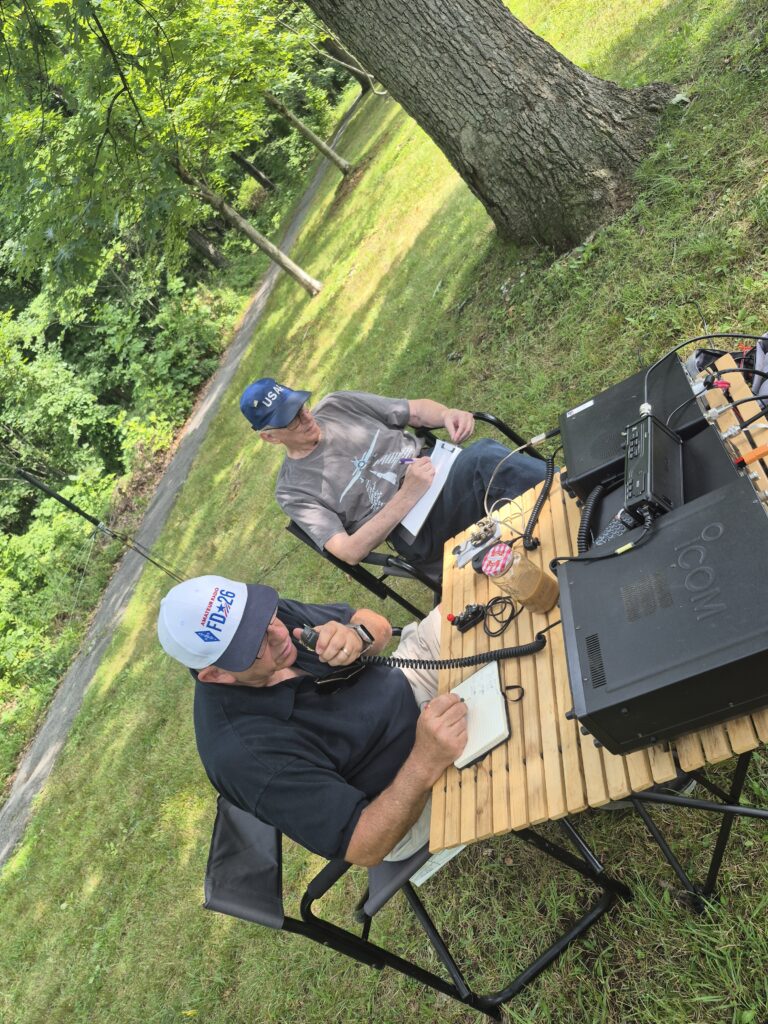
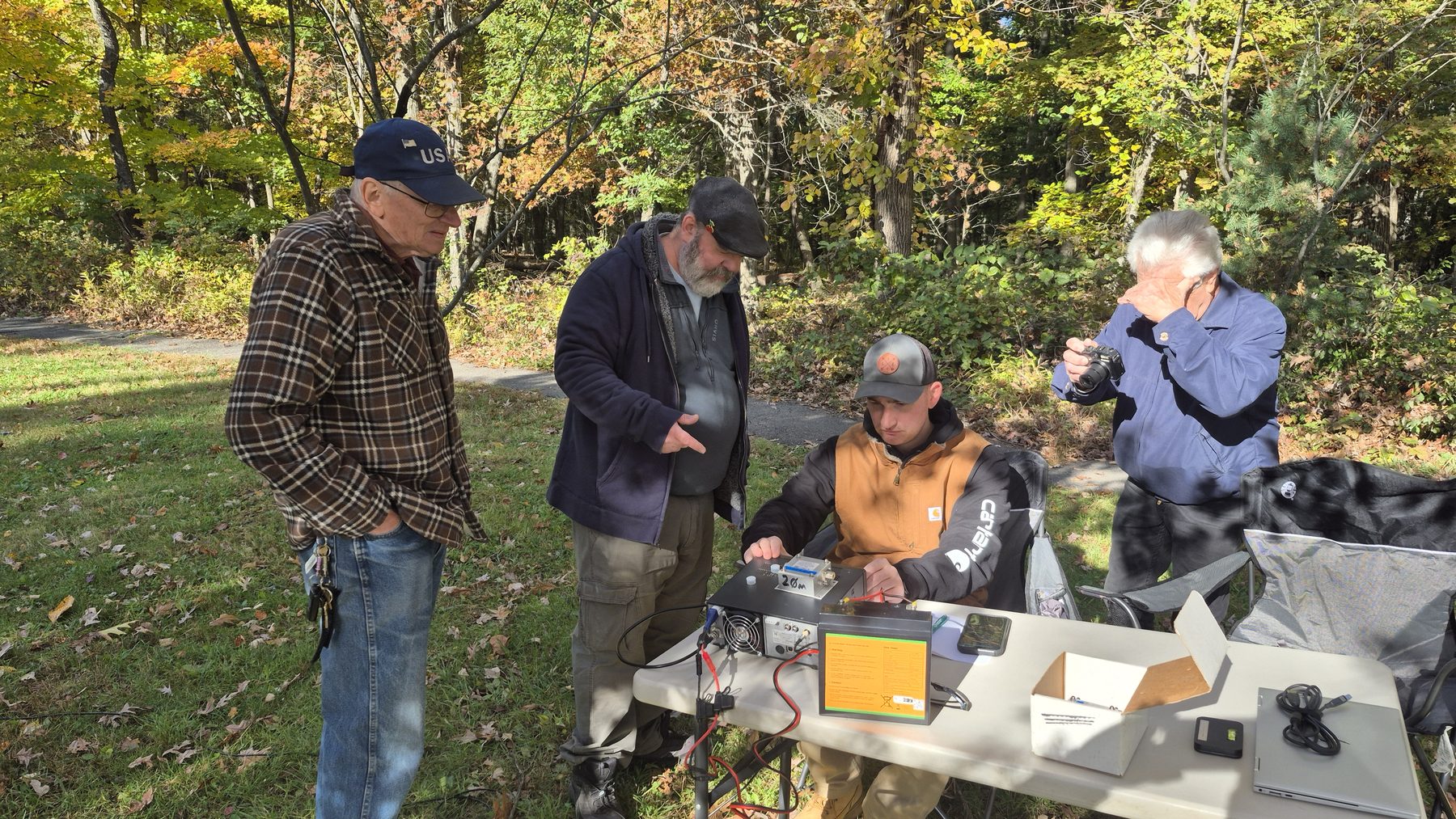
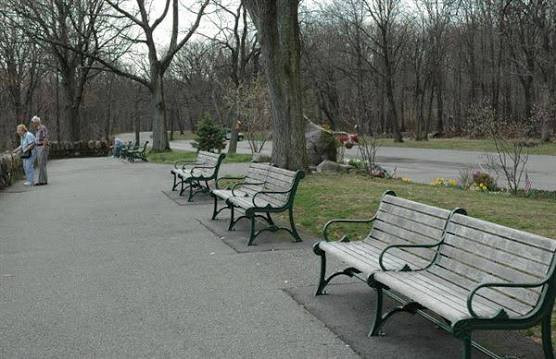
    On Saturday, April 18, 2026, from 9 AM to 1 PM ET, members of WEARC, Roseland ARC, NPARC, and other local operators gathered at Bramhall Terrace in South Mountain Reservation, Maplewood, New Jersey, for a morning of radio, friendship, and portable HF operating.

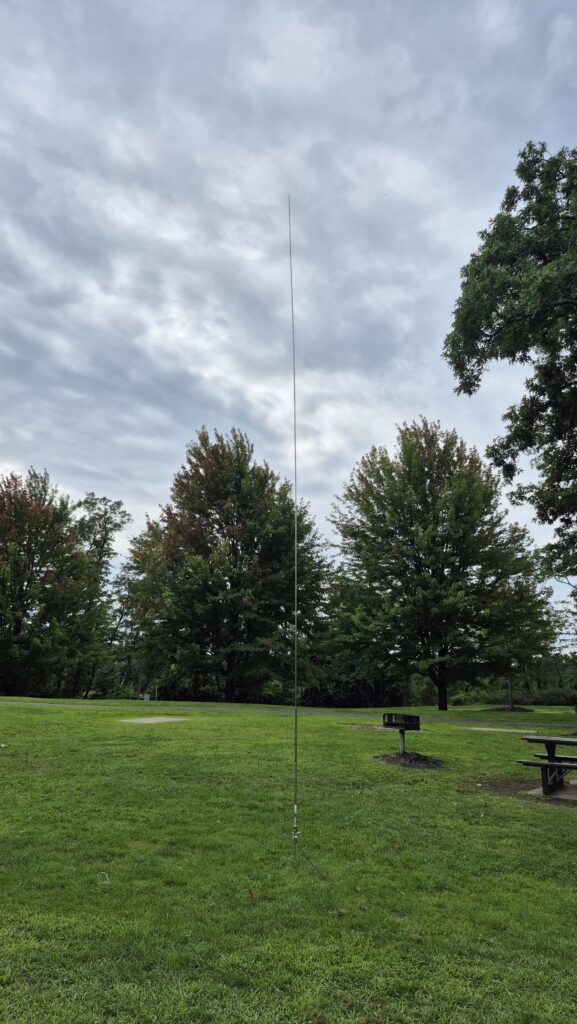
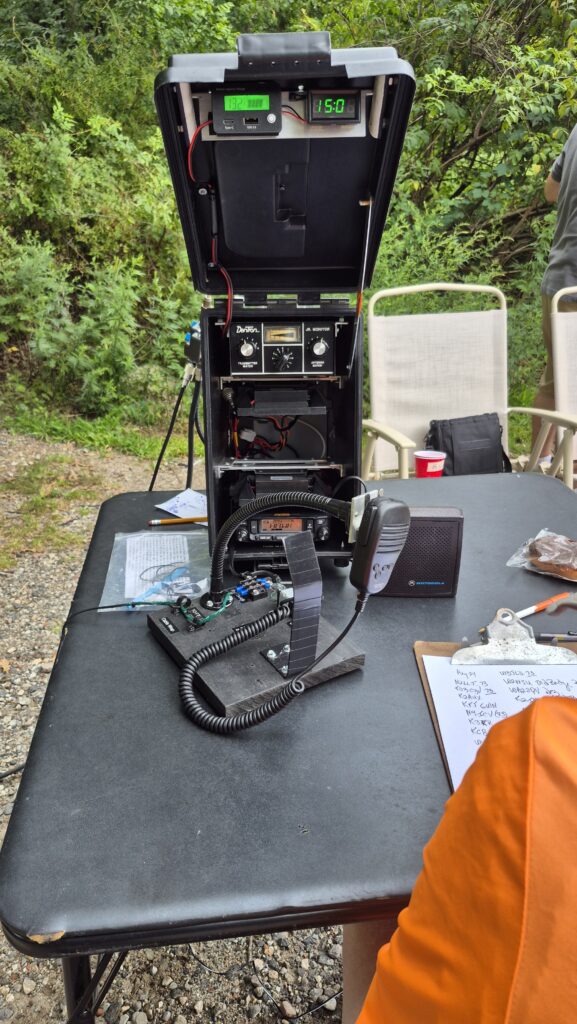
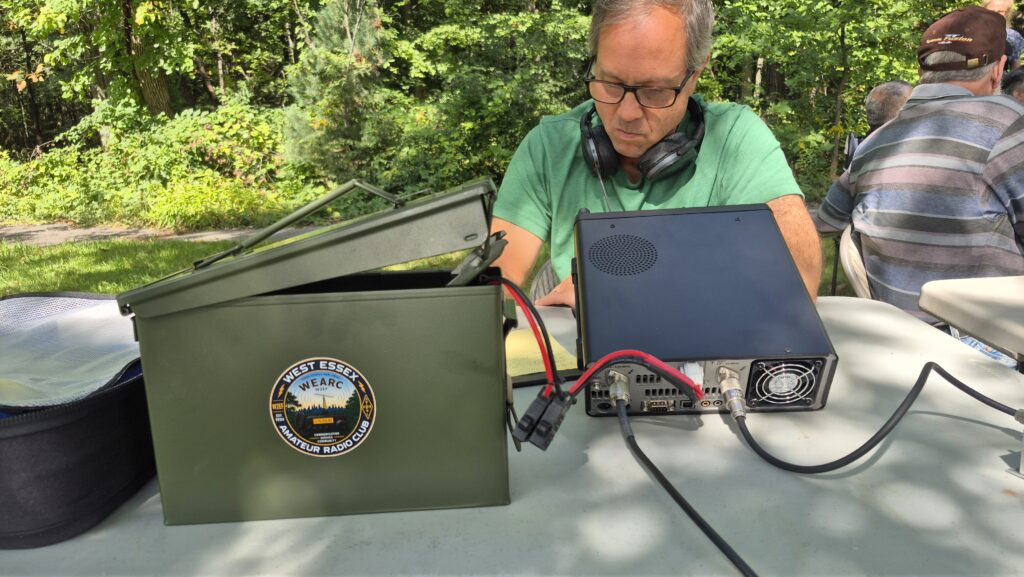
    The goal of the meetup was simple: enjoy time together outdoors while practicing portable field HF operations. Two separate operating positions were set up, each with its own table, using two 100-watt modern HF stations powered by battery. Operators had multiple antenna choices available, including quarter-wave verticals for 20 and 40 meters, along with an end-fed half-wave antenna supported up in the trees.

    Weather conditions could not have been much better. With temperatures in the mid-60s, sunny skies, and a light wind, it was an outstanding day to be outside and on the air. Band conditions were fair, but still good enough to support ionospheric propagation in the 400 to 1,500 mile range on both 20 and 40 meter phone. Contacts were successfully made along the U.S. East Coast and into Canada.

    The event was also made even better by some generous hospitality. Rich provided bagels and coffee, while Maurice supplied bottled water for the group.

    Overall, it was a successful activation and a great opportunity to combine operating, experimentation, and social time with fellow hams. Based on the success of this activity, we are already looking forward to the next gathering, perhaps in about a month, for another enjoyable morning of portable operating and fellowship.

  • FT8 Presentation

    FT8 Presentation

    Several WEARC members joined our seminar series on FT8, presented by N1UGK. The presentation was over zoom with lively discussion with participants.

    Whether you have never operated FT8 or have some experience with FT8, this presentation appeals to all audiences.

    If you are interested in viewing the presentation, the recording is posted below.

    Be sure to check our website often for updates on future presentations.

    FT8 with WEARC
  • Grover Cleveland Birthplace – WEARC Activation

    Grover Cleveland Birthplace – WEARC Activation

    Signal and Presidency: Amateur Radio Marks a Birthday in Caldwell

    Grover Cleveland was born on March 18, 1837, in a small frame house on what is now Bloomfield Avenue in Caldwell, New Jersey. On Saturday, March 21st, a group of amateur radio operators will gather at that same address to mark the occasion — setting up two HF stations and spending the day in contact with stations across the country and beyond. The connection between a nineteenth-century president and a morning of shortwave radio is less obvious than it sounds, but more interesting.

    Cleveland came into the world in a town small enough that a Presbyterian minister’s family was a local institution in itself. His father, the Reverend Richard Cleveland, ran his parish with the kind of sober industriousness that provincial New Jersey rewarded. The family didn’t stay long — they moved north to upstate New York while Grover was still young — but the birthplace stuck, the way birthplaces do, as a fixed point from which a life can be measured. He became, eventually, the first man to serve two non-consecutive terms as president — the 22nd and the 24th, with Benjamin Harrison in between — and was remembered as a man of stubborn honesty in an age when that quality was rarer than it should have been.

    What tends to be forgotten is that Cleveland governed during the years when American communications began to harden from improvisation into infrastructure. The telegraph had already remade the country once. Now the undersea cables were threading the ocean floors, the telephone was finding its way into offices and homes, and the question of who would protect these systems — and how — had become genuinely urgent. Cleveland signed the Submarine Cable Act in 1888, which recognized in law what common sense had already established in practice: that long-haul communications links were not luxuries but lifelines, and that their disruption was a matter of public consequence. A year earlier, he had appointed Adolphus Greely as Chief Signal Officer of the Army, lending institutional weight to the proposition that disciplined, reliable communication was something the country had an obligation to sustain.

    Cleveland was no radio man. He lived just long enough to share an era with the first broadcasts — dying in 1908, about a year and a half after the Christmas Eve 1906 transmission often credited to Reginald Fessenden as an early broadcast of voice and music — but there is no reason to think the new medium registered for him as anything more than a curiosity, if it registered at all. What mattered to him was the infrastructure already in place: the cables, the wires, the institutions built around them. But it does make the choice of his birthplace for a special event station something more than sentiment.

    The house itself has been in careful hands for over a century. The Grover Cleveland Birthplace Memorial Association was founded in 1913 — the same year the building first opened to the public as a museum — and has worked ever since to preserve both the structure and the story it contains. The state of New Jersey took over its administration in 1934, and the site is today managed by the Division of Parks and Forestry, with the Association continuing as an active partner. It is listed on the National Register of Historic Places, holds one of the largest collections of Cleveland papers and artifacts in the country, and remains the only house museum in America dedicated solely to his life.

    The West Essex Amateur Radio Club will operate under the call sign W2EF from half past eight in the morning until five in the afternoon, and the public is invited — licensed or not. What they’ll find, if they stop in, is a pair of HF stations reaching out to other operators around the world, each exchange a brief handshake between licensed operators who share a common discipline. The operators will be logging contacts, working the bands, and answering questions from anyone curious enough to ask. The skill required to put a signal on the air and bring one back belongs to the same family as the discipline the telegraph and cable operators of Cleveland’s era cultivated over years at the key.

    That is the thread connecting a nineteenth-century president to a Saturday afternoon in Caldwell. America has always depended, in the end, on people who understood that communication across distance is not magic — it is engineering, and patience, and the willingness to learn a system thoroughly enough to trust it. Cleveland’s era was absorbing that lesson at the national scale. On the 21st, in the town where he was born, it will be on display again.


    The event is free and open to the public. The Grover Cleveland Birthplace Historic Site is at 207 Bloomfield Avenue, Caldwell, New Jersey. Doors open at 8:30 AM.

  • Our New Site is Live!

    We have migrated our site to a new host and new publishing platform. We are in the process of validating the content and features. If you have any issues with the site, check back soon and we will likely have it corrected.