Amid Chilly Skies, WEARC Brings Club Station Back to Life
Fairfield, NJ — On a crisp, sunny morning in late November, four members of the West Essex Amateur Radio Club (WEARC) gathered at the American Red Cross building in Fairfield, New Jersey, with one mission: to restore their club station, W2EF, to full operational status. Armed with tools, determination, and decades of combined experience, the team tackled a series of challenges that culminated in a triumphant return to the airwaves.
Bill, Jerry, Mike, and Hector convened at 10 a.m. under cold but clear skies, prepared for a day of repairs and testing. The first hurdle involved a malfunctioning antenna that required precision soldering—a task made more difficult by the biting chill. The team procured a new 260-watt soldering gun, which proved to be a crucial investment. Despite the challenging conditions, the tool performed exceptionally well, enabling the team to carry out the repair with ease.
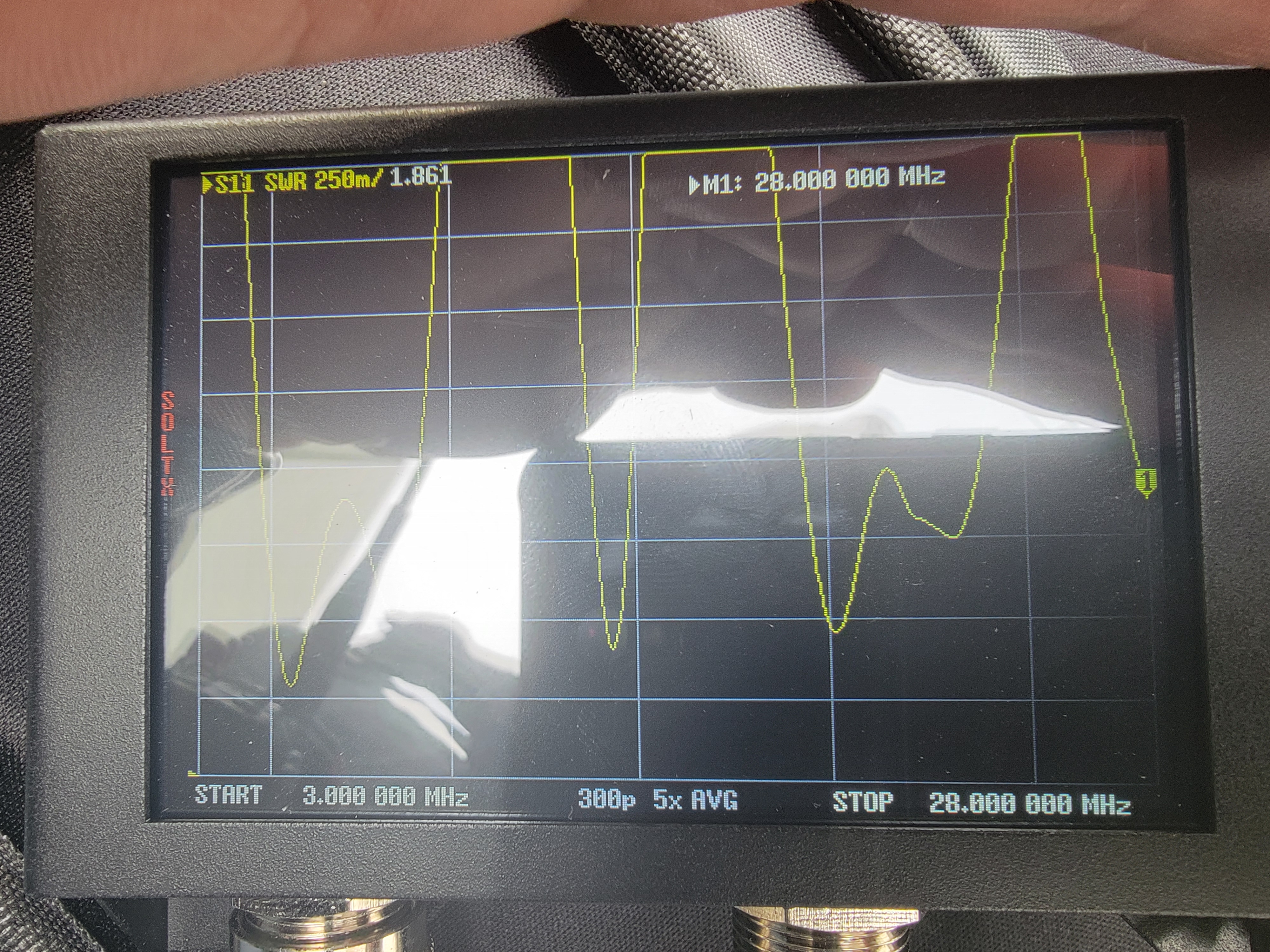
Attention then turned to the coaxial feedline, the vital conduit that transmits signals between the radio and the antenna. Hector and Mike worked methodically, troubleshooting the lines and ultimately replacing the problematic Coax #7 with Coax #9. Using their individual NanoVNAs—compact and powerful vector network analyzers—they conducted detailed plots of the antenna, with Hector stationed on the roof and Mike in the radio room. The two coordinated their efforts via simplex communication, demonstrating the synergy that has become a hallmark of the club’s projects.
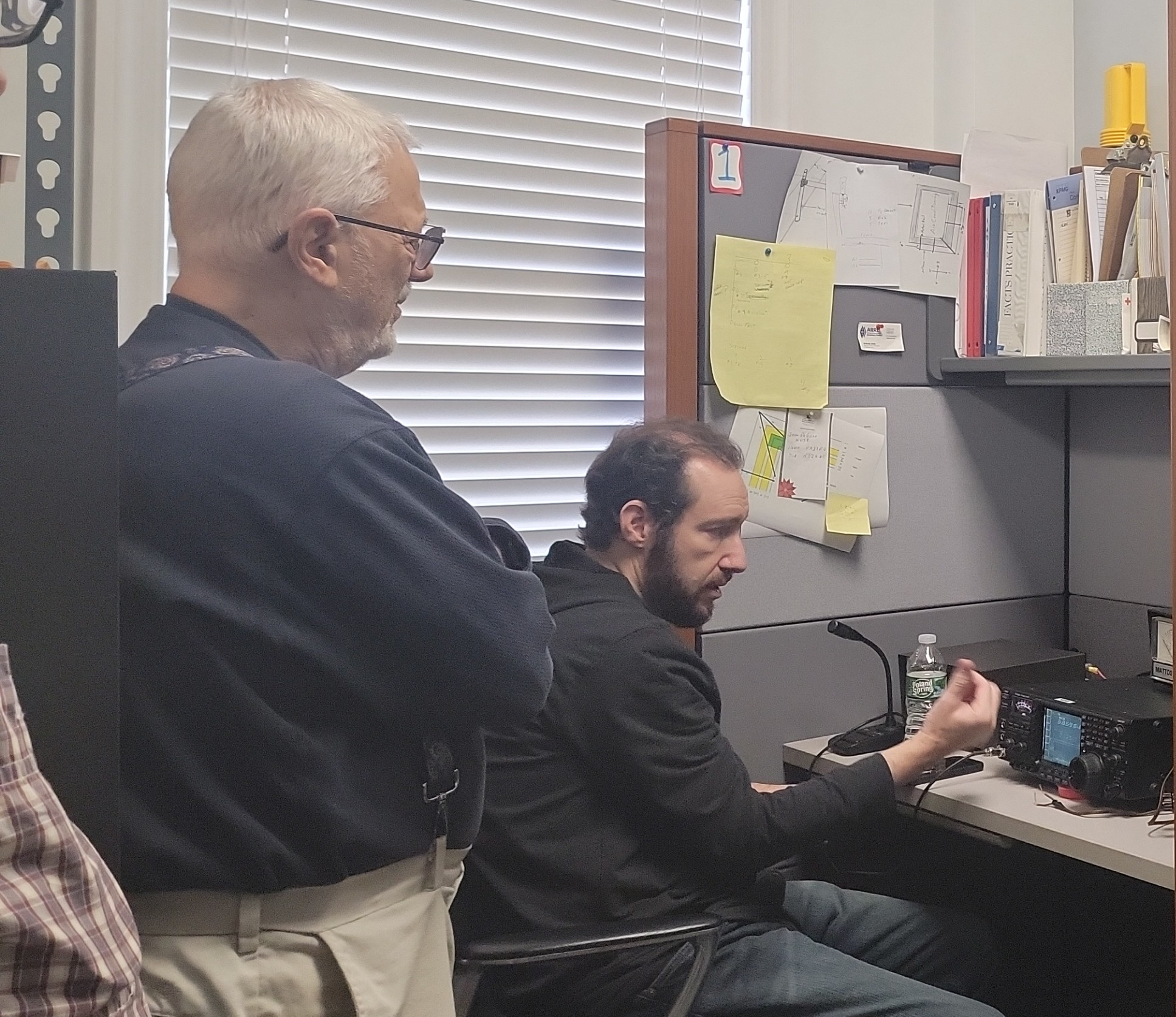
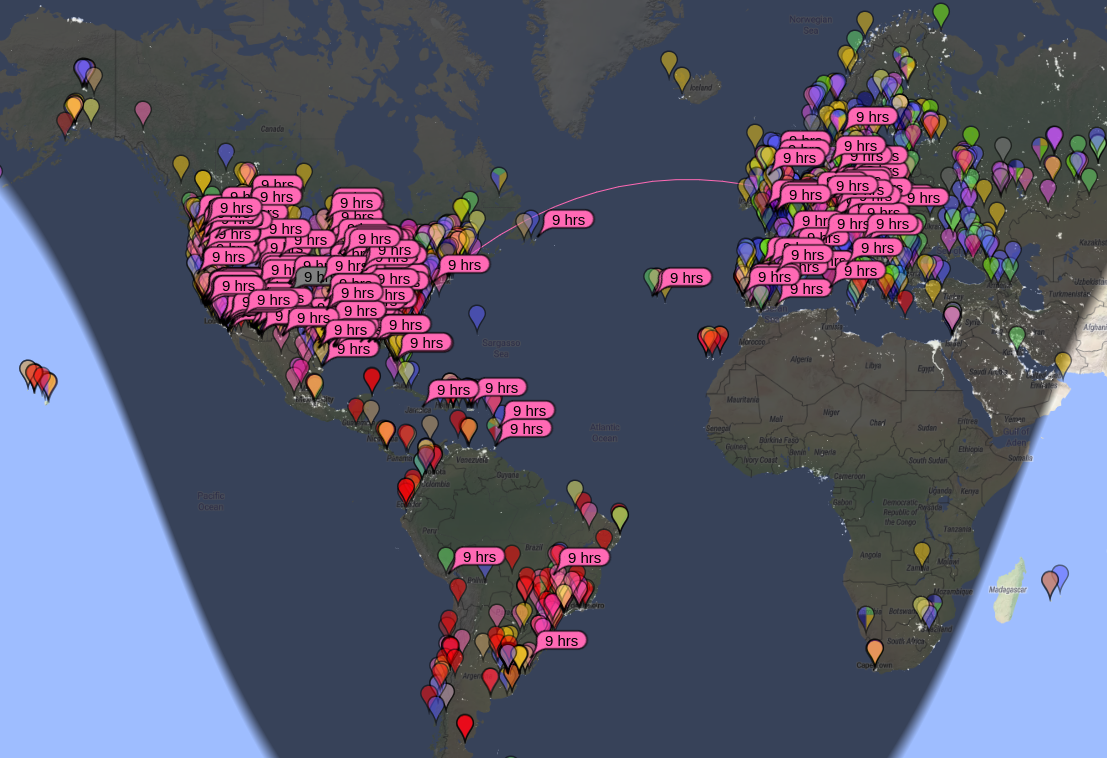
With the feedline issue resolved, the team connected the antenna to their flagship transceiver, the Icom IC-756PROII. The results were immediate and gratifying: clear, robust signals on the 10-meter band. Operating in SSB (single sideband) and FT8 (a digital communication mode), they logged several successful contacts, marking W2EF’s official return to the airwaves.
A notable observation came from Jerry, who pointed out that the antenna, a T2FD (tilted terminated folded dipole), displayed SWR and impedance characteristics that suggest it could connect directly to the Icom transceiver without the need for an external tuner. While the team opted to use a tuner for the day’s tests, this insight opens the door for further experimentation during their next visit.
By the end of the day, the team had not only restored the station but also laid the groundwork for future improvements. The revived W2EF station is now ready to serve as a hub for club activities, emergency communications, and ongoing exploration of the amateur radio spectrum.
“Our goal is always to learn, adapt, and grow,” said Mike, summarizing the day’s achievements. “Today wasn’t just about fixing equipment—it was about teamwork, innovation, and the spirit of amateur radio.”
As the clock neared 1 p.m., the team wrapped up their work, packed up their gear, and reflected on the morning’s accomplishments. The antenna repair and coaxial replacement marked a significant step forward, while the successful on-air operation confirmed the station’s readiness for future activities. With W2EF back on the air and a clear plan for follow-up testing, the members departed confident that their efforts had ensured the club station remains a reliable asset for amateur radio enthusiasts and community communication needs.
Jerry WB2GZL, Mike KC2NJ
Jerry & Mike review the performance of the new T2FD antenna with the Icom IC-756PROII


Leave a Reply